
PETALING JAYA: Sime Darby Property and CapitaMalls Asia Ltd have entered into a conditional agreement to form a 50:50 joint venture to develop a shopping mall on a freehold site in Taman Melawati, Kuala Lumpur, at a cost of about RM500mil.
The site had an area of about 242,000 sq ft and is the last sizeable plot of commercial land in the township, the companies said in a joint statement to Bursa Malaysia.
Both companies will develop the shopping mall with a total net lettable area of about 635,000 sq ft on the site. The mall is expected to be completed by 2016.
By The Star
Thursday, May 10, 2012

Malaysia's PNB seeks $1 bln loan for London property buys-Basis Point
KUALA LUMPUR (Reuters): Malaysian investment fund Permodalan Nasional Bhd (PNB) is seeking a 628 million pound (us$1.01 billion) five-year term loan to take out two six-month bridge loans for its shopping spree on three landmark London properties, a Thomson Reuters publication, Basis Point, reported on Thursday.
Basis point quoted sources as saying said PNB has been in talks with around seven banks, including Bank of Tokyo-Mitsubishi UFJ, Mizuho Corporate Bank , OCBC Bank, Scotiabank, Standard Chartered Bank, Sumitomo Mitsui Banking Corp and UOB to arrange the facilities.
The first bridge entailed a StanChart-led facility, which will back the 350 million pound purchase of Milton & Shire House on Silk Street, the current headquarters of law firm Linklaters, Basis Point added.
The Malaysian government-linked fund planned to borrow a 250 million pound loan to take out the bridge earlier this year, but it decided to get the larger-sized new loan after it went on to buy two more London properties, according to Basis Point.
PNB has bought three London office properties since the start of the year, two of which were acquired from German fund KanAm for about 570 million pounds.
By The Star
Basis point quoted sources as saying said PNB has been in talks with around seven banks, including Bank of Tokyo-Mitsubishi UFJ, Mizuho Corporate Bank , OCBC Bank, Scotiabank, Standard Chartered Bank, Sumitomo Mitsui Banking Corp and UOB to arrange the facilities.
The first bridge entailed a StanChart-led facility, which will back the 350 million pound purchase of Milton & Shire House on Silk Street, the current headquarters of law firm Linklaters, Basis Point added.
The Malaysian government-linked fund planned to borrow a 250 million pound loan to take out the bridge earlier this year, but it decided to get the larger-sized new loan after it went on to buy two more London properties, according to Basis Point.
PNB has bought three London office properties since the start of the year, two of which were acquired from German fund KanAm for about 570 million pounds.
By The Star
Wednesday, May 9, 2012
PKNS joins with DKLS for RM1.5bil project in Sec 17 PJ

PETALING JAYA: Not unlike a few other government agencies that own large swathes of valuable land, the Selangor State Development Corp, or PKNS, is pushing ahead with redevelopment plans in some of its prime areas.
A noteworthy development surfaced last Friday in a filing with Bursa Malaysia, where DKLS Industries Bhd said it had entered into a heads of agreement with PKNS to redevelop a parcel of land in Section 17, Petaling Jaya, measuring 6.4ha.
This area currently houses numerous blocks of old flats, including a green reserve for the area.
DKLS said the project would entail a mixed development comprising commercial, retail and residential units with a gross development value (GDV) of a whopping RM1.5bil.
The area concerned has been drawing a lot of interest lately, according to property consultants. It is next to the factory area, which is in the midst of a major redevelopment programme. That area has already transformed itself to become a mixed commercial and residential hub, anchored on the Jaya One development.
Jaya One is currently in its final phase of development with a GDV of RM360mil mainly for residential units, having already developed some RM600mil worth of commercial properties.
Besides Jaya One's planned serviced apartments, there are currently two other similar projects being planned for Section 13.
One is named Pacific Star (opposite Jaya One) developed by Island Circle Development (M) Sdn Bhd, which is a mixed development of commercial space and residential units on a 6.04-acre land. While further up the area, Fraser & Neave Holdings Bhd would be starting site works in September to develop a RM1.6bil mixed development project on 13 acres which is currently housing its factory.
PKNS declined to comment for this article and said it would provide updates once plans were more firm.
It is likely though that the project may have its fair bit of opposition, considering that the redevelopment encroaches on the green reserve located between Section 13 and Section 17, along Jalan Universiti. It is yet unknown if the new plans include preserving or enhancing that green area.
Although the state-owned corporation declined to comment, sources familiar with the situation said that PKNS was likely to engage the affected residents in a similar way that it did when it embarked on the redevelopment of the PKNS Taman Keramat flats in Jalan Jelatek in 2010.
Dubbed the 'Columbia Flats'' for its drug and vice dens during the 1980s, the flats are to be replaced with a RM900mil mixed-development project called Datum Jelatek.
The project comprising four 45-storey buildings of residential and commercial units, a hotel and shopping mall, would be developed by PKNS and its subsidiary company, Worldwide Holdings Bhd.
PKNS had compensated RM250,000 to RM300,000 for each house and RM450,000 to RM500,000 to business lot owners of the Taman Keramat flats.

The report said that residents of the 592 sq ft units would be given a 700 sq ft unit in the new development.
On top of that, there was also a proposal for a RM5,000 moving-out allowance, RM8,000 moving-back allowance as well as a rental subsidy of RM500 per month until the project is completed.
In addition to that, the leasehold period of the new development would be renewed to 99 years instead of 30 remaining on the existing titles.
Last year, PKNS had put the market value of the units at RM96,496 (592 sq ft at RM163 per sq ft) each.
If those plans materialise, it does seem as if the current flat owners would be getting a pretty good deal, considering that another up coming development named Pacific Star, which is located a stone's throw away, is selling for a far higher price.
PKNS is also embarking on several large-scale redevelopment projects, including the Sports City, Kelana Jaya, which is where the PKNS Stadium is located, via a joint development with Melati Ehsan Bhd.
It is also developing the PJ Sentral Garden City, a RM2.6bil joint-venture redevelopment with Nusa Gapurna and the Employees Provident Fund. Nusa Gapurna group is the same developer of the 348 Sentral project in Jalan Tun Sambanthan, Brickfields.
Another PKNS project in the pipeline is the PJ Elevated City, a RM3bil mixed-development project which is also part of the Western Digital factory expansion programme.
Industry sources said that with ownership in different key projects around Selangor, PKNS was likely to retain ownership of a few of the valuable properties to enable itself to venture into becoming a real estate investment trust (REIT).
Previously it had called off a proposed venture with AmanahRaya REIT (ARREIT) to inject some key assets into ARREIT. It is understood that PKNS changed its mind about the injection as it wanted to look at the other properties it was developing, as possible injections into a REIT.
Hence, it is likely that PKNS' REIT injection plans will resurface again at some point, judging from the many other strategically-located redevelopment and urban regeneration projects in the Klang Valley it is working on.
PKNS general manager Othman Omar is reported to have said that the state-owned corporation would be adding another RM6bil worth of new projects by the end of 2012, in addition to the RM14bil that was already announced.
By The Star
F&N sees revenue from property development in FY16
KUALA LUMPUR: Fraser & Neave Holdings Bhd (F&N) will start seeing a new revenue stream from property development come its financial year ending Sept 30, 2016, as it will be launching a RM1.6bil mixed development in its ex-dairy premises in Section 13, Petaling Jaya, in June 2013.
“Currently this 13-acre land houses F&N's dairies production plant. Site preparation works will begin this September, and will see a mixed development which consists of an F&N tower, a hotel, offices, retail outlets and residential suites by June 2013,” F&N chief executive officer Datuk Ng Jui Sia told a media briefing yesterday.
For F&N Dairies Malaysia, production of its new Pulau Indah facilities in Klang has just commenced, and the shift from its plant in Section 13 to Pulau Indah is expected to be completed by September.
F&N is partnering FCL Centrepoint Pte Ltd, a subsidiary of Frasers Centrepoint Ltd (FCL), to develop this ex-dairy premises.
FCL is one of Singapore's top three residential property developers and retail mall owners and operators. It has also developed properties and malls in the UK, Australia, New Zealand, Thailand, Vietnam and China.
F&N had divested 50% of its interest in this development land to FCL and recognised RM55mil in the quarter to March 31, 2012, being 50% of the capital gain of RM110mil.
Meanwhile, most analysts concurred that F&N's earnings would pick up in the second half, but many were still uncertain of its prospects. While the soft drinks segment is doing well, the dairies segment both in Malaysia and Thailand is still uncertain, driven by high raw material costs, and downside bias from its flood recovery.
“F&N is an extremely well-run company and I think they are doing the best they can. However, Malaysia is also a pretty matured market for dairy products. We don't expect to see huge growth in these segments. It will be stable in line with market at best,” said one consumer analyst.
F&N's second-quarter ended March 31 net profits declined by 18.89% to RM107.06mil from RM131.99mil in the previous corresponding period as revenue dropped to RM730.43mil from RM1.01bil previously.
It also declared an interim dividend of 20 sen, which will be paid on Aug 1.
Ng said the key declines came mainly from the cessation of the Coca-Cola business, the 200-day flood disruption in Thailand and higher raw material cost and competitive pressure in the Malaysian dairy operations.
Sales in Thailand dropped by half as production stoppage disrupted supply to the market. The Rojana factory in Thailand recommenced operations in March and ramped up to full capacity in April.
Dairies Thailand's factory was affected by floods, leading to a 52% slump in its first-half revenue to RM231mil. As a result of the lower sales volume, the factory could not cover its overheads, causing an operating loss of RM30mil.
“Even though we should see a stronger second half as Dairies Thailand resumed production in March, we cut forecasts to account for pricier raw materials,” said CIMB Research analyst Foong Wai Mun.
F&N made a cumulative write-off of RM89.44mil for the current two quarters. Interim property damage insurance claims based on current replacement cost accepted by insurers and recognised to date were RM80mil, of which the insurers had disbursed RM74mil in payments.
On a half-year basis, F&N's net profits dropped by 37.7% to RM148.8mil from RM239.07mil on the back of lower revenue, which declined to RM1.47bil from RM2.04bil previously.
F&N mitigated the loss of the Coca-Cola contract by raising its soft drinks revenue without Coca-Cola) by 8%, driven by higher sales of Seasons, Redbull and its new products (Zesta and Clearly Citrus).
Ng added that F&N was rethinking its fruit juice segment as it was also not growing.
“Revenue was also helped by market penetration into Brunei and contract packing for exports to its sister company in Singapore. However, operating profit margins fell 7.6% to 9.3% due to higher commodity prices, especially for sugar,” said Foong.
Meanwhile, Maybank analyst Kang Chun Ee said that until the shift to Pulau Indah, expected to be completed by September, F&N would continue to see rising operating costs as a result of a duplication in operations.
A deferred tax assets (DTA) of RM55mil in relation to the halal hub tax incentive was granted to the plant and the estimated balance of RM21mil in DTA would be recognised in the second half of this year, said Kang.
By The Star
“Currently this 13-acre land houses F&N's dairies production plant. Site preparation works will begin this September, and will see a mixed development which consists of an F&N tower, a hotel, offices, retail outlets and residential suites by June 2013,” F&N chief executive officer Datuk Ng Jui Sia told a media briefing yesterday.
For F&N Dairies Malaysia, production of its new Pulau Indah facilities in Klang has just commenced, and the shift from its plant in Section 13 to Pulau Indah is expected to be completed by September.
F&N is partnering FCL Centrepoint Pte Ltd, a subsidiary of Frasers Centrepoint Ltd (FCL), to develop this ex-dairy premises.
FCL is one of Singapore's top three residential property developers and retail mall owners and operators. It has also developed properties and malls in the UK, Australia, New Zealand, Thailand, Vietnam and China.
F&N had divested 50% of its interest in this development land to FCL and recognised RM55mil in the quarter to March 31, 2012, being 50% of the capital gain of RM110mil.
Meanwhile, most analysts concurred that F&N's earnings would pick up in the second half, but many were still uncertain of its prospects. While the soft drinks segment is doing well, the dairies segment both in Malaysia and Thailand is still uncertain, driven by high raw material costs, and downside bias from its flood recovery.
“F&N is an extremely well-run company and I think they are doing the best they can. However, Malaysia is also a pretty matured market for dairy products. We don't expect to see huge growth in these segments. It will be stable in line with market at best,” said one consumer analyst.
F&N's second-quarter ended March 31 net profits declined by 18.89% to RM107.06mil from RM131.99mil in the previous corresponding period as revenue dropped to RM730.43mil from RM1.01bil previously.
It also declared an interim dividend of 20 sen, which will be paid on Aug 1.
Ng said the key declines came mainly from the cessation of the Coca-Cola business, the 200-day flood disruption in Thailand and higher raw material cost and competitive pressure in the Malaysian dairy operations.
Sales in Thailand dropped by half as production stoppage disrupted supply to the market. The Rojana factory in Thailand recommenced operations in March and ramped up to full capacity in April.
Dairies Thailand's factory was affected by floods, leading to a 52% slump in its first-half revenue to RM231mil. As a result of the lower sales volume, the factory could not cover its overheads, causing an operating loss of RM30mil.
“Even though we should see a stronger second half as Dairies Thailand resumed production in March, we cut forecasts to account for pricier raw materials,” said CIMB Research analyst Foong Wai Mun.
F&N made a cumulative write-off of RM89.44mil for the current two quarters. Interim property damage insurance claims based on current replacement cost accepted by insurers and recognised to date were RM80mil, of which the insurers had disbursed RM74mil in payments.
On a half-year basis, F&N's net profits dropped by 37.7% to RM148.8mil from RM239.07mil on the back of lower revenue, which declined to RM1.47bil from RM2.04bil previously.
F&N mitigated the loss of the Coca-Cola contract by raising its soft drinks revenue without Coca-Cola) by 8%, driven by higher sales of Seasons, Redbull and its new products (Zesta and Clearly Citrus).
Ng added that F&N was rethinking its fruit juice segment as it was also not growing.
“Revenue was also helped by market penetration into Brunei and contract packing for exports to its sister company in Singapore. However, operating profit margins fell 7.6% to 9.3% due to higher commodity prices, especially for sugar,” said Foong.
Meanwhile, Maybank analyst Kang Chun Ee said that until the shift to Pulau Indah, expected to be completed by September, F&N would continue to see rising operating costs as a result of a duplication in operations.
A deferred tax assets (DTA) of RM55mil in relation to the halal hub tax incentive was granted to the plant and the estimated balance of RM21mil in DTA would be recognised in the second half of this year, said Kang.
By The Star
Suria plans landmark project in Sabah
KOTA KINABALU: Suria Capital Holdings Bhd's venture into property and development is now taking shape after securing 9.4ha here for a landmark project.
The group, which is involved in ports operations, bunkering services, construction and engineering, aims to have a mixed development there to complement Yayasan Sabah's proposed Sabah International Convention Centre (SICC) nearby.
Suria group chairman Tan Sri Ibrahim Menudin said it now has the land title after paying half of the RM142 million land premium.
"Before we begin the process to develop the land, the management is in discussion with some groups, which we hope to conclude before the next annual general meeting (AGM).
"This project located next to the Kota Kinabalu port and the upcoming SICC will be a new landmark in the state capital," Ibrahim said after the group's AGM at Sabah Ports Sdn Bhd office at Sapangar Bay Port here yesterday.
He said the project will involve a gross development value of RM1.8 billion, with construction spanning five to eight years.
"The mixed development will include two hotels where we are looking at 800 to 1,000 rooms, plus commercial, retail and residential lots," he added.
Ibrahim said besides the 5,000-capacity SICC, Yayasan Sabah reportedly will also build two hotels within the 10ha location.
"We are not involved in that but as of now, I think they are in the process of doing a traffic flow study there to avoid congestion."
Suria Group recorded RM276.01 million revenue last year, up eight per cent from RM254.97 million in 2010.
Its pre-tax profit dropped to RM74.35 million from RM 75.56 million previously.
By Business Times
The group, which is involved in ports operations, bunkering services, construction and engineering, aims to have a mixed development there to complement Yayasan Sabah's proposed Sabah International Convention Centre (SICC) nearby.
Suria group chairman Tan Sri Ibrahim Menudin said it now has the land title after paying half of the RM142 million land premium.
"Before we begin the process to develop the land, the management is in discussion with some groups, which we hope to conclude before the next annual general meeting (AGM).
"This project located next to the Kota Kinabalu port and the upcoming SICC will be a new landmark in the state capital," Ibrahim said after the group's AGM at Sabah Ports Sdn Bhd office at Sapangar Bay Port here yesterday.
He said the project will involve a gross development value of RM1.8 billion, with construction spanning five to eight years.
"The mixed development will include two hotels where we are looking at 800 to 1,000 rooms, plus commercial, retail and residential lots," he added.
Ibrahim said besides the 5,000-capacity SICC, Yayasan Sabah reportedly will also build two hotels within the 10ha location.
"We are not involved in that but as of now, I think they are in the process of doing a traffic flow study there to avoid congestion."
Suria Group recorded RM276.01 million revenue last year, up eight per cent from RM254.97 million in 2010.
Its pre-tax profit dropped to RM74.35 million from RM 75.56 million previously.
By Business Times
Six months free condo living in Lion City
SINGAPORE: A property developer is offering a family the chance to live for free for six months in a fully furnished condominium unit in Kovan.
But it is not really a marketing gimmick to whip up interest in Fiorenza, launched last year, as all but two of its 28 units have been sold.
Rather, it is a test bed of sorts for Koh Brothers, which hopes to gather useful feedback on “lifestyle living”, as opposed to just selling an unfurnished unit.
Touted as a “concept home”, the two-bedder has space-saving, tech-savvy furniture suitable for smaller homes.
Smart features in the fifth-floor unit include a dining table that converts into a coffee table, a foldable bed which can double as a study table, motorised sun shades and multi-room surround sound.
The successful family who will not be obliged to purchase the unit should be a family of three, including a child, and be able to give fair feedback and comments about their experience.
To apply, they will also have to submit a 100-word essay on why they deserve the “best experience in life”.
Utility bills will be paid by the developer but the family will have to bear costs such as cleaning the apartment.
The flat, fitted with everything from a washing machine to cutlery, measures 1,367 sq ft, of which nearly 500 sq ft make up the rooftop garden, leaving about 872 sq ft of indoor living space.
Units at Fiorenza have been sold at an average price of S$1,000 to S$1,100 per sq ft. The “concept home”, with all its furnishings, will cost some S$1.6mil; the unit alone costs about S$1.4mil.
Koh Brothers managing director and group chief executive Francis Koh said the idea for the “concept home” was conceived nine months ago.
“It's a passion for us, to improve the living conditions for the dweller ... so that they can experience what is ambience, nice avant-garde furniture, at the same time optimise the space,” he added.
He said the feedback he gathered would be used as tips for future developments.
By The Straits Times/Asia News Network
But it is not really a marketing gimmick to whip up interest in Fiorenza, launched last year, as all but two of its 28 units have been sold.
Rather, it is a test bed of sorts for Koh Brothers, which hopes to gather useful feedback on “lifestyle living”, as opposed to just selling an unfurnished unit.
Touted as a “concept home”, the two-bedder has space-saving, tech-savvy furniture suitable for smaller homes.
Smart features in the fifth-floor unit include a dining table that converts into a coffee table, a foldable bed which can double as a study table, motorised sun shades and multi-room surround sound.
The successful family who will not be obliged to purchase the unit should be a family of three, including a child, and be able to give fair feedback and comments about their experience.
To apply, they will also have to submit a 100-word essay on why they deserve the “best experience in life”.
Utility bills will be paid by the developer but the family will have to bear costs such as cleaning the apartment.
The flat, fitted with everything from a washing machine to cutlery, measures 1,367 sq ft, of which nearly 500 sq ft make up the rooftop garden, leaving about 872 sq ft of indoor living space.
Units at Fiorenza have been sold at an average price of S$1,000 to S$1,100 per sq ft. The “concept home”, with all its furnishings, will cost some S$1.6mil; the unit alone costs about S$1.4mil.
Koh Brothers managing director and group chief executive Francis Koh said the idea for the “concept home” was conceived nine months ago.
“It's a passion for us, to improve the living conditions for the dweller ... so that they can experience what is ambience, nice avant-garde furniture, at the same time optimise the space,” he added.
He said the feedback he gathered would be used as tips for future developments.
By The Straits Times/Asia News Network
Al-Hadharah REIT posts higher profit
KUALA LUMPUR: Al-Hadharah Boustead REIT has recorded a higher profit after tax of RM21 million for its first quarter ended March 31 2012, from RM20 million posted previously.
Its revenue improved to RM24.2 million compared with RM22.2 million previously, driven by higher fixed rental income.
Chairman Tan Sri Lodin Wok Kamaruddin said in a statement yesterday that the increased contribution from fixed rental income was due to the additional plantation assets that were acquired last year.
"We are confident of holding steady our earnings for the next three quarters.
"Given its unique positioning of being the only local Islamic plantation REIT, coupled with improving market conditions and steady demand for commodities, we believe our unitholders will benefit from their investment," he said.
By Bernama
Its revenue improved to RM24.2 million compared with RM22.2 million previously, driven by higher fixed rental income.
Chairman Tan Sri Lodin Wok Kamaruddin said in a statement yesterday that the increased contribution from fixed rental income was due to the additional plantation assets that were acquired last year.
"We are confident of holding steady our earnings for the next three quarters.
"Given its unique positioning of being the only local Islamic plantation REIT, coupled with improving market conditions and steady demand for commodities, we believe our unitholders will benefit from their investment," he said.
By Bernama
Tuesday, May 8, 2012
MRB eyes RM1.5bil project

PETALING JAYA: The Malaysian Rubber Board (MRB) is mulling an exercise to develop another piece of its land in Ampang, Kuala Lumpur, and at least four developers have expressed firm interest in the project, according to industry sources.
The sources added that the project would entail condominiums and office blocks with an estimated gross development value of some RM1.5bil.
The land is located on Lot 211 and Lot 25 in Ampang and is situated close to the Sommerset Apartments and the Nationwide Express building.
The four parties said to be interested in this project are Equine Capital Bhd, KUB Malaysia Bhd, Malaysian Resources Corp Bhd and Crest Builder Holdings Bhd.
Some sources believed that Equine, a company said to be linked to Malton Bhd's Datuk Desmond Lim Siew Choon, is a front runner to bag the joint-venture deal.
This comes shortly after sources had told StarBiz that MRB would be awarding a RM1.4bil development on 2.2ha in Jalan Ampang, to Crest Builder Bhd and its 49% joint-venture partner Detik Utuh Sdn Bhd.
“MRB is embarking on a strategy to monetise its landbank. It is not interested in outright purchases of its land as it is looking for a longer-term business model with recurring income,” said a source.
MRB's most high-profile landbank that will be tendered out soon is the development of the Rubber Research Institute Malaysia land measuring 1,215ha in Sungai Buloh, Selangor.
MRB's landbank includes Menara Getah Asli, which fronts the Petronas Twin Towers in Jalan Ampang, the Rubber Research Institute building in Jalan Ampang, and two others, one each in Jalan Stonor and Jalan Lidcol
Meanwhile, the question of ownership in Equine continues to elude investors since the resignation of its former chairman and controlling shareholder, Datuk Patrick Lim Soo Kit, in 2008. Patrick was said to have close ties with former premier Tun Abdullah Badawi.
Since Patrick's exit, the media has speculated numerous times that Equine was linked to the elusive Desmond.
Back in 2006, Equine was the darling stock when its 25% associate, Abad Naluri Sdn Bhd, won the mandate to redevelop the Penang Turf Club land into a RM20bil Penang Global City Centre project.
This project was, however, shelved by the state government under Pakatan Rakyat following the March 2008 general election.
In October 2008, Equine sold off its entire 25% stake in Abad Naluri to Kiara Ikhtisas Sdn Bhd for RM2mil. The media started speculating that Kiara Ikhtisas was linked to Desmond, who is also the major shareholder of Malton.
Desmond denied having any ties with the private concern.
Meanwhile, some of the high-profile projects developed by Malton include Pavilion KL and Fahrenhait 88, formerly KL Plaza.
Desmond caused quite a stir on the local property scene back in 2010 when it paid an unbelievable RM7,209 per sq ft for a piece of land in Jalan Bukit Bintang. While the deal attracted lots of criticism, some also said it was possible that he was looking to integrate that parcel of land with Pavilion KL.
By The Star
Monday, May 7, 2012
Crest Builder JV to develop MRB’s RM1.4bil project in KL

For the open tender of this land, request for proposals started last June. Various proposals had been submitted by property players which included those from SP Setia Bhd and Naza TTDI Bhd.
“Many developers were looking to purchase of the land but MRB declined to sell it as it was looking for a longer term business model with recurring income,” said a source.
The land, also known as Lot 76 is opposite the Great Eastern Mall and would be developed over seven years. The development cost would be borne by the Crest Builder and Detik Utuh JV.
MRB, as the landowner would receive 22.5% of the project's gross development value (GDV) for land rights, which translates into about RM300mil.
The development would include four towers which consist of one office block, two SoFo' (small office, flexi office), and an apartment block atop a retail mall.
This development strategy is similar to the RM1.04bil tower atop the Dang Wangi light rail transit station contract which was also recently secured by Crest Builder and Detik Utuh.
Tendered out by Syarikat Prasarana Negara Bhd, that project consisted of a mixed development fronting Jalan Ampang where Prasarana would receive 21.2% or RM220mil of the project's GDV as payment of land rights.
While Crest Builder is better known as a contractor, it is starting to shift its focus to become a property developer. It currently has a construction orderbook of some RM950mil and unbilled property sales orderbook of RM300mil.
With the MRB land and the Dang Wangi project, this would bring its unbilled property orderbook to over RM2.5bil. Some of its previous construction jobs for other developers included Menara Binjai in Kuala Lumpur, North Shore Gardens in Desa Park City, Kepong, and Twins Damansara in Jalan Semantan, Kuala Lumpur. Last Thursday, Crest Builder Holdings Bhd managing director Yong Soon Chow saw his indirect shareholding in the company reduced following the disposal of five million shares or a 4.029% stake.
A filing with Bursa Malaysia showed the shares were disposed at 82 sen each for RM4.10mil. He is deemed interested in the transaction where the shares were disposed of by Yong Tiok Chin.
It appeared that the shares were sold to strategic investors that were acting in concert with Crest Builder.
MRB is embarking on a strategy to monetise its landbank. Its most high profile landbank that would be tendered out soon is the development of the Rubber Research Institute Malaysia land measuring 1,215ha in Sungai Buloh, Selangor.
MRB's landbank include Menara Getah Asli which fronts the Petronas Twin Towers in Jalan Ampang, the Rubber Research Institute building in Jalan Ampang, and two others, one each in Jalan Stonor and Jalan Lidcol.
By The Star
Sentoria plans RM1.5bil projects

PETALING JAYA: Sentoria Group Bhd expects to launch projects with a total gross development value (GDV) of RM1.5bil within the next eight years.
Public and investor relations head Nasiruddin Nasrun said the projects would be located in Selangor and within the company's Bukit Gambang Resort City (BGRC) development in Kuantan, Pahang.
“About RM113.8mil will be for property projects in Kuantan and Selangor, while the balance RM1.4bil will be allocated for BGRC-related developments such as additional hotel rooms and suites and retail outlets to add to its vibrancy,” he told StarBiz in an e-mail.
“Going forward, Sentoria plans to launch projects with a GDV of about RM1.5bil, which indicates that the property segment will continue to be a significant revenue generator,” Nasiruddin added.
Sentoria currently has three ongoing projects within BGRC and three other developments in different locations.
The projects at BGRC are its Arabian Bay Resort (comprising penthouses as well as resort and hotel suites), Global Heritage South (double-storey villas and hotel suites) and Desa Hijauan (single-storey terrace and semi-detached homes).
Its other projects are Taman Indera Sempurna 2 (comprising single-storey terrace homes, semi-detached houses and bungalows), Fasa Bunga Raya (double-storey terrace houses) and Taman Bukit Rangin (single-storey terrace and semi-detached homes).
“Part of Sentoria's masterplan is to further develop other accommodation and commercial centres in BGRC to accommodate even larger patronage,” he said, adding that the future BGRC-related projects were targeted for completion in 2018.
“As our land bank is primarily within the vicinity of Kuantan, Sentoria has developed affordable housing that fulfil the demand from the mass and middle-income groups.”
Sentoria also has a number of completed projects Taman Sentoria, Taman Indera Sempurna 1, and Caribbean Bay Resort in BGRC.
As for developing projects beyond Kuantan, Nasiruddin said Sentoria was “constantly exploring new pockets of growth”.
“We have embarked on a few small property projects in Negri Sembilan and Selangor but hope to secure a major breakthrough in the Klang Valley in the future,'' he added.
According to him, Sentoria's property division contributed RM114mil or 70.2% of total revenue in its financial year ended Sept 31, 2011. The remaining 29.8% or RM48.4mil was contributed by its leisure and hospitality division.
“At the moment, Sentoria has land bank of 953.9 acres with a total GDV of RM2.2bil that would keep the group busy till 2020.
“This includes the balance of more than 200 acres in BGRC that has been allocated for further development into additional theme parks, accommodation options and commercial interests,” said Nasiruddin.
He said Sentoria was optimistic about the outlook of its leisure and hospitality division.
“This is in light of our masterplan for BGRC, which include building additional three theme parks Bukit Gambang Safari Park, Marine Park and Adventure Park to attract more patrons in the coming years,” he said.
By The Star
Challenging young architects
Young architects practising in Malaysia will have the chance to win the inaugural LYSAGHT® Malaysia Young Architect Award which aims to develop architectural talent in the country.
Organised by BlueScope Lysaght Sdn Bhd, a manufacturer and supplier of steel products for the building industry, the competition is aimed at promoting excellence in architectural design. It is open to all architects practising in Malaysia. Even non-members of the Malaysian Institute of Architects (PAM) can participate.
The competition is open to participants, aged 35 years and below, and who are currently employed in an architectural firm or engaged by a property developer.
“BlueScope Lysaght has an unrivalled heritage promoting architectural design excellence in Malaysia for the past 45 years, and is committed to reaching out to young, up-and-coming architects,” said company president Heon Chee Syhong, when launching the competition recently.
The event encourages young architects to take the opportunity to gain exposure and share their best ideas and designs, and contribute to the field of architecture in Malaysia.
The objective of the competition is focused on cultivating creative minds and promoting industry excellence by recognising innovative works of young professionals in the architectural sphere.
Based on the project overview, participants will be judged on:
- a building’s relationship to its site and context (10%)
- expression of concept (15%)
- environmental performance (15%)
- creative application of steel material (20%)
- contribution to architectural development (15%)
- organisation of internal plus external space and functions (15%)
- the design statement (10%)
The grand prize winner will receive RM20,000 cash, the trophy and an opportunity to establish his or her name in the building industry.
Top Choice
In addition, the entry which gets the most votes will receive the Top Choice award and RM5,000 cash. Participation is based on the most number of public votes received by an entry through the award’s online channels such as website and Facebook page.
“While there are already a few architectural awards in Malaysia, the LYSAGHT® Malaysia Young Architect Award is the only award that is dedicated to develop young architectural talents in Malaysia. As architects in Malaysia aspire to compete for international assignments, the exposure gained from their participation will certainly boost any young architect’s profile and portfolio. And the award’s online channels will elevate the exposure to a global scale,” said Heon.
The judging panel include Ar. Tone Wheeler and Siritip Harntaweewongsa. Wheeler is an author, educator, consultant and active in sustainability policies. Harntaweewongsa, co-founder of a green design and consulting firm, specialises in green design strategies based on environmental analysis.
For details, visit http://www.myaa.com.my/ or search for “Lysaght Malaysia Young Architect Award” on Facebook. Entries should be submitted by Sept 30 and the winners will be announced at an awards ceremony in Oct.
By The Star
Organised by BlueScope Lysaght Sdn Bhd, a manufacturer and supplier of steel products for the building industry, the competition is aimed at promoting excellence in architectural design. It is open to all architects practising in Malaysia. Even non-members of the Malaysian Institute of Architects (PAM) can participate.
The competition is open to participants, aged 35 years and below, and who are currently employed in an architectural firm or engaged by a property developer.
“BlueScope Lysaght has an unrivalled heritage promoting architectural design excellence in Malaysia for the past 45 years, and is committed to reaching out to young, up-and-coming architects,” said company president Heon Chee Syhong, when launching the competition recently.
The event encourages young architects to take the opportunity to gain exposure and share their best ideas and designs, and contribute to the field of architecture in Malaysia.
The objective of the competition is focused on cultivating creative minds and promoting industry excellence by recognising innovative works of young professionals in the architectural sphere.
Based on the project overview, participants will be judged on:
- a building’s relationship to its site and context (10%)
- expression of concept (15%)
- environmental performance (15%)
- creative application of steel material (20%)
- contribution to architectural development (15%)
- organisation of internal plus external space and functions (15%)
- the design statement (10%)
The grand prize winner will receive RM20,000 cash, the trophy and an opportunity to establish his or her name in the building industry.
Top Choice
In addition, the entry which gets the most votes will receive the Top Choice award and RM5,000 cash. Participation is based on the most number of public votes received by an entry through the award’s online channels such as website and Facebook page.
“While there are already a few architectural awards in Malaysia, the LYSAGHT® Malaysia Young Architect Award is the only award that is dedicated to develop young architectural talents in Malaysia. As architects in Malaysia aspire to compete for international assignments, the exposure gained from their participation will certainly boost any young architect’s profile and portfolio. And the award’s online channels will elevate the exposure to a global scale,” said Heon.
The judging panel include Ar. Tone Wheeler and Siritip Harntaweewongsa. Wheeler is an author, educator, consultant and active in sustainability policies. Harntaweewongsa, co-founder of a green design and consulting firm, specialises in green design strategies based on environmental analysis.
For details, visit http://www.myaa.com.my/ or search for “Lysaght Malaysia Young Architect Award” on Facebook. Entries should be submitted by Sept 30 and the winners will be announced at an awards ceremony in Oct.
By The Star
Pavilion REIT posts RM47.8m Q1 pre-tax profit
Pavilion Real Estate Investment Trust (REIT) posted a pre-tax profit of RM47.8 million on a revenue of RM85.3 million for the first quarter ended March 31, 2012.
The group, which was listed on the Main Market of Bursa Malaysia on December 7 last year, is managed by Pavilion REIT Management Sdn Bhd.
In a filing to Bursa Malaysia, the manager said 2012 would be a successful year for the group.
"Barring any unforeseen circumstances, we expect Pavilion REIT to meet the year's projected distribution per unit of 5.73 sen, as disclosed in the prospectus," it said.
By Bernama
The group, which was listed on the Main Market of Bursa Malaysia on December 7 last year, is managed by Pavilion REIT Management Sdn Bhd.
In a filing to Bursa Malaysia, the manager said 2012 would be a successful year for the group.
"Barring any unforeseen circumstances, we expect Pavilion REIT to meet the year's projected distribution per unit of 5.73 sen, as disclosed in the prospectus," it said.
By Bernama
Medical tourism: Langkawi needs a shot in the arm
MALAYSIA is promoting itself as a top tourist destination as well as a medical tourism hub.
Every hotel operator wants a presence in Langkawi, yet not a single private hospital operator wants to be there.
The Langkawi Development Authority (Lada) has even designated land in Langkawi to accommodate a private hospital and wellness facility. But, to date, there are no takers.
Private hospital operators have stayed away from Langkawi for reasons ranging from lack of demand, difficulty in placing specialists on the island, to talks that the existing government hospital is under-utilised.
Langkawi received 2.8 million tourists in 2011 with the numbers projected to touch 3 million in 2015. Tourism receipts are expected to double to RM3.8 billion in 2015 from RM1.9 billion in 2010.
Langkawi plans to bring in high-yield tourists from countries like the UK, Australia and Saudi Arabia. It wants to increase the average length of stay to 7.4 days from 2.1 days (in 2010) and to double average daily spend by 2015.
Are these future figures attractive enough to lure investors to open a medical centre?
The opening of a private hospital would immediately cater to tourists who may need medical care while on vacation and employees on the island whose package include private hospital care.
As it stands, patients seek treatment at the nearest private hospital - which happens to be in Penang.
However, Lada's chief executive officer Tan Sri Khalid Ramli has started to promote the island as a suitable venue for medical tourism and rehabilitation. It has even started to invite international investors for this purpose.
Perhaps, the investors' view is the island just doesn't need a full-fledged hospital.
If this can't work, surely there are ways around it.
Why not start a specialist centre with just ambulatory care or a boutique medical centre which also offers aesthetics and plastic surgery?
Surely, cosmetic surgery packages in Langkawi would be a great holiday lure.
If indeed the government hospital in Langkawi is vast, would creating a private wing within the existing hospital work?
Then there is state-owned Khazanah Nasional Bhd which is opening hotels in Langkawi. Since Khazanah is a catalyst in many initiatives where the private sector is reluctant to take the lead and with it owning the prestigious Parkway Pantai hospital chain, maybe it can be the first mover.
Unlike previously, there are tax incentives for medical centres registered with the Malaysia Healthcare Travel Council (MHTC). MHTC is the primary agency set up to develop and promote health tourism.
Those registered get investment tax allowance of 100 per cent on the qualifying capital expenditure incurred within a period of five years from 2010. Private hospitals can also get double tax deduction for expenses in obtaining accreditation.
Langkawi is a duty-free island. A few additional tax incentives might help bring in the players and removal of personal income taxes for doctors and specialists may tempt them to work on the Island of Le-gends.
By Business Times
Every hotel operator wants a presence in Langkawi, yet not a single private hospital operator wants to be there.
The Langkawi Development Authority (Lada) has even designated land in Langkawi to accommodate a private hospital and wellness facility. But, to date, there are no takers.
Private hospital operators have stayed away from Langkawi for reasons ranging from lack of demand, difficulty in placing specialists on the island, to talks that the existing government hospital is under-utilised.
Langkawi received 2.8 million tourists in 2011 with the numbers projected to touch 3 million in 2015. Tourism receipts are expected to double to RM3.8 billion in 2015 from RM1.9 billion in 2010.
Langkawi plans to bring in high-yield tourists from countries like the UK, Australia and Saudi Arabia. It wants to increase the average length of stay to 7.4 days from 2.1 days (in 2010) and to double average daily spend by 2015.
Are these future figures attractive enough to lure investors to open a medical centre?
The opening of a private hospital would immediately cater to tourists who may need medical care while on vacation and employees on the island whose package include private hospital care.
As it stands, patients seek treatment at the nearest private hospital - which happens to be in Penang.
However, Lada's chief executive officer Tan Sri Khalid Ramli has started to promote the island as a suitable venue for medical tourism and rehabilitation. It has even started to invite international investors for this purpose.
Perhaps, the investors' view is the island just doesn't need a full-fledged hospital.
If this can't work, surely there are ways around it.
Why not start a specialist centre with just ambulatory care or a boutique medical centre which also offers aesthetics and plastic surgery?
Surely, cosmetic surgery packages in Langkawi would be a great holiday lure.
If indeed the government hospital in Langkawi is vast, would creating a private wing within the existing hospital work?
Then there is state-owned Khazanah Nasional Bhd which is opening hotels in Langkawi. Since Khazanah is a catalyst in many initiatives where the private sector is reluctant to take the lead and with it owning the prestigious Parkway Pantai hospital chain, maybe it can be the first mover.
Unlike previously, there are tax incentives for medical centres registered with the Malaysia Healthcare Travel Council (MHTC). MHTC is the primary agency set up to develop and promote health tourism.
Those registered get investment tax allowance of 100 per cent on the qualifying capital expenditure incurred within a period of five years from 2010. Private hospitals can also get double tax deduction for expenses in obtaining accreditation.
Langkawi is a duty-free island. A few additional tax incentives might help bring in the players and removal of personal income taxes for doctors and specialists may tempt them to work on the Island of Le-gends.
By Business Times
Saturday, May 5, 2012
Where is the market heading?

As one scans through the classified advertisements, a bungalow in Sg Long, Cheras, about 20km from the city centre, is advertised for RM3mil. In Kepong, Kuala Lumpur, terraced housing with built-ups of between 5,000 sq ft and 6,000 sq ft, which is about the size of semi-detached units, in a gated and guarded community were sold for between RM3mil and RM4mil. Corner units are priced about RM5mil.
In the high-rise residential sector, the situation is the same. The prices in the same gated and guarded environment is advertised at RM650 per sq ft. In Ara Damansara, a new project is priced at RM700 per sq ft. On a per sq ft basis, the prices of new properties located in the peripherals are creeping up to match the prices in older and sought-after locations like Bangsar and Damansara Heights, one of the most upmarket residential areas in Kuala Lumpur.
The above situation may be the answer why sales of new launches are a bit slow today, as some developers have discovered as they take their launches to the market. This is particularly so for those offering high-end residential category, both landed and high-rise.
Property professionals say there are a couple of reasons for this wait-and-see attitude by buyers.

Valuer and property manager Datuk Mani Usilappan of Mani Usilappan Chartered Surveyors says buyers are still digesting the hefty price rise of the last couple of years.
But while that is still going on, something else is happening and that is the pricing of today's new launches, says Mani in a telephone interview.
“I can understand why prices in Bangsar are between RM700 and RM800 per sq ft, I don't have the answer why prices in the peripherals are RM600 per sq ft and above. I want to know, and I am sure others also want to know. We have never come across the situation that we are in today, and we, as valuers, also want to know the answer,” he says.
He says many of today's new launches are way above the secondary market. The price of new launches today should be closely linked to the secondary market in that area.
“The prices of new launches are to have a close relationship with the secondary market. But today, the primary market prices seem to be higher and the secondary market seems to be moving lower.”
He says in Kajang, a new double-storey is priced between RM400,000 and RM500,000 while the older units are less than RM400,000. “The house may be new, but why would anyone want to buy something off plan at that price when he can buy something priced lower and which is already built?”
This may be the reason why people are taking a longer time to decide whether to buy or not. And when they do buy, it is because they need a house in that location to stay. For those who are buying to rent, he does not think the rental will justify the price. Mani, however, adds that there are quite a number of people who are looking for capital gains, and no longer at yields, and may still buy.
A property consultant who declined to be named says when prices of new properties in the peripherals creep up to match the pricing in Bangsar and Damanasara Heights, buyers who have that kind of money have a lot more choices.
“Once you hit that line and above, developers, or sellers in the secondary market, are creeping into somebody else's market that is better located and is more prestigious.
“A developer may be offering a new house but why would anyone who have that sort of money want to drive through hundreds of condominiums to get to his bungalow? It may be a new house, but to people who have that kind of money, new is not an important factor. The most important factor is still location,” he says.
He says there are pockets of bungalows which are RM3mil and RM5mil and located far away from the city centre and he finds such pricing incomprehensible despite the house being new or beautifully renovated.
On developers who justify their pricing because of the guarded and guarded features, he says this is a concept being sold today, but the over-riding factor is still location.
“A guarded and guarded community may have a 20% to 30% premium, but it will still open up the minds and choices of potential buyers, that he now have a choice in Bangsar or Damansara Heights. The basis of pricing depends on location, not concept,” he says.
“Once you hit RM3mil to RM4mil in some peripheral locations, you (be it the seller or developer) are in trouble, as banks will not support such valuations.”
He says there is a clear profile between the buyers of these new expensive locations versus the established locations the likes of Bangsar, Damansara Heights and Bukit Tunku (Kenny Hills).
“The buyers are young and most of these newer locations do not have a history. They tend to take huge loans compared with buyers in Damansara Heights and Bangsar who are older, and who opt for smaller loans,” he says.
On the slow sales even in the secondary markets like Bangsar and Damansara Heights today, he says the market is saturated. Traditionally, locations like Damansara Heights, Bukit Tunku and Mont' Kiara are the preferred choices of the expatriate community but many of them have left. Coupled with that are the new pockets of developments in these upmarket areas as well as new ones in KL Sentral.
“Bangsar, KL Sentral and Damansara Heights are all within close vicinity of each other. The properties launched in KL Sentral may be different but it is still properties. There are just too many new developments being launched today, and there are only so many young people in town to take up these new launches as well as the older ones,” he says.
He reckons the same situation is happening in Cheras, where new units are priced higher than older ones. A semi-detached is priced at RM1.5mil to RM2mil, the reasoning is that a bungalow should be between RM3mil and RM4mil.
“The sellers do not realise that when they hit a certain price tag, the choice opens up and the potential buyer will think at that price, he may as well live in Bangsar or Damansara Heights.

Property consultant C H Williams Talhar & Wong MD Foo Gee Jen says the cautious attitude of buyers are reflected in some ways by the developers themselves.
“If you look at launches of high-end landed properties, these are few and far between. The number of units released are also small, maybe between 50 and 80 units. It would be commendable if they are able to sell 50 % of them,” says Foo.
He says in the high-end high-rise residential sector, there is an oversupply which explains why buyers can afford to look around. If you look at the past six to nine months, there is a trend that the sales is weakening. The seller who is asking for RM1mil is now asking for RM900,000.
“Six to nine months ago, it was the reverse, sellers were pushing prices up. In some locations, the price of new launches are higher than the existing properties.
“People are beginning to ask: why do I need to buy something off the plan when the ready units are almost at the same price as the new launches?”
He concludes: “Buyers have become more educated and cautious.”
He says the this situation of slowing sales is not helped by tenants moving from the older condominiums to new ones at the same rates of rental as this creates quite a bit of vacancy and bring down the yield, he says. The price of a house depends on the yield and household income.
Another reason for the slower sales is financing as banks lend according to valuation and these valuations may not be according to market rate, says an agent who declined to be quoted.
As to the direction of the housing market, all of them say buyers will wait for the election if their intention is to invest.
By The Star
Priming, pricing KL property for future

The debate on the RM1mil price tag for foreign buyers is only relevant in the capital city of Kuala Lumpur and some of the more affluent Selangor neighbourhoods, parts of Penang and small parts of Iskandar. The rest of the country is pretty much stuck in the RM300,000 RM600,000 category.
The current unhappiness expressed by Malaysian house buyers however, are not those in the lower income bracket as there is an overhang of property in the lower price range. It has to do with the middle-income earners who would like to buy a house in a good location for less than RM1mil. The availability of prime residential land within KL is declining very rapidly and there has been an increase in conversion from residential to commercial. As KL becomes more commercially vibrant, this trend will continue. As a consequence, the price of land within the central part of KL is rising. Land owners are acutely aware of this and are profiting from the few available pieces of land in the city as developers bid for these scarce resources.
In the case of Johor, foreign property owners are mainly from Singapore. This is no surprise since the largest diaspora of Malaysians are Singaporeans. Given the proximity, close investments and business ties Malaysia has with Singapore, Singaporeans are the biggest real estate investors in Malaysia and vice versa.
On top of the rising cost of land, construction material and labour costs have been rising. Building material cost in KL increased by +50% since 2002. Developers try to sustain profit margins by raising prices of new launches and testing new grounds for affordability. Should demand be weak, new launches will be re-priced to ensure take-up. Very often, incomplete sales of high-end condominiums which are the less desirable to locals in terms of feng shui, etc are being marketed to foreigners. To raise the value of their projects, developers also add in features to make the development more eco-friendly.
More city housing
Greater KL is embarking on a path to increase its population from 6 million to 10 million by 2020. To ensure a smooth transition, Malaysia could learn from Singapore's experience which increased its population from 4.0 million to 5.2 million in 2011 in just a decade. One of the solutions that Singapore sought was to provide high density mass housing that replicates American skyscraper development. Built at densities of 6000 or more persons per sq km, a growing number of new public housing stock is more than 12 storeys. Under directions of upgrading and density intensification, old low-rise blocks in mature public housing estates are being demolished to make way for new taller developments. The latter ranging from 25 to 50 storeys is developed at higher plot ratios.
Approximately 85% of Singapore's 3.4 million resident population has moved to reside in public housing. While there are fears that high density housing reduces privacy in Singapore, this social loss is balanced with high levels of security that is easier to implement in dense cities, which has a higher-skilled workforce and an educated public that contributes actively to crime prevention. Also, point blocks release more land at ground level for gardens and Singapore has a zero car park policy.
What will the impact of a RM1mil limit on foreigners be?
n It could curb rising house prices that are targeted at foreigners but may not curb the demand from locals. In addition, there are unintended consequences on the business climate if foreign-investor sentiment is affected by random changes in policies.
n Whether it will push developers to sell prices below RM1mil will depend on the cost of their land purchase, the plot ratio, construction and labour costs.
n Those assets that are selling at slightly below RM1mil may rebrand themselves, above RM1mil to say that they are now targeting the foreign market.

Before implementing any drastic changes to curb foreign investment purchases, it is important to ascertain the contributory factors leading to price increases in KL. Malaysia can learn lessons from policy makers in other cities that have successfully grappled with rising city migrants within a short duration. For instance, Malaysia could consult the Singapore Housing Board and policy makers on how they have attempted to plan for the increase in expatriate population. With the proposed solutions, a public-private dialogue can be set up between developers, state housing agencies, Invest KL, Talent Corp, consumer bodies, both local and foreign, to look for long lasting solutions.
The dialogue should lead to a shared solution, which ensures future supply of mid-priced condominiums in the city. For instance, through a consultative approach, the government can give a higher plot ratio to help increase the margin of the developers and make it worth their while to target domestic buyers in the land-scarce city.
Striking a balance
At the same time, the Government can allow developers who have contributed to building mid-range products in the city to sustain their business operations by allowing the liberalisation of foreign ownership in the city ie have no Bumiputra content and no limitation on the sale of units to foreigners. Developers could then target entire projects in the city for foreign direct investment (FDI) and not exclude locals from paying the premium price for the asset. In other words, a 2-part structure like Singapore and Hong Kong.
To continue to attract FDI, which is critical for job-creation within KL, Malaysia can adopt the Dubai model, a very simple but effective model. Anyone can open an office in Dubai or buy a Dubai asset. Within a set boundary, work permits are given on demand and business registrations are on a one-day basis. You have to have your office in a designated area but you can live anywhere in Dubai.
What if we designated the Federal Territory of KL as a liberal international property investment zone. We can carve out parts that cannot be touched for FDI like Kampung Bahru. The opening of an Investment Zone could be similar to KLIFD, which is still a decade away from fruition. It should be for the whole of KL City Centre say a 10 km radius from KLCC as most of KL is in private sector hands.
It will certainly give a boost to our Invest KL and Talent Corp as Malaysia is walking the talk and is inclusive of everybody in the city of KL. It fits in with the 1Malaysia plan, liberalising KL to form an Asean Financial Centre.
More developed nations and some of the middle-income countries have been able to balance between development and using FDI to make better options for their people.
There are several possible ways of making housing more affordable. However, it is important to examine the consequences of taking such action. For instance, a house price control in the city may stop developers from building within the city. Other alternatives to explore could include, a housing trust that can be set up to acquire a land parcel through purchase, foreclosure, or donation. The trust arranges for a housing unit to be built on the parcel, then sells the building but retains ownership of the land beneath. The new homeowner leases the land for a nominal sum, generally for 99 years or until the house is resold.
This model keeps housing affordable for future buyers by controlling the resale price of houses on Community Land Trust (CLT) through a ground lease and resale formula. The CLT keeps the property affordable in perpetuity by restricting the profit buyers are able to take when they sell the house.

Up to March this year, Malaysian pension funds have spent US$2.4bil purchasing London property assets. That's RM7.3bil. Was there are any concern from the British press? Or the government? Actually they welcomed sovereign wealth funds coming into the country as they are seen to be passive investors. Why have western sovereign funds not bought passive assets in Malaysia? What has London got that we don't have. The answer stares at us in our face. It's a total lack of government control on who buys what in London. They understand that you can't take the buildings away. So they can happily enjoy the taxes they get from the funds.
Canary Wharf which is London's newest financial district has 100 countries fighting to have a share of it everyday. The UK government does not interfere in property transactions. Only collects the taxes and fees that comes with it. London has seen waves of investment from the 70s with the Japanese, Korean, Arab, Russian and now the Asian wave. The city is open to all investors and builders. It is now an international city.
The people of London have seen their salaries and fortunes grow as they participate and learn from the legions of investors that have occupied London over the past few decades. There is recession in UK but not in London.
We need to make Kuala Lumpur the city of choice to live, work and grow for Asean investors.
Kumar Tharmalingam is the CEO of MPI. MPI is a public-private initiative set up by the EPU to promote and facilitate foreign investment in Malaysian real estate. MPI raises Malaysia's profile in the international investment radar through constantly updating foreign investors on Malaysia and real estate information.
By The Star (by Kumar Tharmalingam)
LBS and China’s JDCL drafting joint project layout plans

KUALA LUMPUR: LBS Bina Group Bhd's partnership with China state-owned company Jiuzhou Development Co Ltd (JDCL) is progressing well with layout plans being drafted and likely to be approved by the China government within three months.
According to a source, JDCL has paid up 200 million yuan for the land held by Dragon Hill Corp Ltd and both LBS and JDCL are preparing the development layout for the 197-acre property.
“LBS and its partner are in the midst of drafting the layout for the mixed development and a resort is in the plan as the property is adjacent to a golf course,” the source said.
It added that the layout should be able to get the state government's approval within the next two to three months.
On whether LBS is considering any venture into the ferry services which JDCL runs, the source pointed out that the Hong Kong-Zhuhai-Macao Bridge was expected to be completed in 2016 and that might have an impact on ferry services.
“If JDCL wants LBS to be involved, LBS can be a shareholder and then it will be involved with the developments there,” the source told StarBizWeek at the LBS media appreciation night.
LBS managing director Datuk Lim Hock San said the memorandum of understanding (MoU) with JDCL signed last month was coming off to a good start and he would be meeting JDCL next week.
“The MoU states that we have to conclude the agreement within six months but, in the meantime, the agreement has not been finalised yet so we have not come up with any mechanism,” he said, adding that he could not share more about the cash and equity deal at the moment.
On the estimated HK$1.65bil (RM652mil) that LBS might receive from the deal, Lim said that “it would be channelled back for developments in Malaysia.”
Last month, LBS's wholly-owned Intellplace Holdings Ltd entered an MoU with JDCL's wholly-owned subsidiary, Jiuzhou Technology Co Ltd, for the sale of equity in two of LBS' companies involved in golf club operations and property development projects in Zhuhai.
LBS is expected to become a substantial shareholder of the Hong Kong Stock Exchange-listed JDCL from the negotiations.
For the Zhuhai project, LBS will not be involved in the financing although it will have a stake in JDCL.
Based on the development plans last year, the gross development value of the project is estimated at 17 billion yuan.
By The Star
Time for some decent retirement home projects
RAPID changes in the lifestyle and affluence of the people are heralding changes in their way of life. Promoting new lifestyle concepts and ideas in our property landscape should be part of this whole change process to enliven our living space.
The living, working/study, and recreational landscapes need to keep up with these myriad changes to bring about a higher standard of living and way of life for the people.
Although residential projects are now better designed and built, there is still room for improvement and growth. We can certainly make use of more value adding projects that promote higher quality of life in keeping with the people's higher affluence; and these projects will also add depth to the market.
It is perplexing that after all these years, we still do not have lifestyle projects that are dedicated to retirees; or retirement villages that are built to cater to people who have retired from the work force.
A recent chat with some “retired” friends invariably touched on why after all these years, there are still no specially-built retirement villages for them and our senior citizens.
They pointed out that despite having so many development projects under way and on the drawing board in many parts of the country, none has came up with a retirement village in their project plans.
One of the reasons for the disinterest for such projects could be the misconstrued belief that old folks homes are the same as retirement homes, and that they are not lucrative projects to pursue.
There may also be a worry of a lack of interest for such facilities in view of the fact that the extended family tradition is still widely practised in our society. Unlike in the western societies who are accustomed to the concept of staying in retirement homes, their eastern counterparts usually prefer to stay put in their own home or move in with their grown-up children when they have reached retirement age.
It may also be because of a lack of expertise in such specialised projects as a retirement village is still a relatively new concept here. What we need is a gutsy developer to team up with an established operator of retirement villages to promote some landmark projects to get the concept off to a flying start in Malaysia.
We have to realise that the number of retirees who are opting to stay independently on their own is on the rise as a result of lifestyle changes.
Preferably they should be located in some nice suburbs with abundance of fresh clean air, lush greenery and yet are relatively close to civilisation and the basic amenities.
Although a good number of our senior folks can still fall back on their grown up children to take care of them, many are choosing to live independently for as long as they can.
There are various reasons for this to enjoy their freedom to live independently the way they want, while not be a burden to their children.
There is in fact a big market for such retirement homes and it should pay off handsomely for developers that start to seriously plan for properly designed and dedicated retirement villages for our retired folks.
It is about time we have properly designed retirement villages for them given that their number is on the rise and more of them have the means to enjoy a fruitful and rewarding lifestyle way into their twilight years.
As the country ages, so does its citizens. After all these years of toil and hard work, they deserve to live the rest of their life in a safe, pleasant and comfortable ambience.
The onus is on developers to study some of the more successful retirement schemes overseas and “localise” the projects by incorporating features and facilities that are tailor-made for the local populace. One of the all time favourites, I believe, will be kicking off with a mature fruit orchard beaming with durian, rambutan and mangosteen trees.
First and foremost, the champion for the maiden retirement village scheme in the country should get the objectives and design right from the start - a retirement home does not equal an old folks' home.
An old folks' home is basically an institution or home that accepts elderly people to stay for a fee, and usually these homes are fitted with some rather basic facilities such as food, lodging and helpers.
On the other hand, a retirement village is a colony of retirement homes that has been purposefully designed and equipped, as well as furnished and fitted with all the proper facilities, environment and ambience, to cater to the special needs of this special group of people. They may have retired but are still fit and healthy to pursue their hobbies and interests.
It is built within a safe and secure environment that is close to amenities, and come complete with a wide range of facilities that meet the needs of its residents.
These units can either be independent units for those who are still fit and healthy and can still take care of themselves, or catered units for people who need care and attention. They should be equipped with facilities that promote a healthy and enriching lifestyle such as gymnasium, swimming pool, laundrette, library, and elderly friendly features such as ramps for wheelchairs and healthcare providers.
These residences are usually available for sale or long leases. But rental should be discouraged because the very reason for opting to stay in a retirement village is for its security and community living, which may be compromised by the presence of the “short term” residents.
Deputy news editor Angie Ng knows many ways in which developers can fulfil their corporate social responsibility and one of the evergreen ways is to keep abreast of the needs of the old and young alike by making their developments user friendly and relevant for the people.
By The Star
The living, working/study, and recreational landscapes need to keep up with these myriad changes to bring about a higher standard of living and way of life for the people.
Although residential projects are now better designed and built, there is still room for improvement and growth. We can certainly make use of more value adding projects that promote higher quality of life in keeping with the people's higher affluence; and these projects will also add depth to the market.
It is perplexing that after all these years, we still do not have lifestyle projects that are dedicated to retirees; or retirement villages that are built to cater to people who have retired from the work force.
A recent chat with some “retired” friends invariably touched on why after all these years, there are still no specially-built retirement villages for them and our senior citizens.
They pointed out that despite having so many development projects under way and on the drawing board in many parts of the country, none has came up with a retirement village in their project plans.
One of the reasons for the disinterest for such projects could be the misconstrued belief that old folks homes are the same as retirement homes, and that they are not lucrative projects to pursue.
There may also be a worry of a lack of interest for such facilities in view of the fact that the extended family tradition is still widely practised in our society. Unlike in the western societies who are accustomed to the concept of staying in retirement homes, their eastern counterparts usually prefer to stay put in their own home or move in with their grown-up children when they have reached retirement age.
It may also be because of a lack of expertise in such specialised projects as a retirement village is still a relatively new concept here. What we need is a gutsy developer to team up with an established operator of retirement villages to promote some landmark projects to get the concept off to a flying start in Malaysia.
We have to realise that the number of retirees who are opting to stay independently on their own is on the rise as a result of lifestyle changes.
Preferably they should be located in some nice suburbs with abundance of fresh clean air, lush greenery and yet are relatively close to civilisation and the basic amenities.
Although a good number of our senior folks can still fall back on their grown up children to take care of them, many are choosing to live independently for as long as they can.
There are various reasons for this to enjoy their freedom to live independently the way they want, while not be a burden to their children.
There is in fact a big market for such retirement homes and it should pay off handsomely for developers that start to seriously plan for properly designed and dedicated retirement villages for our retired folks.
It is about time we have properly designed retirement villages for them given that their number is on the rise and more of them have the means to enjoy a fruitful and rewarding lifestyle way into their twilight years.
As the country ages, so does its citizens. After all these years of toil and hard work, they deserve to live the rest of their life in a safe, pleasant and comfortable ambience.
The onus is on developers to study some of the more successful retirement schemes overseas and “localise” the projects by incorporating features and facilities that are tailor-made for the local populace. One of the all time favourites, I believe, will be kicking off with a mature fruit orchard beaming with durian, rambutan and mangosteen trees.
First and foremost, the champion for the maiden retirement village scheme in the country should get the objectives and design right from the start - a retirement home does not equal an old folks' home.
An old folks' home is basically an institution or home that accepts elderly people to stay for a fee, and usually these homes are fitted with some rather basic facilities such as food, lodging and helpers.
On the other hand, a retirement village is a colony of retirement homes that has been purposefully designed and equipped, as well as furnished and fitted with all the proper facilities, environment and ambience, to cater to the special needs of this special group of people. They may have retired but are still fit and healthy to pursue their hobbies and interests.
It is built within a safe and secure environment that is close to amenities, and come complete with a wide range of facilities that meet the needs of its residents.
These units can either be independent units for those who are still fit and healthy and can still take care of themselves, or catered units for people who need care and attention. They should be equipped with facilities that promote a healthy and enriching lifestyle such as gymnasium, swimming pool, laundrette, library, and elderly friendly features such as ramps for wheelchairs and healthcare providers.
These residences are usually available for sale or long leases. But rental should be discouraged because the very reason for opting to stay in a retirement village is for its security and community living, which may be compromised by the presence of the “short term” residents.
Deputy news editor Angie Ng knows many ways in which developers can fulfil their corporate social responsibility and one of the evergreen ways is to keep abreast of the needs of the old and young alike by making their developments user friendly and relevant for the people.
By The Star
Home repairs can be costly

However, for the adventurous few or do-it-yourself (DIY) enthusiast, fixing a leaky tap or hole in the wall is not only a cheaper alternative it can also be a rewarding experience.
Granted, the DIY option is not for everybody. But for those willing to “get their hands dirty,” tackling simple household repairs is not as difficult it may seem.
Tips for DIY enthusiast
Simon Tee, a 42-year old accountant and DIY enthusiast, says there is a wealth of information easily accessible for individuals that want to tackle repairs themselves.
“My wife would always complain that I was bad with my fingers,” he enthuses.
Tired of his wife's complaints (he jokes) and having to pay ridiculous prices for tiny breakdowns in the house, Tee says he started researching DIY tips “whenever and whereever” he could.
“I started looking up DIY and home maintenance books for reference and, after a while, I developed an interest for it. So much so that it became a hobby.”
Tee says he is now able to do an array of household repairs ranging from simple plumbing jobs to fixing small leaks in the roof.
K. Vijay, 37, is a part-time “handyman” when he's not working as a dispatch clerk for a legal firm in the Klang Valley.
“I first started fixing stuffs for my family and friends, and then through word of mouth, I became a repairman for hire,” says Vijay with a chuckle.
Vijay says he grew up observing his uncle take on household repairs and “learnt the tools of the trade” from him.
“Learning from an expert or someone who knows a thing or two about fixing things in the house can help save you a lot of money and reduce the need to hire an expert. Sometimes, even the hardware store guy can give you a pointer or two.
“Being able to perform simple things like fixing your clogged toilet or leaky tap also provides you with a sense of accomplishment,” he says.
Tee says that with the Internet, learning to do things yourself is virtually “just a mouse click away.”
“You can get a lot of information from the web through blogs and social media like YouTube. There is a wealth of information out there. You just know where to look and put a little effort into it.
Tee adds that individuals can slowly invest in fix-it tools as they take on more jobs.
“Instead of buying in bulk, just get the tools that you need. Build (your portfolio of tools) as you go along,” he says.
And what kind of repair jobs should be tackled by the DIY enthusiast? Well, that's up to the individual, says Tee.
“It depends, really. Some jobs may be easy for some and tricky for others. My philosophy is to attempt something at least twice. If it's still not fixed, then call an expert.”
Getting an expert
Being non-professionals, there are only so many things that a DIY enthusiast can tackle.
Paul Chan, a professional plumber for over 30 years, says hired help does not necessarily have to be expensive.
“If you're unsure, ask around and see what other experts are charging. But if it's all along the same line, then you know for sure that you're not being fleeced.” He says individuals should not attempt to solve something themselves just to save a few ringgit.
“It's better to pay a bit more and get a professional to fix it then to stinge on the money and try to work on it yourself only to botch it up and end up incurring a higher cost.”
Vincent Liew, a seasoned roof repairman, says there are limitations as to how much a DIY enthusiast can do.
“Non-experts should never attempt anything that's dangerous and risky or requires skills and expert knowledge.
“Similarly, an individual should not attempt to repair something that requires tools that are either expensive or need expert skills to operate,” he says. Chan concurs, pointing out that safety should be paramount when doing any type of repairs.
“It is also not advisable for non-experts to attempt jobs that require intensive and long hours or a lot of people to do. Why not just leave that to the professionals?”
Fix it quickly
Regardless of whether you're getting an expert or will be tackling the repairs yourself, the most important thing is to rectify the problem as soon as possible.
“Never put to tomorrow what you can do today,” Chan enthuses.
“It may cost a few hundred ringgit to repair, but if you let the problem remain, it will only get worse and end up costing you thousands of ringgit,” he says.
Chan recalls one of the roof repair jobs a customer had asked him to do when it was “almost too late.”
“This person had a leaky roof but water only dripped into the house when there was a heavy storm, so he let it be.
“Until one day, a huge part of the ceiling just collapsed because the internal roof damage became so severe. The guy was practically crying when he called me!”
By The Star
DKLS, PKNS to jointly redevelop land
KUALA LUMPUR: DKLS Industries Bhd has entered into a heads of agreement with Selangor State Development Corporation (PKNS) to jointly redevelop a 6.8ha land with a gross development value of RM1.5 billion in Petaling Jaya, Selangor.
The mixed development project includes commercial, retail and residential units.
DKLS said the redevelopment plan was to complement its corporate strategy to pursue new business opportunities at all times aiming to enhance returns from such investments.
By Business Times
The mixed development project includes commercial, retail and residential units.
DKLS said the redevelopment plan was to complement its corporate strategy to pursue new business opportunities at all times aiming to enhance returns from such investments.
By Business Times
DKLS, PKNS in property venture
PETALING JAYA: DKLS Industries Bhd and the Selangor State Development Corp (PKNS) will jointly participate in the redevelopment of a proposed mixed property project with a gross development value of RM1.5bil.
The property developer told Bursa Malaysia that it had entered into a heads of agreement with PKNS to redevelop a parcel of land including the Green Reserve and part of Section 17 in Petaling Jaya, measuring 6.4ha.
The mixed development would comprise commercial, retail and residential units, DKLS said.
By The Star
The property developer told Bursa Malaysia that it had entered into a heads of agreement with PKNS to redevelop a parcel of land including the Green Reserve and part of Section 17 in Petaling Jaya, measuring 6.4ha.
The mixed development would comprise commercial, retail and residential units, DKLS said.
By The Star
UK commercial property sector in recession
LONDON: UK commercial property is suffering its deepest downturn since records began after uncertainty surrounding the eurozone crisis pushed values down for the second consecutive quarter and more pain looms on the horizon, data showed.
Investment Property Databank (IPD) said the value of shops, offices and warehouses fell 0.7 per cent during the first quarter of 2012, following a 0.1 per cent decline in the previous period and were 31 per cent below the last peak in September 2007.
The slump is twice as severe as during the previous recession of the late 1980s.
By Reuters
Investment Property Databank (IPD) said the value of shops, offices and warehouses fell 0.7 per cent during the first quarter of 2012, following a 0.1 per cent decline in the previous period and were 31 per cent below the last peak in September 2007.
The slump is twice as severe as during the previous recession of the late 1980s.
By Reuters
Chance for Malaysians to invest in Nova Scotia country club development
KUALA LUMPUR: TFDC Asiacorp Bhd is offering Malaysians an opportunity to invest in the Forest Lakes Country Club Development Investment Scheme (FLCC), the country's first global property development investment tool, for as low as C$8,640.(RM26, 580)
TFDC chief executive officer William Ng said the FLCC is a highly regulated and secured investment form that is unique to the Malaysian market and very profitable because it involves a 670ha resort township with approved development order.
By investing in the FLCC, investors will have a share in the Forest Lakes Country Club development project in Nova Scotia, Canada.
The developer for the project is Terra Firma Development Corp Ltd, a Canada-based property developer, and parent for TFDC.
Ng said the FLCC can offer investors up to 80 per cent returns on their investment in the project over a two year to five year period.
He said the FLCC is protected with a parcel of land secured within the development and the profit is determined by an independent valuation report prepared by an accredited valuer.
"The scheme allow investors to own development interest plots in the project and enjoy capital appreciation. The size of one unit interest plot, is one tenth of an acre," Ng said.
The units are sold by prospectus and the scheme was launched here on March 28.
Ng said for the initial stage, 500 units are being offered to small-to-medium sized investors.
"This is strictly not an income yielding plan but a capital wealth generating scheme with the types of return expected. The scheme is highly secure with multiple exit options for the investors," Ng said.
Ng said the FLCC as been approved and regulated by the Companies Commission of Malaysia. All investment is held in a trust by HSBC Bank (Malaysia) Bhd, and managed by Pacific Trustees Bhd.
Ng said the FLCC is different than land banking, which is also an investment product but investments are made on unapproved land for development.
"Land banking can be a very risky investment due to uncertainty of time on when they can get approval for land classification and development.
"Their value increase is subjected to only when the classification of land has been changed to housing," Ng said.
By Business Times
TFDC chief executive officer William Ng said the FLCC is a highly regulated and secured investment form that is unique to the Malaysian market and very profitable because it involves a 670ha resort township with approved development order.
By investing in the FLCC, investors will have a share in the Forest Lakes Country Club development project in Nova Scotia, Canada.
The developer for the project is Terra Firma Development Corp Ltd, a Canada-based property developer, and parent for TFDC.
Ng said the FLCC can offer investors up to 80 per cent returns on their investment in the project over a two year to five year period.
He said the FLCC is protected with a parcel of land secured within the development and the profit is determined by an independent valuation report prepared by an accredited valuer.
"The scheme allow investors to own development interest plots in the project and enjoy capital appreciation. The size of one unit interest plot, is one tenth of an acre," Ng said.
The units are sold by prospectus and the scheme was launched here on March 28.
Ng said for the initial stage, 500 units are being offered to small-to-medium sized investors.
"This is strictly not an income yielding plan but a capital wealth generating scheme with the types of return expected. The scheme is highly secure with multiple exit options for the investors," Ng said.
Ng said the FLCC as been approved and regulated by the Companies Commission of Malaysia. All investment is held in a trust by HSBC Bank (Malaysia) Bhd, and managed by Pacific Trustees Bhd.
Ng said the FLCC is different than land banking, which is also an investment product but investments are made on unapproved land for development.
"Land banking can be a very risky investment due to uncertainty of time on when they can get approval for land classification and development.
"Their value increase is subjected to only when the classification of land has been changed to housing," Ng said.
By Business Times
Friday, May 4, 2012
DKLS Industries in JV with PKNS for RM1.5b project
KUALA LUMPUR: DKLS Industries Bhd is teaming up with the Selangor State Development Corporation (PKNS) for a proposed mixed property project with a gross development value (GDV) of RM1.5bil.
DKLS said it had on Fridays entered in to a heads of agreement with PKNS to redevelop a parcel of land including the Green Reserve and part of Section 17 in Petaling Jaya, measuring 15.9 acres.
The proposal is a mixed development comprising commercial, retail and residential units anf the GDV of the proposed redevelopment was about RM1.5bil.
"The rationale for the company to participate in the proposed redevelopment is to complement DKLS Group's corporate strategy to pursue new business opportunities at all times aiming to enhance returns from such investments," it said.
By The Star
DKLS said it had on Fridays entered in to a heads of agreement with PKNS to redevelop a parcel of land including the Green Reserve and part of Section 17 in Petaling Jaya, measuring 15.9 acres.
The proposal is a mixed development comprising commercial, retail and residential units anf the GDV of the proposed redevelopment was about RM1.5bil.
"The rationale for the company to participate in the proposed redevelopment is to complement DKLS Group's corporate strategy to pursue new business opportunities at all times aiming to enhance returns from such investments," it said.
By The Star
Bangkok heat stokes debate over mega-city planning
BANGKOK, May 4 (Reuters) - Five months after the worst floods in half a century, the Thai capital is facing a near record heat wave with temperatures at three-decade highs, stoking debate over the often chaotic urban planning in one of Asia's hottest and largest cities.
The daily average high in Bangkok in April was 40.1 Celsius (104.2 Fahrenheit), the Meteorological Department says, prompting warnings from authorities for residents to be alert for heat-related ailments.
Critics say the heat has been exacerbated by poor urban planning in the fast-growing city of 12 million people - from a thinning of trees by city workers, often to accommodate electrical power lines, to heat-trapping building designs and a relatively small number of parks.
"It is a factor," Prawit Jampanya, director of the Central Weather Forecast division at the Meteorological Department, said, referring to the lack of green spaces in trapping Bangkok's mercury-pumping heat.
"Having trees does help to relieve poor air quality and urban heat traps," he said.
Though a tropical city, Bangkok has fewer trees and green spaces in proportion to its population than other Asian cities. An Asian Green City Index of 22 cities released last year by the Economist Intelligence Unit put Bangkok's green spaces at 3 square metres per person in the metropolitan area.
That is well below the index average of 39 square metres and contrasts with Singapore, a fellow Southeast Asian tropical city 1,430 km (890 miles) to the south, which has 66 square metres of green space per person.
Urban planning in Bangkok can seem arbitrary - from chronic congestion on main roads to obstructed or non-existent sidewalks, and poorly enforced zoning laws that allow homes and apartment buildings next to office towers and shopping malls.
Authorities hope to bring some order to the city with a new urban plan that takes effect from May next year.
Chalermwat Tantasavasdi, associate dean at the Faculty of Architecture and Planning at Thammasat University, says Bangkok's heat is made worse by outdated building designs that lack the proper insulation needed to keep buildings cool, leading to a rise in energy consumption.
The heat coincides with drought in 50 out of Thailand's 77 provinces, plus an increase in man-made and natural fires, just months after the worst floods in more than 50 years.
Businesses report surging sales of air conditioners, sun-screen and other cooling products.
Mistine Cosmetics Thailand, for example, saw sales of sunscreen products, lotions and creams jump 14 percent in April compared with the same period last year, says the company's marketing planner, Cholacha Subeuong.
Humans aren't the only ones suffering.
"Because of the heat, we have had to put in place cooling measures for the animals," says Waraporn Gunton at Bangkok's Dusit Zoo.
Measures have included mixing ice with animal food and watering some animals down with sprinklers
By The Star
The daily average high in Bangkok in April was 40.1 Celsius (104.2 Fahrenheit), the Meteorological Department says, prompting warnings from authorities for residents to be alert for heat-related ailments.
Critics say the heat has been exacerbated by poor urban planning in the fast-growing city of 12 million people - from a thinning of trees by city workers, often to accommodate electrical power lines, to heat-trapping building designs and a relatively small number of parks.
"It is a factor," Prawit Jampanya, director of the Central Weather Forecast division at the Meteorological Department, said, referring to the lack of green spaces in trapping Bangkok's mercury-pumping heat.
"Having trees does help to relieve poor air quality and urban heat traps," he said.
Though a tropical city, Bangkok has fewer trees and green spaces in proportion to its population than other Asian cities. An Asian Green City Index of 22 cities released last year by the Economist Intelligence Unit put Bangkok's green spaces at 3 square metres per person in the metropolitan area.
That is well below the index average of 39 square metres and contrasts with Singapore, a fellow Southeast Asian tropical city 1,430 km (890 miles) to the south, which has 66 square metres of green space per person.
Urban planning in Bangkok can seem arbitrary - from chronic congestion on main roads to obstructed or non-existent sidewalks, and poorly enforced zoning laws that allow homes and apartment buildings next to office towers and shopping malls.
Authorities hope to bring some order to the city with a new urban plan that takes effect from May next year.
Chalermwat Tantasavasdi, associate dean at the Faculty of Architecture and Planning at Thammasat University, says Bangkok's heat is made worse by outdated building designs that lack the proper insulation needed to keep buildings cool, leading to a rise in energy consumption.
The heat coincides with drought in 50 out of Thailand's 77 provinces, plus an increase in man-made and natural fires, just months after the worst floods in more than 50 years.
Businesses report surging sales of air conditioners, sun-screen and other cooling products.
Mistine Cosmetics Thailand, for example, saw sales of sunscreen products, lotions and creams jump 14 percent in April compared with the same period last year, says the company's marketing planner, Cholacha Subeuong.
Humans aren't the only ones suffering.
"Because of the heat, we have had to put in place cooling measures for the animals," says Waraporn Gunton at Bangkok's Dusit Zoo.
Measures have included mixing ice with animal food and watering some animals down with sprinklers
By The Star
Thursday, May 3, 2012
Naza TTDI shines in Asian awards
KUALA LUMPUR: Naza TTDI Sdn Bhd, the master developer of Taman Tun Dr Ismail in Kuala Lumpur, bagged five awards for its projects in the Klang Valley at the recent Asia Pacific Property Awards 2012.
The developer won four "5-star" awards and one "highly commended" award.
Naza TTDI won the highly commended award for its website, www.nazattdi.com.
For the five-star awards, Naza TTDI's mosque development in Section 13, Shah Alam, had two wins for Best Public Service Development category and Best Public Service Architecture category.
The mosque is earmarked to be the first "green" mosque in Malaysia and is being built and fully funded by Naza TTDI as its contribution to the community within its development.
For the Best Office Architecture category, Naza Tower at Platinum Park took home the winning prize while for Best Commercial High-Rise Development, Phase 3 and 4 of Platinum Park won the award.
"This year's multiple success was indeed a pleasant surprise and it puts us in the right direction for Naza TTDI's brand to be internationally recognised and positions the company to become a leading property developer in the country," said SM Faliq SM Nasimuddin, Naza TTDI deputy executive chairman and group managing director.
The RM4 billion Platinum Park project on 3.68ha is destined to be the latest iconic mixed development within the vicinity of KLCC.
It will have six green building index (GBI) compliance towers of which three are "Grade A" office towers, two luxury residential towers and one branded residence/hotel towers.
By Business Times
The developer won four "5-star" awards and one "highly commended" award.
Naza TTDI won the highly commended award for its website, www.nazattdi.com.
For the five-star awards, Naza TTDI's mosque development in Section 13, Shah Alam, had two wins for Best Public Service Development category and Best Public Service Architecture category.
The mosque is earmarked to be the first "green" mosque in Malaysia and is being built and fully funded by Naza TTDI as its contribution to the community within its development.
For the Best Office Architecture category, Naza Tower at Platinum Park took home the winning prize while for Best Commercial High-Rise Development, Phase 3 and 4 of Platinum Park won the award.
"This year's multiple success was indeed a pleasant surprise and it puts us in the right direction for Naza TTDI's brand to be internationally recognised and positions the company to become a leading property developer in the country," said SM Faliq SM Nasimuddin, Naza TTDI deputy executive chairman and group managing director.
The RM4 billion Platinum Park project on 3.68ha is destined to be the latest iconic mixed development within the vicinity of KLCC.
It will have six green building index (GBI) compliance towers of which three are "Grade A" office towers, two luxury residential towers and one branded residence/hotel towers.
By Business Times
Naza, UEM Land, and Opus win property awards
PETALING JAYA: Naza TTDI Sdn Bhd, UEM Land Holdings Bhd and Opus Group Bhd were among the winners announced at the Asia-Pacific Property Awards 2012 gala dinner in Kuala Lumpur recently.
Naza TTDI bagged five awards at the event on Friday. It won for its mosque in Section 13, Shah Alam, which received two Five Star' awards in the Best Public Service Development and the Best Public Service Architecture categories.
The third Five Star award was in the Best Office Architecture, Malaysia, for Naza Tower at Platinum Park and the fourth Five Star award was in the Best Commercial High-rise Development Malaysia for Phase 3 and 4 of Platinum Park, while the Highly Commended' award for Developer Website was for the company's website at www.nazattdi.com.
As for UEM Land, it won the Best Architecture Multiple Residence in Asia Pacific for its East Ledang development. This development is a gated and guarded community garden residences situated in Nusajaya, Johor. UEM land also received Highly Commended awards in three categories at the national level for its three other developments: mixed-use development for Puteri Harbour in Nusajaya, commercial high-rise development and high-rise architecture for Angkasa Raya in Kuala Lumpur.
Meanwhile, Opus' international subsidiary and New Zealand-listed consultancy firm, Opus International Consultants Ltd, won the Best Public Service Architecture Asia Pacific award.
Opus received the award for its Wilson Special Needs School in Auckland, New Zealand.
Opus also received the Public Service Architecture New Zealand (5 star) award.
By The Star
Naza TTDI bagged five awards at the event on Friday. It won for its mosque in Section 13, Shah Alam, which received two Five Star' awards in the Best Public Service Development and the Best Public Service Architecture categories.
The third Five Star award was in the Best Office Architecture, Malaysia, for Naza Tower at Platinum Park and the fourth Five Star award was in the Best Commercial High-rise Development Malaysia for Phase 3 and 4 of Platinum Park, while the Highly Commended' award for Developer Website was for the company's website at www.nazattdi.com.
As for UEM Land, it won the Best Architecture Multiple Residence in Asia Pacific for its East Ledang development. This development is a gated and guarded community garden residences situated in Nusajaya, Johor. UEM land also received Highly Commended awards in three categories at the national level for its three other developments: mixed-use development for Puteri Harbour in Nusajaya, commercial high-rise development and high-rise architecture for Angkasa Raya in Kuala Lumpur.
Meanwhile, Opus' international subsidiary and New Zealand-listed consultancy firm, Opus International Consultants Ltd, won the Best Public Service Architecture Asia Pacific award.
Opus received the award for its Wilson Special Needs School in Auckland, New Zealand.
Opus also received the Public Service Architecture New Zealand (5 star) award.
By The Star
Daya CMT bags job worth RM270m
KUALA LUMPUR: Daya Materials Bhd’s wholly-owned subsidiary, Daya CMT Sdn Bhd, has won a RM270 million contract from Yuk Tung Corp Sdn Bhd to construct three blocks of 28-storey mixed development, at Jalan Sungai Besi in Kuala Lumpur.
It said that the project is expected to be completed by November 2014 and it will be funded through Daya CMT’s internally-generated funds and loans.
By Business Times
It said that the project is expected to be completed by November 2014 and it will be funded through Daya CMT’s internally-generated funds and loans.
By Business Times
Wednesday, May 2, 2012
LBS Bina banking on new project launches this year
KUALA LUMPUR: Property developer LBS Bina Group Bhd is banking on new project launches and a large land bank to record better financial results in the fiscal year ending December 31 2012.
As at April 29 this year, LBS clocked in property sales of RM357.6 million, and as at end-March, it roped in an unbilled sales of RM693 million.
LBS managing director Datuk Lim Hock San said with a strong outlook this year, the group will be launching 14 projects, comprising 2,812 units with a gross development value (GDV) of RM1.69 billion, together with some 22 ongoing projects with a GDV of RM1.81 billion.
These include projects in D' Island Residence, Bandar Saujana Putra, Taman Golden Hills in Cameron Highlands and Bandar Putera Indah in Batu Pahat Johor.
"With a land bank of some 920ha worth an estimated GDV of RM9.3 billion, the group is confident of achieving further improvement in its performance for the financial year ending December 31 2012," he said in a statement.
LBS reported a post-tax profit of RM38 million on the back of RM449 million revenue for the financial year ended December 31 2011.
These represent a 46 per cent and 32 per cent increase in post-tax profit and revenue respectively, recorded in the preceding year.
The company attributed the improved performance to progressive recognition of revenue and profit contribution from its ongoing projects with good take up rates, such as D' Island Residence and The Lake Residence in Puchong; Topaz III & IV, Ivory Residences I and II, Indigo Homes, Magenta Homes and Lavender II in Bandar Saujana Putra (BSP), as well as other commercial and industrial projects, such as Taman Perindustrian Tasik Perdana in Puchong and Saujana Business Park in BSP.
LBS board of directors has recommended a first and final dividend of 2.5 sen per share, amounting to RM9.6 million. The proposed dividend is subject to shareholders' approval at the upcoming meeting.
"Our previous crisis brought us back to our roots, prompting us to revisit our values and reset our goals.
"We have committed ourselves to strive for growth in knowledge, capability, performance, value and responsibility.
"The rebranding we conducted last year was essential to the group's transformation and we will continue undertaking a series of progressive changes to achieve our long-term goal of being a formidable international player," Lim said.
By Business Times
As at April 29 this year, LBS clocked in property sales of RM357.6 million, and as at end-March, it roped in an unbilled sales of RM693 million.
LBS managing director Datuk Lim Hock San said with a strong outlook this year, the group will be launching 14 projects, comprising 2,812 units with a gross development value (GDV) of RM1.69 billion, together with some 22 ongoing projects with a GDV of RM1.81 billion.
These include projects in D' Island Residence, Bandar Saujana Putra, Taman Golden Hills in Cameron Highlands and Bandar Putera Indah in Batu Pahat Johor.
"With a land bank of some 920ha worth an estimated GDV of RM9.3 billion, the group is confident of achieving further improvement in its performance for the financial year ending December 31 2012," he said in a statement.
LBS reported a post-tax profit of RM38 million on the back of RM449 million revenue for the financial year ended December 31 2011.
These represent a 46 per cent and 32 per cent increase in post-tax profit and revenue respectively, recorded in the preceding year.
The company attributed the improved performance to progressive recognition of revenue and profit contribution from its ongoing projects with good take up rates, such as D' Island Residence and The Lake Residence in Puchong; Topaz III & IV, Ivory Residences I and II, Indigo Homes, Magenta Homes and Lavender II in Bandar Saujana Putra (BSP), as well as other commercial and industrial projects, such as Taman Perindustrian Tasik Perdana in Puchong and Saujana Business Park in BSP.
LBS board of directors has recommended a first and final dividend of 2.5 sen per share, amounting to RM9.6 million. The proposed dividend is subject to shareholders' approval at the upcoming meeting.
"Our previous crisis brought us back to our roots, prompting us to revisit our values and reset our goals.
"We have committed ourselves to strive for growth in knowledge, capability, performance, value and responsibility.
"The rebranding we conducted last year was essential to the group's transformation and we will continue undertaking a series of progressive changes to achieve our long-term goal of being a formidable international player," Lim said.
By Business Times
Hunza's Gurney Paragon stands out among the crowd
GEORGE TOWN: Property development in Penang is moving at a feverish pace with buyers crazy over owning prestigious addresses like Gurney Drive and all the way up from Tanjung Tokong to Batu Ferringhi.
Against such a backdrop, it is crucial for property players to introduce value-added development and feature attractive points to stand out among competitors, just like Gurney Paragon, an iconic development along Gurney Drive.
Sited on a freehold land measuring 4.08ha, Gurney Paragon is an integrated development comprising two blocks of high-end condominiums, an office block, St Joseph's Novitiate (St Jo's), three-storey podium retail lots and a shopping mall of about one million sq ft of retail space.
The attraction is that the development surrounding St Jo's, a heritage masterpiece, will be used to host events such as meetings, weddings and conventions.
Developed by Hunza Properties Bhd, a well established property developer in the northern region, Gurney Paragon is the most eagerly awaited shopping centre by Penangites and foreigners.
Hunza executive chairman Datuk Khor Teng Tong said the development of Gurney Paragon was in line with the group's plan to transform itself from a property developer to one which is also a real estate landlord.
"Hunza is expecting rental income from Gurney Paragon beginning next year of between 10 and 12 per cent earnings before interest, taxes, depreciation and amortisation returns on investment in the first three years.
"The rental income stream from the mall will enable Hunza to have a strong base for recurring income," he said.
Khor said approximately 40 per cent of the Gurney Paragon integrated development (two blocks of condominium) was for sale and the remaining 60 per cent would be kept for long-term investment.
He said the shopping mall, office tower, St Jo's and three-storey podium retail lots would be owned, managed and operated by Hunza, adding that the residential segment, comprising 220 units, were 90 per cent sold.
By Bernama
Against such a backdrop, it is crucial for property players to introduce value-added development and feature attractive points to stand out among competitors, just like Gurney Paragon, an iconic development along Gurney Drive.
Sited on a freehold land measuring 4.08ha, Gurney Paragon is an integrated development comprising two blocks of high-end condominiums, an office block, St Joseph's Novitiate (St Jo's), three-storey podium retail lots and a shopping mall of about one million sq ft of retail space.
The attraction is that the development surrounding St Jo's, a heritage masterpiece, will be used to host events such as meetings, weddings and conventions.
Developed by Hunza Properties Bhd, a well established property developer in the northern region, Gurney Paragon is the most eagerly awaited shopping centre by Penangites and foreigners.
Hunza executive chairman Datuk Khor Teng Tong said the development of Gurney Paragon was in line with the group's plan to transform itself from a property developer to one which is also a real estate landlord.
"Hunza is expecting rental income from Gurney Paragon beginning next year of between 10 and 12 per cent earnings before interest, taxes, depreciation and amortisation returns on investment in the first three years.
"The rental income stream from the mall will enable Hunza to have a strong base for recurring income," he said.
Khor said approximately 40 per cent of the Gurney Paragon integrated development (two blocks of condominium) was for sale and the remaining 60 per cent would be kept for long-term investment.
He said the shopping mall, office tower, St Jo's and three-storey podium retail lots would be owned, managed and operated by Hunza, adding that the residential segment, comprising 220 units, were 90 per cent sold.
By Bernama
Superstar eyes Penang property
HONG KONG superstar Simon Yam likes Penang so much that he plans to buy a holiday home for his family on the island.
The internationally acclaimed actor described the island as a “beautiful and happy” place during his visit to launch Canon’s ‘Eye on Canon’ showcase at Gurney Plaza in George Town.
“My last visit was about five years ago and I can notice some changes. I hope I’ll be able to find a suitable property here where I can bring my family for holiday.
“I can play some golf while there are other scenic destinations like the Butterfly Park for my daughter,” Yam, who is also the camera’s brand ambassador, said yesterday.
He also likened the sea here to the one in Maldives.
“I notice the sea water is cleaner and there are also new properties around.
“This city and the happy faces here make me feel very relaxed.
“Not only that, the old structures are still maintained which brings back nostalgic memories of Hong Kong in the old times.
“For me, Penang is the warmest (welcoming) place in Malaysia. My favourite food here is oh chien (pan fried oysters)!” he said yesterday.
Yam also said he hoped to be able to make a film in Malaysia, preferably a romantic movie.
On cameras, the 57-year-old father-of-one, who is also an avid photographer related the loss of his two mobile phones about two weeks ago which contained many precious moments of his daughter as well as family.
“I went for a jog and I lost my phones. I was busy then and didn’t have time to transfer the photographs so I didn’t have any back up!
“So now, I’ve vowed to use Canon’s Ixus 510HS because I can immediately send photographs via WiFi,” he said.
He also said he has three upcoming films to make including one that also stars Hollywood star Keanu Reaves in the “Man of Tai Chi”.
Earlier, camera flash lights flared as eager shutterbugs caught sight of Yam when he arrived.
When a fan asked for photographs, he cheekily challenged her for a “scissor, paper, rock” game before she was able to take a photograph with him.
A hardcore fan, Lim Hong Zheng, 26, was also seen wearing a specially printed T-shirt with Yam’s name and image as well as a custom-made puzzle of the star at the session.
Yam then invited him to come on stage and gave a special gift.
“I’m really flattered that Yam would invite me on stage and even offer to take photographs with me!” the freelance photographer said.
Yam later visited the EOS Boutique in Burma Road for another session with fans who took photographs with him and asked for autographs.
The Eye on Canon showcase to celebrate Canon’s 25th anniversary started yesterday and will be held until May 6, from 10am to 10pm daily.
Canon Marketing (Malaysia) imaging communication products division director Simon Wong said in line with the company’s corporate philosophy, RM10 from each camera sale at the events in Mid Valley
and Gurney Plaza will go to the Yayasan Sunbeams Home for children.
There are exciting promotions, discounts, instant cash rebates of
up to 25% on selected models,
purchase-with-purchase (PWP) for lenses on selected EOS models and lucky draws with Canon products worth RM10,000 awaiting visitors.
There are also the not-to-be-missed RM25 deal for 25 units of selected camera models.
The first 100 early birds to purchase selected Canon EOS models will also receive the Canon limited edition miniature Hansa camera, the very first commercial camera produced by the company in 1936.
By The Star
The internationally acclaimed actor described the island as a “beautiful and happy” place during his visit to launch Canon’s ‘Eye on Canon’ showcase at Gurney Plaza in George Town.
“My last visit was about five years ago and I can notice some changes. I hope I’ll be able to find a suitable property here where I can bring my family for holiday.
“I can play some golf while there are other scenic destinations like the Butterfly Park for my daughter,” Yam, who is also the camera’s brand ambassador, said yesterday.
He also likened the sea here to the one in Maldives.
“I notice the sea water is cleaner and there are also new properties around.
“This city and the happy faces here make me feel very relaxed.
“Not only that, the old structures are still maintained which brings back nostalgic memories of Hong Kong in the old times.
“For me, Penang is the warmest (welcoming) place in Malaysia. My favourite food here is oh chien (pan fried oysters)!” he said yesterday.
Yam also said he hoped to be able to make a film in Malaysia, preferably a romantic movie.
On cameras, the 57-year-old father-of-one, who is also an avid photographer related the loss of his two mobile phones about two weeks ago which contained many precious moments of his daughter as well as family.
“I went for a jog and I lost my phones. I was busy then and didn’t have time to transfer the photographs so I didn’t have any back up!
“So now, I’ve vowed to use Canon’s Ixus 510HS because I can immediately send photographs via WiFi,” he said.
He also said he has three upcoming films to make including one that also stars Hollywood star Keanu Reaves in the “Man of Tai Chi”.
Earlier, camera flash lights flared as eager shutterbugs caught sight of Yam when he arrived.
When a fan asked for photographs, he cheekily challenged her for a “scissor, paper, rock” game before she was able to take a photograph with him.
A hardcore fan, Lim Hong Zheng, 26, was also seen wearing a specially printed T-shirt with Yam’s name and image as well as a custom-made puzzle of the star at the session.
Yam then invited him to come on stage and gave a special gift.
“I’m really flattered that Yam would invite me on stage and even offer to take photographs with me!” the freelance photographer said.
Yam later visited the EOS Boutique in Burma Road for another session with fans who took photographs with him and asked for autographs.
The Eye on Canon showcase to celebrate Canon’s 25th anniversary started yesterday and will be held until May 6, from 10am to 10pm daily.
Canon Marketing (Malaysia) imaging communication products division director Simon Wong said in line with the company’s corporate philosophy, RM10 from each camera sale at the events in Mid Valley
and Gurney Plaza will go to the Yayasan Sunbeams Home for children.
There are exciting promotions, discounts, instant cash rebates of
up to 25% on selected models,
purchase-with-purchase (PWP) for lenses on selected EOS models and lucky draws with Canon products worth RM10,000 awaiting visitors.
There are also the not-to-be-missed RM25 deal for 25 units of selected camera models.
The first 100 early birds to purchase selected Canon EOS models will also receive the Canon limited edition miniature Hansa camera, the very first commercial camera produced by the company in 1936.
By The Star
Theme park in Nusajaya expected to open its doors in September
ASIA’S first Legoland theme park — Legoland Malaysia — in Nusajaya, Iskandar Malaysia, Johor is set to open its doors to visitors on Sept 15.
Legoland Malaysia general manager Siegfried Boerst said work on the park is now approximately 75% completed with most of the rides and infrastructure already installed.
He said, in March contractors began work on “theming” the park and next month they would begin the installation of 50 million Lego bricks and models into the park.
“We are ready to welcome one million visitors through our gates in the first year of operations or between 10,000 and 15,000 daily,’’ said Boerst.
He was speaking to Malaysian and Singaporean journalists during a site visit recently.
The US$200mil (RM608 mil) theme park on a 30.75ha site will cater to families with children from two to 12 years old with 40 rides, shows and attractions.
Many of the rides are hands-on, so visitors can push, pull, pedal, programme, steer, squirt, splash, crawl, climb and build for a full-day of non-stop fun.
“The park is divided into seven theme areas, with each area designed for children to explore and enjoy all the activities,’’ said Boerst.
The theme areas are called The Beginning, Lego City, Miniland, Land of Adventure, Imagination, Lego Kingdom and Lego Technic.
He said what sets Legoland apart from other theme parks is the “interactivity and participation to stimulate the imagination and creativity of children”.
Boerst said the combined components of play, bonding, and experiencing while creating would allow children to share the values with their friends and peers.
“This offers unique opportunities for families to bond and strengthen relationships in today’s world dominated by digital gadgets,’’ he added.
Boerst said the response to the park’s pre-opening promotional drive, which began in January, was good with 35,000 annual passes sold online by the closing date on April 16 .
He said the figure was the highest ever recorded for the sale of pre-opening annual passes for any of the Legoland theme parks.
Boerst said 60% of the passes were bought by Malaysians and the remaining 40% by foreigners, with Singaporeans making up the majority of foreign buyers and the rest from other countries.
Other Legoland theme parks are Legoland Billund in Denmark, Legoland Windsor outside London, Legoland Deutschland near Gunzburg, Germany and Legoland California and Florida in the United States.
There are also plans to open a Legoland Hotel on a 0.97ha site next to Legoland Malaysia in 2014. The hotel will also be the first in Asia and the fourth Legoland Hotel.
The other Legoland Hotels are located in Billund and Windsor, with a third one set to open in California next year.
Legoland Malaysia is a joint-venture project between Iskandar Investment Bhd and Merlin Entertainments Group — the world’s second-largest operator of visitor attractions.
Merlin Entertainments operates 78 attractions, six hotels, two holiday villages in 17 countries and across four continents. The company runs, among others, Sea Life, Madame Tussauds, The London Eye, Sydney Aquarium, Sydney Tower Eye and Skywalk, Alton Towers Resort, Thorpe Park and Chessington World of Adventure.
By The Star
Legoland Malaysia general manager Siegfried Boerst said work on the park is now approximately 75% completed with most of the rides and infrastructure already installed.
He said, in March contractors began work on “theming” the park and next month they would begin the installation of 50 million Lego bricks and models into the park.
“We are ready to welcome one million visitors through our gates in the first year of operations or between 10,000 and 15,000 daily,’’ said Boerst.
He was speaking to Malaysian and Singaporean journalists during a site visit recently.
The US$200mil (RM608 mil) theme park on a 30.75ha site will cater to families with children from two to 12 years old with 40 rides, shows and attractions.
Many of the rides are hands-on, so visitors can push, pull, pedal, programme, steer, squirt, splash, crawl, climb and build for a full-day of non-stop fun.
“The park is divided into seven theme areas, with each area designed for children to explore and enjoy all the activities,’’ said Boerst.
The theme areas are called The Beginning, Lego City, Miniland, Land of Adventure, Imagination, Lego Kingdom and Lego Technic.
He said what sets Legoland apart from other theme parks is the “interactivity and participation to stimulate the imagination and creativity of children”.
Boerst said the combined components of play, bonding, and experiencing while creating would allow children to share the values with their friends and peers.
“This offers unique opportunities for families to bond and strengthen relationships in today’s world dominated by digital gadgets,’’ he added.
Boerst said the response to the park’s pre-opening promotional drive, which began in January, was good with 35,000 annual passes sold online by the closing date on April 16 .
He said the figure was the highest ever recorded for the sale of pre-opening annual passes for any of the Legoland theme parks.
Boerst said 60% of the passes were bought by Malaysians and the remaining 40% by foreigners, with Singaporeans making up the majority of foreign buyers and the rest from other countries.
Other Legoland theme parks are Legoland Billund in Denmark, Legoland Windsor outside London, Legoland Deutschland near Gunzburg, Germany and Legoland California and Florida in the United States.
There are also plans to open a Legoland Hotel on a 0.97ha site next to Legoland Malaysia in 2014. The hotel will also be the first in Asia and the fourth Legoland Hotel.
The other Legoland Hotels are located in Billund and Windsor, with a third one set to open in California next year.
Legoland Malaysia is a joint-venture project between Iskandar Investment Bhd and Merlin Entertainments Group — the world’s second-largest operator of visitor attractions.
Merlin Entertainments operates 78 attractions, six hotels, two holiday villages in 17 countries and across four continents. The company runs, among others, Sea Life, Madame Tussauds, The London Eye, Sydney Aquarium, Sydney Tower Eye and Skywalk, Alton Towers Resort, Thorpe Park and Chessington World of Adventure.
By The Star
Subscribe to:
Posts (Atom)
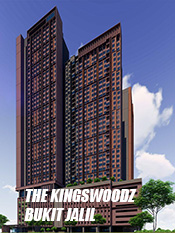



 Posts
Posts


