
PETALING JAYA: Aeon Co (M) Bhd has entered into a sale and purchase agreement to acquire 2.5ha of land and property for RM107.2mil from Kuala Lumpur City Hall.
The purchase comprised RM27.2mil in land cost and RM80mil in building cost to be built in the future. The land forms part of a township called Bandar Sri Permaisuri.
In a statement to Bursa Malaysia yesterday, Aeon said the acquisition would be fully satisfied by cash and financed through the company’s internal funds.
“The acquisition is in line with Aeon’s corporate strategy of accelerating the expansion of its retail business through opening of new shopping centres and outlets,” it said.
This acquisition is not expected to have any impact on the earnings per share, net assets per share and gearing of the company.
There will be no change in the share capital and major shareholders’ shareholding of the company.
By The Star
Thursday, February 19, 2009

Genting to spend more in Singapore casino project
SINGAPORE: Genting International expects to invest another S$590 million (US$385 million) in its Singapore casino resort project due to open in early 2010, the company said today.
The extra funds to be pumped in by the company, which is part of Malaysian gaming conglomerate Genting Bhd, will bring its total investment in Resorts World at Sentosa to S$6.59 billion from S$6.0 billion, it said.
Genting said the extra investments were required because of further changes made last year aimed at increasing the appeal of the casino project now under construction.
“In the course of the past year, changes have been made to the design and architecture of the integrated resort to substantially improve its entertainment and fun offerings, including enhancements to its casino and Universal Studios Singapore,” Genting said in the statement.
“Improvements were made to the quality of interiors as well as foot traffic accessibility to retail and dining outlets,” it said.
Resorts World at Sentosa, one of two casino projects now under construction in Singapore, will include hotels and a host of family-friendly attractions including the first Universal Studios theme park in Southeast Asia.
By AFP
The extra funds to be pumped in by the company, which is part of Malaysian gaming conglomerate Genting Bhd, will bring its total investment in Resorts World at Sentosa to S$6.59 billion from S$6.0 billion, it said.
Genting said the extra investments were required because of further changes made last year aimed at increasing the appeal of the casino project now under construction.
“In the course of the past year, changes have been made to the design and architecture of the integrated resort to substantially improve its entertainment and fun offerings, including enhancements to its casino and Universal Studios Singapore,” Genting said in the statement.
“Improvements were made to the quality of interiors as well as foot traffic accessibility to retail and dining outlets,” it said.
Resorts World at Sentosa, one of two casino projects now under construction in Singapore, will include hotels and a host of family-friendly attractions including the first Universal Studios theme park in Southeast Asia.
By AFP
US Govt pumps US$75b more into crashing housing sector
PHOENIX: President Barack Obama outlines US$75 billion (US$1 = RM3.66) more in government spending yesterday, a plan to pump money into the crashing housing sector to prevent millions of Americans from losing their homes.
The huge new infusion of federal money is designed to bring under control the mortgage foreclosure crisis amid the worst economic slump to hit the country since the Great Depression.
Obama's detailing of the new mortgage plan in the Arizona capital will be his second major attack on the symptoms of the US economic decline in as many days. On Tuesday he was in Denver to sign a US$787 billion economic stimulus bill - a mix of government spending and tax cuts - designed to reverse the US economic malaise.
But fighting the larger economic downturn depends heavily on ending the crisis in US housing, the sector that set the economy on its downward spiral last year and at one point threatened the country's banking system with collapse. Millions of Americans now find their homes worth much less than they owe on mortgages, while millions more - hit by shrinking incomes, unemployment and higher mortgage interest rates - have lost their homes or face that prospect.
Obama chose Arizona for the announcement because the state is one of the hardest hit by foreclosures.
"We must stem the spread of foreclosures and falling home values for all Americans, and do everything we can to help responsible homeowners stay in their homes," Obama said Tuesday as he signed the US$787 billion stimulus package in Denver.
The ambitious plan he was announcing at a Phoenix high school yesterday was expected to offer government cash to mortgage companies that reduce interest rates - and therefore monthly payments - for homeowners in danger of default, according to several people briefed on the plan. What remained unclear was how the government will decide who qualifies for relief.
By AP
The huge new infusion of federal money is designed to bring under control the mortgage foreclosure crisis amid the worst economic slump to hit the country since the Great Depression.
Obama's detailing of the new mortgage plan in the Arizona capital will be his second major attack on the symptoms of the US economic decline in as many days. On Tuesday he was in Denver to sign a US$787 billion economic stimulus bill - a mix of government spending and tax cuts - designed to reverse the US economic malaise.
But fighting the larger economic downturn depends heavily on ending the crisis in US housing, the sector that set the economy on its downward spiral last year and at one point threatened the country's banking system with collapse. Millions of Americans now find their homes worth much less than they owe on mortgages, while millions more - hit by shrinking incomes, unemployment and higher mortgage interest rates - have lost their homes or face that prospect.
Obama chose Arizona for the announcement because the state is one of the hardest hit by foreclosures.
"We must stem the spread of foreclosures and falling home values for all Americans, and do everything we can to help responsible homeowners stay in their homes," Obama said Tuesday as he signed the US$787 billion stimulus package in Denver.
The ambitious plan he was announcing at a Phoenix high school yesterday was expected to offer government cash to mortgage companies that reduce interest rates - and therefore monthly payments - for homeowners in danger of default, according to several people briefed on the plan. What remained unclear was how the government will decide who qualifies for relief.
By AP
Wednesday, February 18, 2009
Prices of luxury condos to remain volatile
KUALA LUMPUR: Prices of condominiums in the Kuala Lumpur city centre are expected to remain volatile even after the Malaysian property market recovers from the effects of the global economic downturn, expected in two years, according to property consultant Rahim & Co.
“The fundamental thing is there is definitely an oversupply situation. Whether the economy is strong or whether it continues to grow at a healthy rate, there is the fundamental issue of oversupply. With this situation, I don’t see prices even stabilising or picking up in the near future, especially for luxury condominiums,” Savills Rahim & Co managing director Robert Ang said. Savills Rahim & Co is the international arm of Rahim & Co.
He said 1,200 units of luxury condos had been completed in the last two years, while at least another 1,000 units are expected to be completed in the next two years.
“We see these apartments as not very well occupied, so obviously there’s a bit of strain on investors, in terms of rental yields and returns,” he said.
He added, however, the current compressed yields of between 4% and 5% for the condos were expected to pick up to 2006 levels of 6% to 7%, as the property market weakened further.
Rahim & Co sees the supply overhang of condos in the KLCC vicinity at between 25% and 30%, while the valuations of such properties could fall between 15% and 20% this month, with a further decline expected in the next three months, its founder and executive chairman, Datuk Abdul Rahim Rahman said.
Properties in the area currently command an average price of between RM1,200 and RM1,600 per square foot (psf), he said.
Abdul Rahim said, however, the country’s property market, which had yet to feel the brunt of the economic downturn, could recover within two years, although this would depend on the effects of the government’s planned second economic stimulus package.
“Before it starts recovering, we have to face the worst. We are expecting the economy to recover in 12 to 16 months. The real estate market usually recovers slower than the economy, so it could recover within two years,” he said.
He said the current steep prices of homes in the KLCC area, weakening demand from foreign buyers hit by the global economic downturn, and cautious lending by banks here had led to the softening of demand for these properties.
“How much more the valuations will decline, we do not know. We will have to wait and see within the next two to three months,” he said.
Rahim & Co held a media briefing here yesterday on the outlook for the Malaysian property market. The company, whose consultancy services include valuation, real estate agency and research, will also organise a seminar here entitled “Looking Beyond: Challenges and Opportunities in the Malaysian Property Market” in March.
Abdul Rahim said office space rentals in the city centre remained stable, with the current rate of RM8 psf expected to remain.
But for areas outside the central business district, which will see between eight million and 10 million sq ft of office space expected to come on stream by 2011, rental values could then plunge by as much as 15%.
On the outlook for landed residential properties, he said while demand had tapered off, prices remained largely intact.
Meanwhile, Ang said the company had advised its clients to defer new residential property launches until the middle of the year, or as late as the third quarter.
“We at Rahim & Co have advised two of our clients planning high-end projects to defer their launches, scheduled for December 2008 and early this year. Especially for high-end projects, the demand is very, very weak at the moment,” he said.
He said the company also advised its clients to downsize apartment units or use lower-cost fittings to make prices more attractive to buyers, adding that buyers were now looking for lower-priced condos for own occupancy, with investment purchases put on hold.
By The EDGE Malaysia (by Ellina Badri)
“The fundamental thing is there is definitely an oversupply situation. Whether the economy is strong or whether it continues to grow at a healthy rate, there is the fundamental issue of oversupply. With this situation, I don’t see prices even stabilising or picking up in the near future, especially for luxury condominiums,” Savills Rahim & Co managing director Robert Ang said. Savills Rahim & Co is the international arm of Rahim & Co.
He said 1,200 units of luxury condos had been completed in the last two years, while at least another 1,000 units are expected to be completed in the next two years.
“We see these apartments as not very well occupied, so obviously there’s a bit of strain on investors, in terms of rental yields and returns,” he said.
He added, however, the current compressed yields of between 4% and 5% for the condos were expected to pick up to 2006 levels of 6% to 7%, as the property market weakened further.
Rahim & Co sees the supply overhang of condos in the KLCC vicinity at between 25% and 30%, while the valuations of such properties could fall between 15% and 20% this month, with a further decline expected in the next three months, its founder and executive chairman, Datuk Abdul Rahim Rahman said.
Properties in the area currently command an average price of between RM1,200 and RM1,600 per square foot (psf), he said.
Abdul Rahim said, however, the country’s property market, which had yet to feel the brunt of the economic downturn, could recover within two years, although this would depend on the effects of the government’s planned second economic stimulus package.
“Before it starts recovering, we have to face the worst. We are expecting the economy to recover in 12 to 16 months. The real estate market usually recovers slower than the economy, so it could recover within two years,” he said.
He said the current steep prices of homes in the KLCC area, weakening demand from foreign buyers hit by the global economic downturn, and cautious lending by banks here had led to the softening of demand for these properties.
“How much more the valuations will decline, we do not know. We will have to wait and see within the next two to three months,” he said.
Rahim & Co held a media briefing here yesterday on the outlook for the Malaysian property market. The company, whose consultancy services include valuation, real estate agency and research, will also organise a seminar here entitled “Looking Beyond: Challenges and Opportunities in the Malaysian Property Market” in March.
Abdul Rahim said office space rentals in the city centre remained stable, with the current rate of RM8 psf expected to remain.
But for areas outside the central business district, which will see between eight million and 10 million sq ft of office space expected to come on stream by 2011, rental values could then plunge by as much as 15%.
On the outlook for landed residential properties, he said while demand had tapered off, prices remained largely intact.
Meanwhile, Ang said the company had advised its clients to defer new residential property launches until the middle of the year, or as late as the third quarter.
“We at Rahim & Co have advised two of our clients planning high-end projects to defer their launches, scheduled for December 2008 and early this year. Especially for high-end projects, the demand is very, very weak at the moment,” he said.
He said the company also advised its clients to downsize apartment units or use lower-cost fittings to make prices more attractive to buyers, adding that buyers were now looking for lower-priced condos for own occupancy, with investment purchases put on hold.
By The EDGE Malaysia (by Ellina Badri)
UAE property defaults could hit US$25b: UBS
DUBAI: Investors and home buyers in the United Arab Emirates (UAE) may default on payments for properties that have yet to be completed, creating a liability for developers of as much as US$25 billion (US$1 = RM3.63) over the next two years, UBS AG said.
"We believe delinquencies on payment terms will be a growing concern over the next few years," Dubai-based UBS real estate and construction analyst Saud Masud said in an interview.
"In our view, investors are and will continue to default as per individual risk profile," Saud Masud said.
Dubai property prices have dropped 25 per cent from their September peak as banks reduced lending and speculators left the market because of the global financial crisis, Morgan Stanley said.
Dubai opened its property market to foreign investors in 2002, and Abu Dhabi followed three years later, fuelling a boom that was boosted by low interest rates.
"Our assessment of leverage in Dubai's residential property market is based on the cost to developers to finish properties should investors default on the upcoming supply of 140,000 units," Saud Masud said in a Sunday interview.
"We estimate this liability to be roughly US$20 billion to US$25 billion over the next two years," he added.
By Bloomberg
"We believe delinquencies on payment terms will be a growing concern over the next few years," Dubai-based UBS real estate and construction analyst Saud Masud said in an interview.
"In our view, investors are and will continue to default as per individual risk profile," Saud Masud said.
Dubai property prices have dropped 25 per cent from their September peak as banks reduced lending and speculators left the market because of the global financial crisis, Morgan Stanley said.
Dubai opened its property market to foreign investors in 2002, and Abu Dhabi followed three years later, fuelling a boom that was boosted by low interest rates.
"Our assessment of leverage in Dubai's residential property market is based on the cost to developers to finish properties should investors default on the upcoming supply of 140,000 units," Saud Masud said in a Sunday interview.
"We estimate this liability to be roughly US$20 billion to US$25 billion over the next two years," he added.
By Bloomberg
AmFirst posts higher net income from rental rates
PETALING JAYA: AmFirst Real Estate Investment Trust said net income for its third quarter ended Dec 31 rose 12.3% to RM9.04mil from RM8.05mil in the previous corresponding period, lifted by higher rental rates at its properties.
Revenue was RM23.5mil versus RM15.2mil previously.
“AmFirst achieved another strong set of results for both the third quarter and the nine-month period, with our properties continuing to demonstrate the ability to attract and retain high-quality tenants,” Am ARA REIT Managers Sdn Bhd chief executive officer Lim Yoon Peng said in a statement yesterday.
Am ARA is the the trust manager.
“We have lined up enhancement and repositioning works for our properties and they will commence within the first quarter of this year,” he said.
On the acquisition front, AmFirst announced last month that it would acquire an additional three-floor space at Menara Summit in Subang Jaya. This brings the fund’s total ownership at Menara Summit to 12 office floor space out of the 13 floors available. AmFirst owns the hotel block and car parks there.
The fund currently has six properties under its portfolio worth RM840mil.
Nine months’ net profit was RM27.35mil, or 6.38 sen per unit, compared with RM23.56mil, or 5.5 sen per unit, in the previous corresponding period.
By The Star
Revenue was RM23.5mil versus RM15.2mil previously.
“AmFirst achieved another strong set of results for both the third quarter and the nine-month period, with our properties continuing to demonstrate the ability to attract and retain high-quality tenants,” Am ARA REIT Managers Sdn Bhd chief executive officer Lim Yoon Peng said in a statement yesterday.
Am ARA is the the trust manager.
“We have lined up enhancement and repositioning works for our properties and they will commence within the first quarter of this year,” he said.
On the acquisition front, AmFirst announced last month that it would acquire an additional three-floor space at Menara Summit in Subang Jaya. This brings the fund’s total ownership at Menara Summit to 12 office floor space out of the 13 floors available. AmFirst owns the hotel block and car parks there.
The fund currently has six properties under its portfolio worth RM840mil.
Nine months’ net profit was RM27.35mil, or 6.38 sen per unit, compared with RM23.56mil, or 5.5 sen per unit, in the previous corresponding period.
By The Star
Property market to rebound in two years
KUALA LUMPUR: The property sector in the country is likely to weaken further amid worsening economic conditions with the market expected to rebound in two years, said property consultanty firm Rahim & Co Chartered Surveyors.
Executive chairman Datuk Abdul Rahim Rahman said people were getting more prudent with their spending, adopting a wait-and-see attitude that has resulted in the property market getting softer.
“(The price of) luxury condominiums in Kuala Lumpur City Centre (KLCC) for example are down 15% to 20 %,” he said. “Apart from that, the ongoing buildings development activities outside the central business district may push down the rental rate for offices when they are ready by 2010 - 2011 as a result of oversupply of office space.”
Abdul Rahim said he expected the Malaysian economy to recover in 12 to 16 months but the property market would take another two years to rebound after the economy recovered.
“This all will depend on the Government’s strategy and initiatives to strengthen the economy.
“We are not as bad as in 1997 when the property market needed 4-5 years to recover. “We believe this time around, the property market would be stable again within two years after economic recovery,” he said.
Savills Rahim & Co Real Estate Agents’ managing director Robert Ang said buyers were now asking for a yield guarantee from developers before buying properties.
“Last year, the yields were 4% to 5%. As the market weakens, buyers want guarantee from developers to give them higher yields at 6% to 7%,” he said.
He added that due to weak demand, some of the company’s clients were advised to defer their new launches, especially the higher-end projects, to the third quarter.
Nevertheless, the property sector remains relatively well supported at the moment, Rahim noted.
“Banks are still providing loans to buyers and developers. Apart from that, sellers are getting more flexible on pricing their properties.
“However, the demand is not as strong as before,” he said.
Rahim & Co will be organising a seminar called “Looking Beyond: Challenges & Opportunities In The Malaysian Property Market” on March 3 at Hotel Istana Kuala Lumpur.
The seminar will feature talks on the property market situation in the country by local and international speakers.
By The Star
Executive chairman Datuk Abdul Rahim Rahman said people were getting more prudent with their spending, adopting a wait-and-see attitude that has resulted in the property market getting softer.
“(The price of) luxury condominiums in Kuala Lumpur City Centre (KLCC) for example are down 15% to 20 %,” he said. “Apart from that, the ongoing buildings development activities outside the central business district may push down the rental rate for offices when they are ready by 2010 - 2011 as a result of oversupply of office space.”
Abdul Rahim said he expected the Malaysian economy to recover in 12 to 16 months but the property market would take another two years to rebound after the economy recovered.
“This all will depend on the Government’s strategy and initiatives to strengthen the economy.
“We are not as bad as in 1997 when the property market needed 4-5 years to recover. “We believe this time around, the property market would be stable again within two years after economic recovery,” he said.
Savills Rahim & Co Real Estate Agents’ managing director Robert Ang said buyers were now asking for a yield guarantee from developers before buying properties.
“Last year, the yields were 4% to 5%. As the market weakens, buyers want guarantee from developers to give them higher yields at 6% to 7%,” he said.
He added that due to weak demand, some of the company’s clients were advised to defer their new launches, especially the higher-end projects, to the third quarter.
Nevertheless, the property sector remains relatively well supported at the moment, Rahim noted.
“Banks are still providing loans to buyers and developers. Apart from that, sellers are getting more flexible on pricing their properties.
“However, the demand is not as strong as before,” he said.
Rahim & Co will be organising a seminar called “Looking Beyond: Challenges & Opportunities In The Malaysian Property Market” on March 3 at Hotel Istana Kuala Lumpur.
The seminar will feature talks on the property market situation in the country by local and international speakers.
By The Star
Interest rate cut may spur homeowners to refinance loans
The latest cut in interest rates by banks will encourage more homeowners to refinance their loans, a trend that should become visible in the market in the next three to six months.
Rahim & Co executive chairman Datuk Abdul Rahim Rahman expects the property market in the country to feel the full impact of the global financial crisis in the coming months and to recover in two years.

"Before it starts recovering, we have to face the worst. The property market is usually slower to recover than the economy," he told reporters in Kuala Lumpur yesterday.
Property prices have dropped by between 10 per cent and 15 per cent since late last year as prospective buyers adopt a wait-and-see attitude in committing towards purchases and banks become more cautious in extending loans.
"The situation today is definitely not as bad as during the 1997 Asian financial crisis when it took at least five years for the property market to recover," Abdul Rahim said.
He attributed this to the country's more sound economic situation and the RM7 billion economic stimulus package.
"In some ways, the decline in the property market helps to stabilise rental rates for some developments, such as the luxury condominium units located in the Kuala Lumpur City Centre (KLCC) vicinity."
Abdul Rahim said the average price of luxury condominiums rose as high as RM2,500 per sq ft last year, but has since fallen to between RM1,000 and RM1,500 per sq ft.
"Demand in the KLCC area is not as strong as before. As a result, sellers are now becoming more flexible and willing to negotiate."
Asked whether KLCC property prices would return to previous levels once demand picked up, Abdul Rahim said it would depend on several factors.
"When the price fetched as high as it did last year, prices of oil and raw material were escalating. But as land area in KLCC is scarce, its property prices won't go down as much."
Savills Rahim & Co managing director Robert Ang pointed out that office space in KLCC were going for some RM8 per sq ft, indicating that the segment remained stable.
However, he expressed some concern over supply and demand for office space in the area come 2011 when another 8 million sq ft to 10 million sq ft of office space is available in the market.
"Although office rental rates are stable right now, the oversupply situation in two years will push rentals down by about 10-15 per cent," he said.
By Business Times (by Zurinna Raja Adam)
Rahim & Co executive chairman Datuk Abdul Rahim Rahman expects the property market in the country to feel the full impact of the global financial crisis in the coming months and to recover in two years.

"Before it starts recovering, we have to face the worst. The property market is usually slower to recover than the economy," he told reporters in Kuala Lumpur yesterday.
Property prices have dropped by between 10 per cent and 15 per cent since late last year as prospective buyers adopt a wait-and-see attitude in committing towards purchases and banks become more cautious in extending loans.
"The situation today is definitely not as bad as during the 1997 Asian financial crisis when it took at least five years for the property market to recover," Abdul Rahim said.
He attributed this to the country's more sound economic situation and the RM7 billion economic stimulus package.
"In some ways, the decline in the property market helps to stabilise rental rates for some developments, such as the luxury condominium units located in the Kuala Lumpur City Centre (KLCC) vicinity."
Abdul Rahim said the average price of luxury condominiums rose as high as RM2,500 per sq ft last year, but has since fallen to between RM1,000 and RM1,500 per sq ft.
"Demand in the KLCC area is not as strong as before. As a result, sellers are now becoming more flexible and willing to negotiate."
Asked whether KLCC property prices would return to previous levels once demand picked up, Abdul Rahim said it would depend on several factors.
"When the price fetched as high as it did last year, prices of oil and raw material were escalating. But as land area in KLCC is scarce, its property prices won't go down as much."
Savills Rahim & Co managing director Robert Ang pointed out that office space in KLCC were going for some RM8 per sq ft, indicating that the segment remained stable.
However, he expressed some concern over supply and demand for office space in the area come 2011 when another 8 million sq ft to 10 million sq ft of office space is available in the market.
"Although office rental rates are stable right now, the oversupply situation in two years will push rentals down by about 10-15 per cent," he said.
By Business Times (by Zurinna Raja Adam)
Tune Hotels.com to open 5 hotels
TUNE Hotels.com is on track to open at least five hotels, including two in Bali, Indonesia by this year.
Chief executive officer Mark Lankester said the hotels in Kuching, Penang and the Low-Cost Carrier Terminal (LCCT) would be opened by the first quarter of this year.
"The Tune Hotels.com-Waterfront Kuching will be opened on March 2, while Tune Hotels.com – Downtown Penang and KLIA-LCCT Airport will be in April.
"The hotels in Bali are still under construction and are expected to be opened in November," he told a media briefing prior to the launch of its Kuching hotel by state Urban Development and Tourism Minister Datuk Michael Manyin today.
Lankester said the company planned to open hotels in Kuantan, Kuala Lumpur, Johor Baru and Batam in Indonesia.
"We will continue to draw up (more hotels). In Kuching, we are looking for another site to accommodate more travellers.
Tune Hotels.com- Waterfront Kuching, the first franchised hotel, is managed by Limar Management Services Sdn Bhd.
In conjunction with opening of the hotel, Tune Hotels.com has teamed up with low-cost airline, AirAsia, to launch a "Tune Me Up Holidays!" promotion to offer a 3-day 2-night return flight plus hotel packages to Kuching from as low as RM56 per person.
By Bernama
Chief executive officer Mark Lankester said the hotels in Kuching, Penang and the Low-Cost Carrier Terminal (LCCT) would be opened by the first quarter of this year.
"The Tune Hotels.com-Waterfront Kuching will be opened on March 2, while Tune Hotels.com – Downtown Penang and KLIA-LCCT Airport will be in April.
"The hotels in Bali are still under construction and are expected to be opened in November," he told a media briefing prior to the launch of its Kuching hotel by state Urban Development and Tourism Minister Datuk Michael Manyin today.
Lankester said the company planned to open hotels in Kuantan, Kuala Lumpur, Johor Baru and Batam in Indonesia.
"We will continue to draw up (more hotels). In Kuching, we are looking for another site to accommodate more travellers.
Tune Hotels.com- Waterfront Kuching, the first franchised hotel, is managed by Limar Management Services Sdn Bhd.
In conjunction with opening of the hotel, Tune Hotels.com has teamed up with low-cost airline, AirAsia, to launch a "Tune Me Up Holidays!" promotion to offer a 3-day 2-night return flight plus hotel packages to Kuching from as low as RM56 per person.
By Bernama
Tuesday, February 17, 2009
'Property mart may take 2 years to rebound'
MALAYSIA'S real-estate market, glutted with luxury homes planned in boom times, may suffer the full effects of the global economic slump in coming months and take two years to rebound, property consultant Rahim & Co said.
“Before it starts recovering, we have to face the worst,” Abdul Rahim Rahman, the company’s chairman and founder, told reporters today in Kuala Lumpur. “The real-estate market is usually slower to recover than the economy.”
Luxury condominium prices near the Petronas Twin Towers in central Kuala Lumpur will extend declines by June after dropping as much as 20 per cent from last year, as oversupply crimps sales and demand dries up, Rahim said. Condo prices lost 5 per cent to 10 per cent in the Klang Valley surrounding the capital, he said.
Malaysia’s government may next month put forward a second stimulus plan, adding to November’s RM7 billion (US$1.9 billion) package, in a bid to avoid joining neighbouring Singapore in recession. Interest in luxury apartments is evaporating even as developers roll out projects planned before the worldwide slowdown, Rahim said.
“In 2006, 2007, our calls were all, ‘what have you got, is there anything interesting to buy?’ Those calls have stopped,” he said.
There may be 30 per cent too many luxury apartments in the centre of Kuala Lumpur, he said. Developers are committed to introducing new projects so they can cover costs and are exacerbating the glut, Rahim said.
The global recession, partly caused by a real-estate slump in the US, triggered economic slowdowns from the UK to New Zealand. In Malaysia, Rahim is advising clients to delay new projects to the third quarter, consider shrinking them, or use cheaper furnishings to make prices more attractive.
“Demand is very, very weak,” Robert Ang, managing director of Savills Rahim & Co, the firm’s international real-estate agency, said today. “I don’t see prices even stabilising or picking up in the near future, especially luxury condos.”
The number of high-end apartments in Kuala Lumpur will double to more than 30,000 in the next three years, Malaysian property consultant Regroup Associates Sdn Bhd said in December.
The average price of luxury condominiums in the centre of the Malaysian capital has fallen to between RM1,000 and RM1,500 a square foot. Foreign buyers pushed prices to more than RM2,000 in 2007.
By Bloomberg
“Before it starts recovering, we have to face the worst,” Abdul Rahim Rahman, the company’s chairman and founder, told reporters today in Kuala Lumpur. “The real-estate market is usually slower to recover than the economy.”
Luxury condominium prices near the Petronas Twin Towers in central Kuala Lumpur will extend declines by June after dropping as much as 20 per cent from last year, as oversupply crimps sales and demand dries up, Rahim said. Condo prices lost 5 per cent to 10 per cent in the Klang Valley surrounding the capital, he said.
Malaysia’s government may next month put forward a second stimulus plan, adding to November’s RM7 billion (US$1.9 billion) package, in a bid to avoid joining neighbouring Singapore in recession. Interest in luxury apartments is evaporating even as developers roll out projects planned before the worldwide slowdown, Rahim said.
“In 2006, 2007, our calls were all, ‘what have you got, is there anything interesting to buy?’ Those calls have stopped,” he said.
There may be 30 per cent too many luxury apartments in the centre of Kuala Lumpur, he said. Developers are committed to introducing new projects so they can cover costs and are exacerbating the glut, Rahim said.
The global recession, partly caused by a real-estate slump in the US, triggered economic slowdowns from the UK to New Zealand. In Malaysia, Rahim is advising clients to delay new projects to the third quarter, consider shrinking them, or use cheaper furnishings to make prices more attractive.
“Demand is very, very weak,” Robert Ang, managing director of Savills Rahim & Co, the firm’s international real-estate agency, said today. “I don’t see prices even stabilising or picking up in the near future, especially luxury condos.”
The number of high-end apartments in Kuala Lumpur will double to more than 30,000 in the next three years, Malaysian property consultant Regroup Associates Sdn Bhd said in December.
The average price of luxury condominiums in the centre of the Malaysian capital has fallen to between RM1,000 and RM1,500 a square foot. Foreign buyers pushed prices to more than RM2,000 in 2007.
By Bloomberg
Worst yet to come for developers: Citi

The research house notes that more developers are providing more incentives and rebates to attract homebuyers
CITI Investment Research continues to hold a negative view on Malaysian developers, saying that the sector's worst is yet to come.
"We noticed that more developers are joining in the bandwagon to provide more incentives and rebates. Clearly a sign of more difficult times and a reflection of significant drop in monthly sales," the foreign research firm wrote in a report dated February 13 2009.
During the 1998 financial crisis, residential property transactions fell by 30 per cent, it added.
Citi cited SP Setia Bhd, which has been aggressive in advertising its 5/95 home loan package in both the newspapers and putting up banners in town. This package will last until April 19.
Under this package, a buyer makes a 5 per cent downpayment (versus 10 per cent normally) with no other cash outlay until property is handed over. SP Setia will bear all legal fees, stamp duty on the sale and purchase agreement, loan agreement and memorandum of transfer and also service the interest during the construction period.
Mah Sing Group Bhd has an almost similar financing plan, which will last until March 31.
"Based on our computation, the impact on margins for a developer that provides such a package would be 7 per cent based on property price of RM500,000.
"If assuming 25 per cent margin for the RM500,000 property, the 5/95 package would slash margin by 7 per cent to 18 per cent," said Citi.
Citi said while the promotion looks attractive for homebuyers, banks will bear the risk of holding the property in two years time if the buyer decides to forfeit the 5 per cent deposit and walk away from the deal. The banks in SP Setia's panel are Malayan Banking Bhd, Bumiputra-Commerce Holdings Bhd, EON Bank Bhd and Public Bank Bhd.
By Business Times
Premier Australian property fair

With the strengthening of the Malaysian ringgit against the Australian dollar, it is timely to consider investing in Australian real estate.
There is good news for those interested in Australian homes and properties!
An exciting and prestigious international property event will take place soon in Kuala Lumpur and Penang.
There have been numerous real estate exhibitions in town but the Australia & International Property Fair 09 will display entirely international projects, focusing mainly on Australian properties.
The premier Australian property fair will be held for two consecutive days on April 11 and 12 at the Palace of The Golden Horses in Kuala Lumpur.
Thereafter, it will move on to Penang at the G-Hotel from April 15 to 16. The event will showcase all types of commercial and residential projects by established Australian and international developers.
Over the past decades, Australia has been the most popular choice for pursuing tertiary education abroad among Malaysians, as it is less expensive in comparison to the United States or the United Kingdom. Furthermore, it is geographically nearer.
With thousands of Malaysian students studying Down Under and an increasing number migrating there each year, it is no surprise there is a growing interest and market for Australian properties.
Unfortunately, these are available on a rather small scale or in limited choices through local real estate agents.
Interested buyers or investors should therefore mark their calendars for the upcoming Australia & International Property Fair 09 that is expected to offer a variety of choice properties.
For parents planning to send their children to Australia for further studies, the Australia & International Property Fair 09 will be an excellent opportunity to view properties for investment.
With high rental in big cities like Melbourne and Sydney, those who can afford it may wish to consider buying an apartment or townhouse for their children's accommodation and later putting it up for sale when the market is up.
Alternatively, some may consider keeping it for possible future migration or renting out the property for income in the interim.
With the recent strengthening of the Malaysian ringgit against the Australian dollar and no visible rise in real estate prices following the global economic downturn, it is timely to consider investing in Australian properties.
Besides Australian and international real estate, the fair will also feature related businesses and services which include banks, financial services companies, fund houses and migration agencies.
The Australia & International Property Fair 09 will serve as an excellent platform for international exhibitors in the property and related businesses to reach out to many prospective Asian buyers, especially from Malaysia and Singapore.
This international event is brought to you by BW Cyans Advertising Sdn Bhd.
By The Star
Monday, February 16, 2009
SP Setia confident of achieving targeted revenue from Penang properties
ALTHOUGH the property market is expected to be soft in the coming months, it will be business as usual for the SP Setia group, group chief executive officer and managing director Tan Sri Liew Kee Sin said.
He said there were a few new launches in the pipeline in the coming months.
“The group is confident of achieving its target of RM180mil in revenue from the sale of its properties in Penang for the fiscal year ending October 2009,” he told StarBiz.
“About 50% of the targeted revenue would come from the sale of the Setia Pearl Island properties in Bayan Lepas, comprising the remaining bumiputra units of phase two and the properties of phase three.
“The other 50% will be contributed by the sale of the units of Setia Vista, a project comprising 250 terrace houses, to be launched in the second quarter in Relau,” he said.
“Our target is to generate RM45mil in revenue for each quarter in 2009 from the sale of properties in Penang (from the Setia Pearl Island and Setia Vista schemes),” he said.
The 558 units of Setia Pearl Island’s first and second phases have been sold. The units will be handed over to the purchasers next month.
“For the third phase, which comprises 172 units of super-terrace and semi-detached houses, we have launched and fully sold the super-terrace houses. Some 58 semi-detached houses were launched recently for the third phase,” he said. “The remaining 54 semi-detached units will be launched in the third quarter of 2009,” he said.
This year, SP Setia plans to develop the RM150mil Reflections, a single block of 350-unit condominium scheme within Setia Pearl Island.
“The units, with built-up areas of 1,048 to 1,543 sq ft, will be tentatively priced from RM338,880 onwards,” he said.
Meanwhile, according to the group’s independent geo-technical consultant engineer Tang Heap Seng, the RM1.2bil Setia Pearl Island project sits on 112-acre hillside land that consists of about 70% bedrock, which ensures the stability of the land.
“Using the two-tier development approach, we are able to maintain the developed terrain at a gradient of around 15 degrees. According to the norm, an existing hill slope with a gradient higher than 36 degrees is a cause for concern,” Tang said.
Liew said the two-tier development made it more expensive to develop the infrastructure works and facilities, as it required more entrances and separate internal roads to be constructed.
He added that the group’s approach to managing hillside development was thorough.
“The strategy used encompasses four stages spanning soil investigation, design, construction and post-construction.
“Each stage involves the participation of qualified team members, and is headed and supervised by specialist consultants.
“Designs are cross-checked by an independent checker and a second opinion is sought from another independent specialist,” he said.
“Until today, we have spent about an additional RM1mil on slope protection, which involves the construction of berm drains, turfing and guniting, which uses cement to reinforce the slope,” Liew said.
He said for the project, the group had engaged five geo-technical experts to provide consultation during the construction period. “The group’s technical team, in collaboration with the geotechnical consultants, has been carrying out periodic inspection of the development site since the inception of the project, and will continue to do so after completion.
“All the designs and submissions are ultimately vetted and approved by the local authority and technical departments based on stringent guidelines,” he said.
By The Star (by David Tan)
He said there were a few new launches in the pipeline in the coming months.
“The group is confident of achieving its target of RM180mil in revenue from the sale of its properties in Penang for the fiscal year ending October 2009,” he told StarBiz.
“About 50% of the targeted revenue would come from the sale of the Setia Pearl Island properties in Bayan Lepas, comprising the remaining bumiputra units of phase two and the properties of phase three.
“The other 50% will be contributed by the sale of the units of Setia Vista, a project comprising 250 terrace houses, to be launched in the second quarter in Relau,” he said.
“Our target is to generate RM45mil in revenue for each quarter in 2009 from the sale of properties in Penang (from the Setia Pearl Island and Setia Vista schemes),” he said.
The 558 units of Setia Pearl Island’s first and second phases have been sold. The units will be handed over to the purchasers next month.
“For the third phase, which comprises 172 units of super-terrace and semi-detached houses, we have launched and fully sold the super-terrace houses. Some 58 semi-detached houses were launched recently for the third phase,” he said. “The remaining 54 semi-detached units will be launched in the third quarter of 2009,” he said.
This year, SP Setia plans to develop the RM150mil Reflections, a single block of 350-unit condominium scheme within Setia Pearl Island.
“The units, with built-up areas of 1,048 to 1,543 sq ft, will be tentatively priced from RM338,880 onwards,” he said.
Meanwhile, according to the group’s independent geo-technical consultant engineer Tang Heap Seng, the RM1.2bil Setia Pearl Island project sits on 112-acre hillside land that consists of about 70% bedrock, which ensures the stability of the land.
“Using the two-tier development approach, we are able to maintain the developed terrain at a gradient of around 15 degrees. According to the norm, an existing hill slope with a gradient higher than 36 degrees is a cause for concern,” Tang said.
Liew said the two-tier development made it more expensive to develop the infrastructure works and facilities, as it required more entrances and separate internal roads to be constructed.
He added that the group’s approach to managing hillside development was thorough.
“The strategy used encompasses four stages spanning soil investigation, design, construction and post-construction.
“Each stage involves the participation of qualified team members, and is headed and supervised by specialist consultants.
“Designs are cross-checked by an independent checker and a second opinion is sought from another independent specialist,” he said.
“Until today, we have spent about an additional RM1mil on slope protection, which involves the construction of berm drains, turfing and guniting, which uses cement to reinforce the slope,” Liew said.
He said for the project, the group had engaged five geo-technical experts to provide consultation during the construction period. “The group’s technical team, in collaboration with the geotechnical consultants, has been carrying out periodic inspection of the development site since the inception of the project, and will continue to do so after completion.
“All the designs and submissions are ultimately vetted and approved by the local authority and technical departments based on stringent guidelines,” he said.
By The Star (by David Tan)
Iskandar's RM43bil investment a big boost for Johor

Setia Tropika housing project at Kempas in Johor Baru by SP Setia
ISKANDAR Malaysia will drive the growth of the property market in Johor during the global economic slowdown.
Located at the southernmost part of Johor, it spans over 2,217 sq km covering Johor Baru, Senai-Kulai, Gelang Patah-Pontian and Pasir Gudang-Tanjung Langsat.
It was the first economic growth corridor launched in the country on Nov 4, 2006 and, as at today, had received RM43bil investments from the RM47bil targeted by 2010.
“Iskandar is more viable compared with other economic growth corridors in Malaysia,’’ KGV-Lambert Smith Hampton director Samuel Tan Wee Cheng told StarBiz.

Samuel Tan Wee Cheng ... Johor property market benefits from Iskandar
The other corridors are the Northern Corridor Economic Region, East Coast Economic Region, Sabah Development Corridor and Sarawak Corridor of Renewable Energy.
Tan said that despite criticisms and unfavorable comments from certain quarters on Iskandar since day one, it had been in full swing with the influx of local and foreign investors.
He said the investment in Iskandar would not only spill over to other parts of Johor but would also be of national interest as it was being watched closely by other countries in the region.
Tan said the Johor property market also benefited from Iskandar as demand for high-end residential properties was on the rise in south Johor.
Apart from the Iskandar factor, Tan said Singapore also played an important part in determining the economic growth in Johor.
“It is a well-known fact that both Johor and Singapore are intertwined in economic activities during good or bad times due to their close proximity,’’ he said.
Tan said thousands of Johoreans and locals from other states who stayed in Johor Baru crossed over to the republic daily to work because of the strong Singapore dollar.
He said Johor had been supplying workforce to Singapore for many years and when the two integrated resorts take shape in the next two years, more workers would be needed in the services industry there.
Meanwhile, thousands of Singaporeans visit Johor Baru regularly to shop, dine or visit friends and relatives. Some also owned houses in Johor.
He said although Singapore had slipped into a recession, the S$35bil economic stimulus package would assist the republic, and it could be the first to be out of the downturn.
Real Estate and Housing Developers Association (Rehda) Johor branch chairman Lee Kim Chia also agreed with Tan that Iskandar was the driving factor for the property market in Johor to overcome the downturn.
He said the influx of local and foreign investors would create job opportunities within Iskandar and the presence of new residents would bode well for the property market in south Johor.
“As we can see now, several projects by the public and private sectors are already taking shape in Iskandar and these will create an economic spillover effect,’’ said Lee.
Under the Ninth Malaysia Plan, the Federal Government has allocated RM6.83bil for infrastructure projects in Iskandar.
In the past six months, the Iskandar Regional Development Authority has awarded RM1.62bil tenders comprising 18 projects.
The projects include seven road packages worth RM1.45bil, seven drainage projects worth RM76.52mil and four river-cleaning jobs worth RM89.6mil.
“Everybody knows 2009 will be a tough year because of the uncertainties in the global economy and even the property market is not spared,’’ he said.
However, Lee said that even during bad times, there were people who needed houses, thus the need for developers to be innovative and creative in their marketing strategies.
He said some of the developers might proceed with new launches; others might defer or scale down their products or even review the pricing.
Lee said the last quarter of 2008 was already showing signs of slowing down in the property market following the credit crunch in the US and the financial crisis in Europe.
He said developers taking part in the last property expo in Johor in November managed to record RM100mil sales.
“The figure is still considered good and Rehda is hoping to record a similar figure for the coming Mapex 2009 to be held either in March or April,’’ said Lee.
By The Star (by Zazali Musa)
Johor developers: Innovation and creativity the key
PROPERTY developers in Johor – like in other parts of the country – are taking different strategies and approaches in view of the softening property market.
Developers opined that unlike the 1997-98 Asian financial crisis, it was more challenging now as countries in the world were facing uncertainties from the global economic downturn.
However, they said this time around governments globally were taking pro-active steps and making concerted efforts to overcome the situation.

Chang Kim Wah
SP Setia Bhd group executive director Chang Khim Wah said the company would continue to focus on its ongoing projects in Johor even during bad times.
The projects are Bukit Indah I & II, Setia Indah, Setia Tropika and Setia Eco Gardens.
“We are not worried about others and what they are doing but instead are looking at how we can improve and provide what is best for our customers,’’ he said.
Chang said developers had to be innovative and creative regardless of whether the times were good or bad as today’s consumers were more knowledgeable and expected only the best and product differentiation.
He said although the property market might not look rosy this year, it could benefit from the lower interest rate as this would prompt serious house buyers to make purchases.
Chang said even during bad times, there were still buyers with cash and who were willing to spend on properties as they knew they would get good deals from developers and banks.
He said the company recently launched 40 bungalows with a price tag from RM1.3mil each at its Setia Tropika project in Kempas. “Sales were good and the units were immediately snapped by Chinese and Malay businessmen,’’ said Chang.
The company would concentrate on landscaping at all its projects in Johor, he said, adding that it did not see prices of properties in Johor dropping this year.
Mah Sing Group Bhd is not going to postpone or scale down its property launches in Johor. In fact the company is confident of recording good sales this year.
Its projects are the Sierra Perdana, Sri Pulai Perdana I, Austin Perdana and Sri Pulai Perdana II launched recently.
Mah Sing Properties Sdn Bhd chief operating officer Ng Heng Phai said the Johor property market had never been a bubble market and the property price appreciation was more moderate.
“Johor is fortunate during this economic downturn as it has Iskandar Malaysia and can benefit from the two integrated resort projects in Singapore,’’ said Ng.
He said the commitment shown by the stakeholders to make the economic corridor a success should be lauded.
Ng said the two integrated resorts in Singapore would create 10,000 jobs in the services sector and, in this respect, Johor had always been providing the workforce needed by the republic.
In Singapore, the hospitality service employees earned between S$1,500 and S$3,000 monthly and they were what the company was looking at as potential house buyers, he said.
“The unemployment rate is likely to reach 6% this year but we still have 94% of the population working and this is the segment developers should target instead on harping on the unemployment rate,’’ said Ng.
Berinda Properties sales manager Lim Sung Heng said the company would try to adjust its products according to the economic situation.
He said, for instance, when times were good, it usually launched 300 units of new houses, but was now looking at 100 units at the most. It was also considering reducing the size of the houses so that the prices were not marked up.
Lim said the company still enjoyed good sales and most of its buyers were businessmen in the recession-proof business and multi-level marketing companies.
“There are always opportunities during a crisis but we must be able to maintain our costs by streamlining our products or reviewing them,’’ he said.
Berinda is a member of the Kuok Group and its projects in Johor are Taman Molek, Taman Impian Emas, Taman Impian Heights, Taman Redang, Taman Ponderosa, and the soon-to-be-launched Ponderosa Woods. It also owns the Impian Emas Golf and Country Club and Ponderosa Golf and Country Club.
By The Star
Developers opined that unlike the 1997-98 Asian financial crisis, it was more challenging now as countries in the world were facing uncertainties from the global economic downturn.
However, they said this time around governments globally were taking pro-active steps and making concerted efforts to overcome the situation.

Chang Kim Wah
SP Setia Bhd group executive director Chang Khim Wah said the company would continue to focus on its ongoing projects in Johor even during bad times.
The projects are Bukit Indah I & II, Setia Indah, Setia Tropika and Setia Eco Gardens.
“We are not worried about others and what they are doing but instead are looking at how we can improve and provide what is best for our customers,’’ he said.
Chang said developers had to be innovative and creative regardless of whether the times were good or bad as today’s consumers were more knowledgeable and expected only the best and product differentiation.
He said although the property market might not look rosy this year, it could benefit from the lower interest rate as this would prompt serious house buyers to make purchases.
Chang said even during bad times, there were still buyers with cash and who were willing to spend on properties as they knew they would get good deals from developers and banks.
He said the company recently launched 40 bungalows with a price tag from RM1.3mil each at its Setia Tropika project in Kempas. “Sales were good and the units were immediately snapped by Chinese and Malay businessmen,’’ said Chang.
The company would concentrate on landscaping at all its projects in Johor, he said, adding that it did not see prices of properties in Johor dropping this year.
Mah Sing Group Bhd is not going to postpone or scale down its property launches in Johor. In fact the company is confident of recording good sales this year.
Its projects are the Sierra Perdana, Sri Pulai Perdana I, Austin Perdana and Sri Pulai Perdana II launched recently.
Mah Sing Properties Sdn Bhd chief operating officer Ng Heng Phai said the Johor property market had never been a bubble market and the property price appreciation was more moderate.
“Johor is fortunate during this economic downturn as it has Iskandar Malaysia and can benefit from the two integrated resort projects in Singapore,’’ said Ng.
He said the commitment shown by the stakeholders to make the economic corridor a success should be lauded.
Ng said the two integrated resorts in Singapore would create 10,000 jobs in the services sector and, in this respect, Johor had always been providing the workforce needed by the republic.
In Singapore, the hospitality service employees earned between S$1,500 and S$3,000 monthly and they were what the company was looking at as potential house buyers, he said.
“The unemployment rate is likely to reach 6% this year but we still have 94% of the population working and this is the segment developers should target instead on harping on the unemployment rate,’’ said Ng.
Berinda Properties sales manager Lim Sung Heng said the company would try to adjust its products according to the economic situation.
He said, for instance, when times were good, it usually launched 300 units of new houses, but was now looking at 100 units at the most. It was also considering reducing the size of the houses so that the prices were not marked up.
Lim said the company still enjoyed good sales and most of its buyers were businessmen in the recession-proof business and multi-level marketing companies.
“There are always opportunities during a crisis but we must be able to maintain our costs by streamlining our products or reviewing them,’’ he said.
Berinda is a member of the Kuok Group and its projects in Johor are Taman Molek, Taman Impian Emas, Taman Impian Heights, Taman Redang, Taman Ponderosa, and the soon-to-be-launched Ponderosa Woods. It also owns the Impian Emas Golf and Country Club and Ponderosa Golf and Country Club.
By The Star
MGPA to buy more properties in Malaysia
MACQUARIE-controlled MGPA, a private equity real estate investment advisory company, will use part of its Asia Fund III (AF III) to acquire more properties in Malaysia, its top official says.
Chief executive officer for Asia developments Michael Wilkinson said it is looking to buy integrated and stand-alone properties, land, and old buildings that require a complete makeover.
MGPA will not allow the state of the current economy to deter its plan to grow and hence, will also buy over real-estate companies, he said.
"We are reviewing some opportunities now, but can't comment further until the deals are done. We are looking quite broadly in Malaysia," he said.
Wilkinson was speaking to Business Times after a media briefing in Kuala Lumpur recently on the RM1.3 billion redevelopment of The Intermark (previously City Square Centre) and Integra Tower (previously Plaza Ampang Mall).
The AF III real-estate fund, which closed last year, has raised US$3.9 billion (RM14.1 billion), resulting in a potential buying power of US$15.6 billion (RM56.5 billion).
According to its website, the fund has already committed equity of US$2.2 billion (about RM8 billion) to investments in Singapore, Japan, China and Thailand in the office, retail, residential, hotel and logistics sectors.
It has active opportunities under consideration in South Korea, Malaysia, Taiwan and Australia.
MGPA's first property acquisition in Malaysia was City Square and Plaza Ampang, acquired in 2007 through AF II, for RM760 million.
Wilkinson said MGPA will not sell its Malaysian properties for now. He also did not rule out disposing of the assets if a good offer comes in later and reinvesting the capital.
He said if MGPA is faced with the same opportunity to buy assets like City Square and Plaza Ampang in the present economy, it will invest in the deal.
"If there's a good location and growth prospects, we will invest tomorrow. It is a good time to be investing, particularly in a strong market like Malaysia. If we are going to endure one to five years of downturn, let it be ... we have quality assets to sustain," he said.
Wilkinson said the current situation is a short-term cyclical occurrence and investors should not be distracted by it.
"In this climate, there is an expectation that a lot of people will be under pressure and selling good quality assets. We have not seen that happening or experienced the market disintegrating in terms of pricing," he said.
"If you feel the financial market will be dislocated forever, then sell your assets. But if you believe its a short-term effect and the market will correct and the government will respond, then in not too long, the situation will improve," he said.
Wilkinson believes there will be a similar correction as during the Asian financial crises in 1997 and the severe acute respiratory syndrome outbreak in 2003.
Although the present situation may take one or two years to recover, it will not have any impact on MGPA's investment strategy, he added.
"Our job is to manage other people's money and that carries with it some very serious obligations. Fortunately for us, we invest in real estate, which fundamentally is about location, supply, demand and long-term economic performance.
"We have the ability to create value, which is why we will buy even the ugliest of building, and turn it around," Wilkinson said.
By Business Times (by Sharen Kaur)
Chief executive officer for Asia developments Michael Wilkinson said it is looking to buy integrated and stand-alone properties, land, and old buildings that require a complete makeover.
MGPA will not allow the state of the current economy to deter its plan to grow and hence, will also buy over real-estate companies, he said.
"We are reviewing some opportunities now, but can't comment further until the deals are done. We are looking quite broadly in Malaysia," he said.
Wilkinson was speaking to Business Times after a media briefing in Kuala Lumpur recently on the RM1.3 billion redevelopment of The Intermark (previously City Square Centre) and Integra Tower (previously Plaza Ampang Mall).
The AF III real-estate fund, which closed last year, has raised US$3.9 billion (RM14.1 billion), resulting in a potential buying power of US$15.6 billion (RM56.5 billion).
According to its website, the fund has already committed equity of US$2.2 billion (about RM8 billion) to investments in Singapore, Japan, China and Thailand in the office, retail, residential, hotel and logistics sectors.
It has active opportunities under consideration in South Korea, Malaysia, Taiwan and Australia.
MGPA's first property acquisition in Malaysia was City Square and Plaza Ampang, acquired in 2007 through AF II, for RM760 million.
Wilkinson said MGPA will not sell its Malaysian properties for now. He also did not rule out disposing of the assets if a good offer comes in later and reinvesting the capital.
He said if MGPA is faced with the same opportunity to buy assets like City Square and Plaza Ampang in the present economy, it will invest in the deal.
"If there's a good location and growth prospects, we will invest tomorrow. It is a good time to be investing, particularly in a strong market like Malaysia. If we are going to endure one to five years of downturn, let it be ... we have quality assets to sustain," he said.
Wilkinson said the current situation is a short-term cyclical occurrence and investors should not be distracted by it.
"In this climate, there is an expectation that a lot of people will be under pressure and selling good quality assets. We have not seen that happening or experienced the market disintegrating in terms of pricing," he said.
"If you feel the financial market will be dislocated forever, then sell your assets. But if you believe its a short-term effect and the market will correct and the government will respond, then in not too long, the situation will improve," he said.
Wilkinson believes there will be a similar correction as during the Asian financial crises in 1997 and the severe acute respiratory syndrome outbreak in 2003.
Although the present situation may take one or two years to recover, it will not have any impact on MGPA's investment strategy, he added.
"Our job is to manage other people's money and that carries with it some very serious obligations. Fortunately for us, we invest in real estate, which fundamentally is about location, supply, demand and long-term economic performance.
"We have the ability to create value, which is why we will buy even the ugliest of building, and turn it around," Wilkinson said.
By Business Times (by Sharen Kaur)
Estate agents urge government to review Act

From left: K. Soma Sundram, Deputy Finance Minister 11 Datuk Kong Cho Ha and MIEA convention chairman Kelvin Yap at the press conference after the launch of MAREC 2009.
KUALA LUMPUR: Malaysian Institute of Estate Agents (MIEA) hopes the Government will review the Valuers, Appraisers and Estate Agents Act 1981 to give more benefits to real estate agents.
President K. Soma Sundram said Malaysia remained the only country in the world where valuers and estate agents were regulated under one legislation.
He said it was important to separate valuers and estate agents as both had contrasting views about the practice.
“The truth is that out of the 17 board members on the Board of Valuers, Appraisers and Estate Agents Malaysia, only two estate agents represent us.
“This is a great imbalance,” he said on Saturday at the launch of the Malaysian Real Estate Convention 2009 (MAREC 09).
Soma Sundram said that he made a clarion call last year to those concerned that as a long-term plan, they should seriously consider setting up the Estate Agents Board.
He said the future of estate agencies should be in the hands of real estate agents and that MIEA proposed the Finance Ministry (the Board of Valuers, Appraisers and Estate Agents Malaysia is under the purview of the ministry) considers the following structure: the Board for Valuers and Appraisers covering those whose principal calling is valuation and the Board for Estate Agents for those whose principal calling is estate agency.
The director general of valuation will be president of both boards.
“I’m confident that if this proposal is acceptable to all involved, it can become a reality in two to three years,” he said.
MIEA was established 32 years ago as an association representing registered estate agents in the country to voice matters relating to their practice.
MAREC 09 was held over the weekend with the theme Reinventing the Profession. MIEA also launched its website on Saturday.
By The Star (by Edy Sarif)
Saturday, February 14, 2009
Real estate sector still has upside despite downturn
REAL estate investors should look at the positive side during the current economic uncertainty, as there is still some upside in this sector, says MGPA Asia Developments chief executive officer Michael Wilkinson.

Michael Wilkinson (left) and MGPA Asia Developments managing director Moon Duck Kim posing with the replica of The Intermark
“Construction cost is now at a moderate rate and with careful selection of investment, we can still benefit,” he said during the launch of The Intermark, a fully integrated world class mixed-use development, yesterday. MGPA will invest RM2bil (including acquisition and construction costs) in The Intermark.
The amount involves the complete refurbishment of 62-storey landmark grade A office building Vista Tower (formerly known as Empire Tower), a new international grade A office building Integra Tower, retail centre Intermark Mall (formerly known as City Square) and Malaysia’s first Doubletree by Hilton Hotel.
MGPA - through it’s Asia Fund 2 - acquired the Empire Tower, City Square, the Crown Princess Hotel and Plaza Ampang in 2007 for about RM760mil.
Wilkinson says the reason to refurbish and build the grade A office buildings was because such buildings were limited in the city.
“Besides that, the location of the development - at the junction of Jalan Tun Razak and Jalan Ampang - is very strategic, just 500 metres from the Petronas Twin Towers and also about a two-minute walk to the Ampang Park LRT,” he says.
The company is comfortable with the investment in Malaysia and will be here for a long time, he says, adding: “In fact, we are looking for more investment opportunities in Malaysia and will announce that when the time comes.”
He says Malaysia was fortunate to be still resilient in the current climate and, with a strong market, the country was still attractive to investors.
Vista Tower is expected to be completed by year-end while the Intermark Mall and DoubleTree by Hilton Hotel will be completed in the first quarter next year. The other building, Integra Tower, is scheduled for completion by end-2012.
By The Star (by EDY Sarif)

Michael Wilkinson (left) and MGPA Asia Developments managing director Moon Duck Kim posing with the replica of The Intermark
“Construction cost is now at a moderate rate and with careful selection of investment, we can still benefit,” he said during the launch of The Intermark, a fully integrated world class mixed-use development, yesterday. MGPA will invest RM2bil (including acquisition and construction costs) in The Intermark.
The amount involves the complete refurbishment of 62-storey landmark grade A office building Vista Tower (formerly known as Empire Tower), a new international grade A office building Integra Tower, retail centre Intermark Mall (formerly known as City Square) and Malaysia’s first Doubletree by Hilton Hotel.
MGPA - through it’s Asia Fund 2 - acquired the Empire Tower, City Square, the Crown Princess Hotel and Plaza Ampang in 2007 for about RM760mil.
Wilkinson says the reason to refurbish and build the grade A office buildings was because such buildings were limited in the city.
“Besides that, the location of the development - at the junction of Jalan Tun Razak and Jalan Ampang - is very strategic, just 500 metres from the Petronas Twin Towers and also about a two-minute walk to the Ampang Park LRT,” he says.
The company is comfortable with the investment in Malaysia and will be here for a long time, he says, adding: “In fact, we are looking for more investment opportunities in Malaysia and will announce that when the time comes.”
He says Malaysia was fortunate to be still resilient in the current climate and, with a strong market, the country was still attractive to investors.
Vista Tower is expected to be completed by year-end while the Intermark Mall and DoubleTree by Hilton Hotel will be completed in the first quarter next year. The other building, Integra Tower, is scheduled for completion by end-2012.
By The Star (by EDY Sarif)
RM1.3b KL landmark
MGPA, a private equity real estate fund, is investing more than RM1.3 billion to redevelop The Intermark, formerly City Square Centre, in Kuala Lumpur.
Chief executive officer for Asia developments Michael Wilkinson said MGPA will also integrate The Intermark and Integra, more commonly known as Plaza Ampang Mall.

"The project is about reinstating the landmark in Kuala Lumpur. We have to make it a first-class asset. There aren't many office assets in the world as imposing as these," he told a news conference in Kuala Lumpur yesterday.
City Square Centre, on Jalan Tun Razak, comprised the 11-storey City Square shopping centre, the 62-storey Empire Tower office block and the 28-storey, 571-room Crown Princess Kuala Lumpur hotel.
The properties have been rebranded and are now known as the Intermark Mall, Vista Tower and Double Tree by Hilton Hotel.
MGPA's Asia Fund II bought the properties, and Plaza Ampang Mall, for RM760 million from a Malaysian developer in 2007.
Integra is a "Grade A" 30-storey office building, which will be ready by end-2012.
Wilkinson said Vista, the first component of the redevelopment, will feature a grand double-height lobby, high-speed lifts and security access control when ready by the end of this year.
Rental rates have doubled to RM9 per sq ft from RM4.60 per sq ft in the last two years.
"A third of the building is vacant for us to make way for the refurbishment. Some existing tenants may leave when their lease expires as they may not be able to afford the higher rates. We are in talks with a few multinational companies to make Vista their headquarters," Wilkinson added.
"We expect Vista to be fully leased within 12 months after its upgrading. As bad as things are globally, we are quite confident of the market and our assets. There is high demand for Grade A office buildings in Kuala Lumpur."
Wilkinson said the mall, which will offer 200,000 sq ft of retail space, and the five-star hotel will be ready by the first quarter of next year.
MGPA, an independent fund that has Australia's Macquarie Group as a shareholder, will hold The Intermark, or "integrated landmark", as a long-term investment.
By Business Times (by Sharen Kaur)
Chief executive officer for Asia developments Michael Wilkinson said MGPA will also integrate The Intermark and Integra, more commonly known as Plaza Ampang Mall.

"The project is about reinstating the landmark in Kuala Lumpur. We have to make it a first-class asset. There aren't many office assets in the world as imposing as these," he told a news conference in Kuala Lumpur yesterday.
City Square Centre, on Jalan Tun Razak, comprised the 11-storey City Square shopping centre, the 62-storey Empire Tower office block and the 28-storey, 571-room Crown Princess Kuala Lumpur hotel.
The properties have been rebranded and are now known as the Intermark Mall, Vista Tower and Double Tree by Hilton Hotel.
MGPA's Asia Fund II bought the properties, and Plaza Ampang Mall, for RM760 million from a Malaysian developer in 2007.
Integra is a "Grade A" 30-storey office building, which will be ready by end-2012.
Wilkinson said Vista, the first component of the redevelopment, will feature a grand double-height lobby, high-speed lifts and security access control when ready by the end of this year.
Rental rates have doubled to RM9 per sq ft from RM4.60 per sq ft in the last two years.
"A third of the building is vacant for us to make way for the refurbishment. Some existing tenants may leave when their lease expires as they may not be able to afford the higher rates. We are in talks with a few multinational companies to make Vista their headquarters," Wilkinson added.
"We expect Vista to be fully leased within 12 months after its upgrading. As bad as things are globally, we are quite confident of the market and our assets. There is high demand for Grade A office buildings in Kuala Lumpur."
Wilkinson said the mall, which will offer 200,000 sq ft of retail space, and the five-star hotel will be ready by the first quarter of next year.
MGPA, an independent fund that has Australia's Macquarie Group as a shareholder, will hold The Intermark, or "integrated landmark", as a long-term investment.
By Business Times (by Sharen Kaur)
Foreigners can still land a good bargain in Malaysia
Although foreign interest in Malaysian properties has slowed down in the last six months following the global financial meltdown, there are still investors who see potential in the market and are looking for value buys.
Industry players are keen to tap the foreign market and are going on roadshows to educate potential foreign buyers in various countries.
The fact that local properties have not appreciated drastically in the past few years like those in countries such as Singapore and Hong Kong, has turned out to be a blessing.
Property prices in Kuala Lumpur and other parts of the country are much lower than those in other neighbouring high-cost cities. Relatively speaking, the local property market is more stable and resilient than in other parts of the world, partly due to the fact that the country has not been severely affected by the global crisis.
Malaysia Property Inc (MPI) executive director Yu Kee Su says the only notable shortcoming is that real estate here has among the lowest capital appreciation in the region.
He notes that because property prices have not escalated in a frenzied manner over the last few years, the threat of an oversupply is somewhat kept in check. “So, Malaysia is not suffering from any sharp price decline,” he adds. “The shortcoming has indeed become a blessing in disguise for Malaysian properties.”
International Real Estate Federation (Fiabci) vice-president for marketing and networking Michael Geh says for European buyers, properties in Malaysia are five times cheaper than those in Europe because of the ringgit’s competitive exchange rate against the euro.
Besides the KLCC and Mont’Kiara areas, Geh says Penang has been identified as the location of choice for foreign investors because of its food, lifestyle, culture and heritage appeal. These foreign buyers are mostly from South-East Asia, Europe and the Middle East.
“As the Middle East, especially Dubai, is overheated and overbuilt, investors will look at other countries such as Malaysia to average out their risks. Besides, senior lifestyle relocations are gaining popularity in Japan and South Korea,” he adds.
Yu agrees that the local property market appeals to foreign investors because of its affordability. The lower cost of living and the Malaysia My Second Home (MM2H) programme are important catalysts in attracting foreigners to invest in Malaysia’s property.
He says the establishment of the MPI, a joint public-private initiative, will help to raise awareness of Malaysia as a preferred destination for international property investors.
Yu further highlights that the country’s property laws on foreign ownership are among the most accommodating in the world. With the exception of residential properties priced below RM250,000, both local and foreign property buyers are subject to the same laws.
“Friendly policies such as the exemption of Foreign Investment Committee guidelines and real property gains tax have also helped to promote foreign investment in real estate by 50% to 60% a year between 2005 and 2007.
Reapfield Properties Sdn Bhd president David Ong opines that local properties are a safer bet than those in other regional markets and believes the market is still attractive to foreigners. He adds that property investors have continuously recorded good yields and returns.
Ong is not unduly worried about the drop in foreign direct investment in the property market although the number of transactions has slowed due to the global financial crisis.
He says: “Some buyers may adopt a wait-and-see attitude, but generally this is the market that offers ample opportunities. Unlike some of the other regional countries, our property market is free from speculation. The stable property market provides higher possibility of good returns and capital appreciation in a maturing market.”
Ho Chin Soon Research Sdn Bhd managing director Ho Chin Soon says the Malaysian property market is not facing any price bubble.
“Compared with other countries, Malaysia looks very attractive. The only reason for the slowdown could be because these investors are so engrossed with the situation in their own countries that they do not have time to consider investing in Malaysian properties for now,” Ho quips.
Association of Valuers and Property Consultants In Private Practice Malaysia president James Wong projects that domestic property prices and demand will weaken by 5% to 10% this year, partly due to the drop in foreign investments.
According to an analyst, property prices in the KLCC vicinity have dropped about 10% to 15% since the fourth quarter of last year, while the medium to high-end market is holding out better.
Meanwhile, markets in Singapore, Vietnam, India and China are not as lucky as Malaysia’s, with asset values having eroded between 20% and 30% since they succumbed to the contagion effect of the global financial crisis.
By The Star (by K.C.Law)
Industry players are keen to tap the foreign market and are going on roadshows to educate potential foreign buyers in various countries.
The fact that local properties have not appreciated drastically in the past few years like those in countries such as Singapore and Hong Kong, has turned out to be a blessing.
Property prices in Kuala Lumpur and other parts of the country are much lower than those in other neighbouring high-cost cities. Relatively speaking, the local property market is more stable and resilient than in other parts of the world, partly due to the fact that the country has not been severely affected by the global crisis.
Malaysia Property Inc (MPI) executive director Yu Kee Su says the only notable shortcoming is that real estate here has among the lowest capital appreciation in the region.
He notes that because property prices have not escalated in a frenzied manner over the last few years, the threat of an oversupply is somewhat kept in check. “So, Malaysia is not suffering from any sharp price decline,” he adds. “The shortcoming has indeed become a blessing in disguise for Malaysian properties.”
International Real Estate Federation (Fiabci) vice-president for marketing and networking Michael Geh says for European buyers, properties in Malaysia are five times cheaper than those in Europe because of the ringgit’s competitive exchange rate against the euro.
Besides the KLCC and Mont’Kiara areas, Geh says Penang has been identified as the location of choice for foreign investors because of its food, lifestyle, culture and heritage appeal. These foreign buyers are mostly from South-East Asia, Europe and the Middle East.
“As the Middle East, especially Dubai, is overheated and overbuilt, investors will look at other countries such as Malaysia to average out their risks. Besides, senior lifestyle relocations are gaining popularity in Japan and South Korea,” he adds.
Yu agrees that the local property market appeals to foreign investors because of its affordability. The lower cost of living and the Malaysia My Second Home (MM2H) programme are important catalysts in attracting foreigners to invest in Malaysia’s property.
He says the establishment of the MPI, a joint public-private initiative, will help to raise awareness of Malaysia as a preferred destination for international property investors.
Yu further highlights that the country’s property laws on foreign ownership are among the most accommodating in the world. With the exception of residential properties priced below RM250,000, both local and foreign property buyers are subject to the same laws.
“Friendly policies such as the exemption of Foreign Investment Committee guidelines and real property gains tax have also helped to promote foreign investment in real estate by 50% to 60% a year between 2005 and 2007.
Reapfield Properties Sdn Bhd president David Ong opines that local properties are a safer bet than those in other regional markets and believes the market is still attractive to foreigners. He adds that property investors have continuously recorded good yields and returns.
Ong is not unduly worried about the drop in foreign direct investment in the property market although the number of transactions has slowed due to the global financial crisis.
He says: “Some buyers may adopt a wait-and-see attitude, but generally this is the market that offers ample opportunities. Unlike some of the other regional countries, our property market is free from speculation. The stable property market provides higher possibility of good returns and capital appreciation in a maturing market.”
Ho Chin Soon Research Sdn Bhd managing director Ho Chin Soon says the Malaysian property market is not facing any price bubble.
“Compared with other countries, Malaysia looks very attractive. The only reason for the slowdown could be because these investors are so engrossed with the situation in their own countries that they do not have time to consider investing in Malaysian properties for now,” Ho quips.
Association of Valuers and Property Consultants In Private Practice Malaysia president James Wong projects that domestic property prices and demand will weaken by 5% to 10% this year, partly due to the drop in foreign investments.
According to an analyst, property prices in the KLCC vicinity have dropped about 10% to 15% since the fourth quarter of last year, while the medium to high-end market is holding out better.
Meanwhile, markets in Singapore, Vietnam, India and China are not as lucky as Malaysia’s, with asset values having eroded between 20% and 30% since they succumbed to the contagion effect of the global financial crisis.
By The Star (by K.C.Law)
Subscribe to:
Posts (Atom)
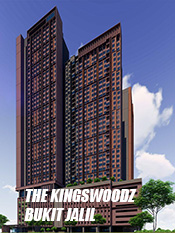



 Posts
Posts


