
MARKET TREND: Developer upbeat on W Kuala Lumpur Hotel & Residences project
DIJAYA Corp Bhd plans to launch serviced residences in Kuala Lumpur at a whopping RM2,000 per square foot (psf) to RM2,500 psf.
Senior Dijaya Corp officials said such price is now the going rate for new luxury properties in the city centre.
"We are looking at that price range for now. There are some projects launching at RM2,500 per sq ft in the city centre. Since we are launching only next year, we may re-look the pricing then," said its executive director Koong Wai Seng.
Dijaya is developing W Kuala Lumpur Hotel & Residences at the site where the historical Bok House used to sit on Jalan Ampang.
The project encompasses a 55-storey block with the first few floors housing the six-star 150-room W Hotel, and the rest to be occupied by the residences.
There will be 353 units of the residences, with estimated gross development value (GDV) of RM900 million.
The project is slated for completion in 2016.
Koong is upbeat on sales, saying that Dijaya had received several en bloc offers for the residences.
"We are tagging on the W Hotel address, which is known worldwide," he said yesterday at the signing of Dijaya's RM500 million commercial paper/medium term notes (CP/MTN) programme.
The serviced residences are part of eight projects worth RM2 billion that Dijaya is launching between the end of this year and December 2013 in Kuala Lumpur, Kajang, Subang, Kota Damansara, Johor Baru and Kota Kinabalu.
The signing of the CP/MTN follows the completion of the company's amalgamation exercise in August involving the injection of RM1 billion worth of properties held privately by Dijaya chief executive officer Tan Sri Danny Tan Chee Sing.
The exercise helped Dijaya increase its landbank to 365ha in the Klang Valley, Johor, Penang and Sabah and which is to be developed over 10 to 15 years with a GDV of RM38 billion.
Dijaya deputy managing director Dickson Tan said part of the RM500 million (CP/MTN programme) will be used to develop projects and fund its expansion.
Dickson Tan said Dijaya is looking to acquire smaller developers and companies with sizeable landbank to become one of the country's biggest developers.
"Merger and acquisition is the next target for us to grow the company's business. There are several parties currently soliciting and talking," he said.
RHB Investment Bank Bhd and AmInvestment Bank Bhd are the joint lead arrangers/joint lead managers for the debt programme.
By Business Times
Wednesday, October 3, 2012

Naim targets RM3bil REIT with ‘mini KLCC’ project
KUALA LUMPUR: Naim Holdings Bhd is the latest property group to express ambitions of having its own real estate investment trust (REIT), with a target size of RM3bil. The plans, though, are in early stages, but will include new developments such as its “mini KLCC” project, which has yet to be named, at the old Bintulu Airport, that carries a gross development value (GDV) of some RM2bil.
This puts the Sarawak-based Naim Holdings, which also has a significant construction arm, in the same category of companies such as TA Global Bhd and KLCC Property Holdings Bhd, which have in recent times expressed interest in forming their own REITs.
Both property and construction arms contribute equally to the company's revenue.
Speaking to reporters at a luncheon yesterday, senior director for corporate services Ricky Kho said the company planned to launch the REIT in six to nine years, when its property assets had reached a “sufficient size.”
It was the company's long-term plan to generate recurring income and gain in property value, He said, adding that the REIT would allow the company to manage the tenant mix of its commercial property units to “maintain the dynamic and vibrancy of the entire development.”
If all goes as planned, Naim Holdings' REIT will be the first Sarawakian REIT.
The properties that will be injected into the proposed REIT include Naim Holdings' completed two-storey Miri Permy Mall. The remaining REIT properties that have yet to be completed are the development of the old Bintulu Airport, a mixed-development in Batu Lintang in Kuching, Pantain Piasau Residences and Piasau Camp in Miri.
Permy Mall's occupancy rate is 94%, and it is expected to generate rental income of RM8mil per annum. “It is already giving us a return of 12% on rental income,” Kho said.
The total development cost, including land and building for the Permy Mall, stands at RM52mil. As at Dec 31, 2011, the estimated fair value for the building and land was RM85mil and RM3.6mil respectively.
Naim Holdings aims to develop a “mini KLCC” at the old Bintulu Airport situated in the New Bintulu City Centre, with a GDV of RM2bil.
“We are going to have a shopping complex, condominiums, SOHO (small office home office) units and hotels,” Kho said.
The whole project will take about 10 to 15 years to be fully complete. The company will launch the shopping complex worth about RM400mil early next year.
Naim Holdings will be developing a 34-acre site in Batu Lintang, Kuching, for a mixed development with a GDV of RM1.8bil spread over 20 years. The company will build the residential segment by the end of next year.
The company has a landbank of about 2,620 acres with an estimated GDV of RM9.5bil. Kho mentioned that the company was still looking to increase its landbank in the Samaluju area in Bintulu.
The Sawarak-based company has about RM1.3bil in its construction orderbook, which is mainly for infrastructural work in the Sawarak Corridor of Renewable Energy (Score).
Score is one of the five regional development corridors initiated by the Federal and Sarawak state government to develop and transform Sarawak into a developed state by 2030.
The corridor will encourage investments in power generation via energy resources like hydro-power, coal and natural gas, which have been found in Sarawak's central region.
The company was recently awarded a RM208.2mil contract via its wholly-owned subsidiary, Naim Engineering Sdn Bhd, for one of the work packages under the Klang Valley Mass Rapid Transit project in Kuala Lumpur.
By The Star
This puts the Sarawak-based Naim Holdings, which also has a significant construction arm, in the same category of companies such as TA Global Bhd and KLCC Property Holdings Bhd, which have in recent times expressed interest in forming their own REITs.
Both property and construction arms contribute equally to the company's revenue.
Speaking to reporters at a luncheon yesterday, senior director for corporate services Ricky Kho said the company planned to launch the REIT in six to nine years, when its property assets had reached a “sufficient size.”
It was the company's long-term plan to generate recurring income and gain in property value, He said, adding that the REIT would allow the company to manage the tenant mix of its commercial property units to “maintain the dynamic and vibrancy of the entire development.”
If all goes as planned, Naim Holdings' REIT will be the first Sarawakian REIT.
The properties that will be injected into the proposed REIT include Naim Holdings' completed two-storey Miri Permy Mall. The remaining REIT properties that have yet to be completed are the development of the old Bintulu Airport, a mixed-development in Batu Lintang in Kuching, Pantain Piasau Residences and Piasau Camp in Miri.
Permy Mall's occupancy rate is 94%, and it is expected to generate rental income of RM8mil per annum. “It is already giving us a return of 12% on rental income,” Kho said.
The total development cost, including land and building for the Permy Mall, stands at RM52mil. As at Dec 31, 2011, the estimated fair value for the building and land was RM85mil and RM3.6mil respectively.
Naim Holdings aims to develop a “mini KLCC” at the old Bintulu Airport situated in the New Bintulu City Centre, with a GDV of RM2bil.
“We are going to have a shopping complex, condominiums, SOHO (small office home office) units and hotels,” Kho said.
The whole project will take about 10 to 15 years to be fully complete. The company will launch the shopping complex worth about RM400mil early next year.
Naim Holdings will be developing a 34-acre site in Batu Lintang, Kuching, for a mixed development with a GDV of RM1.8bil spread over 20 years. The company will build the residential segment by the end of next year.
The company has a landbank of about 2,620 acres with an estimated GDV of RM9.5bil. Kho mentioned that the company was still looking to increase its landbank in the Samaluju area in Bintulu.
The Sawarak-based company has about RM1.3bil in its construction orderbook, which is mainly for infrastructural work in the Sawarak Corridor of Renewable Energy (Score).
Score is one of the five regional development corridors initiated by the Federal and Sarawak state government to develop and transform Sarawak into a developed state by 2030.
The corridor will encourage investments in power generation via energy resources like hydro-power, coal and natural gas, which have been found in Sarawak's central region.
The company was recently awarded a RM208.2mil contract via its wholly-owned subsidiary, Naim Engineering Sdn Bhd, for one of the work packages under the Klang Valley Mass Rapid Transit project in Kuala Lumpur.
By The Star
Naim Holdings to venture into REIT
KUALA LUMPUR: Sarawak-based Naim Holdings Bhd aims to move into real estate investment trust (REIT) business with properties en route for launching this year of gross development value of up to RM400 million.
Its corporate services senior director, Ricky Kho Teck Hock, said over the next six to nine years, the group aimed to launch properties of over RM3 billion in value.
He said the REIT business would generate recurring income and gain in property value.
"We have been focusing on our business in Sarawak all this while. Now we are looking to expand to Peninsular Malaysia.
"The company is searching for the right properties to acquire in the Klang Valley, Penang and Pahang," he said after delivering a luncheon talk entitled "Opportunities in Sarawak Corridor of Renewable Energy (SCORE)" here yesterday.
Kho said the group has about RM1.3 billion worth of construction tenders in hand and was also bidding for over RM2 billion worth of tenders within the SCORE area.
He said the group planned to launch the first phase of its New Bintulu City Centre and the Pantai Piasau residences in Miri next year. "The overall GDV of the 17ha New Bintulu City Centre is RM2.3 billion and the 14.97ha Pantai Piasau residences is worth RM251 million," he said.
By Bernama
Its corporate services senior director, Ricky Kho Teck Hock, said over the next six to nine years, the group aimed to launch properties of over RM3 billion in value.
He said the REIT business would generate recurring income and gain in property value.
"We have been focusing on our business in Sarawak all this while. Now we are looking to expand to Peninsular Malaysia.
"The company is searching for the right properties to acquire in the Klang Valley, Penang and Pahang," he said after delivering a luncheon talk entitled "Opportunities in Sarawak Corridor of Renewable Energy (SCORE)" here yesterday.
Kho said the group has about RM1.3 billion worth of construction tenders in hand and was also bidding for over RM2 billion worth of tenders within the SCORE area.
He said the group planned to launch the first phase of its New Bintulu City Centre and the Pantai Piasau residences in Miri next year. "The overall GDV of the 17ha New Bintulu City Centre is RM2.3 billion and the 14.97ha Pantai Piasau residences is worth RM251 million," he said.
By Bernama
Dijaya is confident of selling W Residences at RM2,000 psf
PETALING JAYA: Dijaya Corp Bhd is planning to price its W Residences service apartments at RM2,000 per sq ft (psf) when it launches the 352 units next year and this will also be one of the higher pricing for service apartments in Kuala Lumpur in recent times. Dijaya is confident that it will receive strong interest.
The most recent service apartment that has been transacted at an average price of RM2,500 psf is the Banyan Tree Signatures, developed by Lumayan Indah Sdn Bhd. Upon its launch earlier last month, all 173 units were already snapped up. Banyan Tree Signatures is located on a 1.46-acre plot at the junction of Jalan Conlay and Jalan Raja Chulan.
“We are very confident that we will be able to sell at RM2,000 psf. We have had en-bloc enquiries in the past. There have also been international interest. Bear in mind that our W Residences is our own product but will be on top of the W Hotel, thus tagging on to the W Hotel address,” said Dijaya's executive director Koong Wai Seng.
Situated on 1.28 acres of freehold commercial land along Jalan Ampang, the W Hotels & Residences will have 150 rooms while the residences will have 353 units.
In early 2011, Dijaya announced its partnership with Starwood Hotels & Resorts Worldwide, to develop a W Hotel in Kuala Lumpur.
Designed by Skidmore, Owings & Merrill LLP from New York, the W Hotel & Residences will be located within the Golden Triangle and is situated along Jalan Ampang, across the Petronas Twin Towers.
Meanwhile, on news that Dijaya was open to mergers and acquisitions (M&As) in the property sector, Dijaya's financial adviser Astramina Advisory Sdn Bhd managing director Wong Muh Rong said this was a natural growth strategy for the company, as the normal route of organic growth would take too long a time.
“Yes, M&A is our next target and there definitely is interest. It is, however, too preliminary to say anything now,” said Wong.
Yesterday, Dijaya executed the programme agreement and guarantee facility agreement in relation to its proposed 7-year commercial paper/medium term notes (CP/MTN) of up to RM500mil, to be guaranteed by RHB Investment Bank Bhd and AmInvestment Bank Bhd for up to RM300mil and up to RM200mil respectively.
Rating Agency Malaysia Bhd has accorded a short-term rating of P1 and long-term rating of AA2 in respect of the notes to be guaranteed by RHB Bank (tranche 1) and a short-term ranting of P1 and long-term rating of AA3 in respect of the notes to be guaranteed by AmBank.
The proceeds from the CP/MTN programme will be substantially utilised as working capital for Dijaya and its subsidiaries and also to fund development costs of new landbanks injected post Dijaya's amalgation exercise.
In the pipeline of Dijaya's upcoming launches include RM2bil worth of jobs to be launched next year. There will be roughly six launches spread out in the Klang Valley, Penang, Johor and Kota Kinabalu.
“Many of the service apartments we will be launching next year are going to be priced below RM500,000,” said Koong.
The signing (of the CP/MTN) follows the completion of Dijaya's amalgation exercise on Aug 30. Post amalgation, Dijaya's landbank has increased to 913 acres in prime locations to be developed over the next 10 to 15 years with an estimated gross development value of RM38bil.
By The Star
The most recent service apartment that has been transacted at an average price of RM2,500 psf is the Banyan Tree Signatures, developed by Lumayan Indah Sdn Bhd. Upon its launch earlier last month, all 173 units were already snapped up. Banyan Tree Signatures is located on a 1.46-acre plot at the junction of Jalan Conlay and Jalan Raja Chulan.
“We are very confident that we will be able to sell at RM2,000 psf. We have had en-bloc enquiries in the past. There have also been international interest. Bear in mind that our W Residences is our own product but will be on top of the W Hotel, thus tagging on to the W Hotel address,” said Dijaya's executive director Koong Wai Seng.
Situated on 1.28 acres of freehold commercial land along Jalan Ampang, the W Hotels & Residences will have 150 rooms while the residences will have 353 units.
In early 2011, Dijaya announced its partnership with Starwood Hotels & Resorts Worldwide, to develop a W Hotel in Kuala Lumpur.
Designed by Skidmore, Owings & Merrill LLP from New York, the W Hotel & Residences will be located within the Golden Triangle and is situated along Jalan Ampang, across the Petronas Twin Towers.
Meanwhile, on news that Dijaya was open to mergers and acquisitions (M&As) in the property sector, Dijaya's financial adviser Astramina Advisory Sdn Bhd managing director Wong Muh Rong said this was a natural growth strategy for the company, as the normal route of organic growth would take too long a time.
“Yes, M&A is our next target and there definitely is interest. It is, however, too preliminary to say anything now,” said Wong.
Yesterday, Dijaya executed the programme agreement and guarantee facility agreement in relation to its proposed 7-year commercial paper/medium term notes (CP/MTN) of up to RM500mil, to be guaranteed by RHB Investment Bank Bhd and AmInvestment Bank Bhd for up to RM300mil and up to RM200mil respectively.
Rating Agency Malaysia Bhd has accorded a short-term rating of P1 and long-term rating of AA2 in respect of the notes to be guaranteed by RHB Bank (tranche 1) and a short-term ranting of P1 and long-term rating of AA3 in respect of the notes to be guaranteed by AmBank.
The proceeds from the CP/MTN programme will be substantially utilised as working capital for Dijaya and its subsidiaries and also to fund development costs of new landbanks injected post Dijaya's amalgation exercise.
In the pipeline of Dijaya's upcoming launches include RM2bil worth of jobs to be launched next year. There will be roughly six launches spread out in the Klang Valley, Penang, Johor and Kota Kinabalu.
“Many of the service apartments we will be launching next year are going to be priced below RM500,000,” said Koong.
The signing (of the CP/MTN) follows the completion of Dijaya's amalgation exercise on Aug 30. Post amalgation, Dijaya's landbank has increased to 913 acres in prime locations to be developed over the next 10 to 15 years with an estimated gross development value of RM38bil.
By The Star
Developers say impact of increased RPGT not significant
KUALA LUMPUR: The increase in real property gains tax (RPGT) announced in Budget 2013 will not have significant impact on the property sector, according two developers.
Budget 2013 proposed a rise in RPGT from 10% to 15% for properties sold within the first two years and from 5% to 10% for those sold from three to five years.
Selangor Dredging Bhd managing director Teh Lip Kim told StarBiz: “The latest budget is all about reducing the deficit. To me, the rise is not that much.”
She said she did not see a slowdown in the property segment as a result of the RPGT increase and was confident of sales.
“I can only speak for myself. I don't see any problems in sales because the products we offer are different,” she added.
In a separate press conference, Dijaya Corp Bhd executive director Koong Wai Seng said the RPGT measure was “moderate.”
“I don't think most investors buy properties and hope to flip it within two years. So this 15% tax measure doesn't really worry us. If the RPGT had been increased for the later years, then yes, there would be some impact. On the whole, we are happy with the Government's move,” said Koong.
On the issue of affordable housing, Teh said that construction costs had gone up substantially largely due to rising material prices.
“I think it is the fluctuation in prices that is worrying the developers. Steel and concrete prices have not been stable and that leads to variations in construction prices.” She also attributed the current property prices to expensive land cost.
“What we should be mainly concerned about is infrastructure. If logistics and infrastructure were better, many people would not mind living further away,” Teh said, adding that the Mass Rapid Transit project was a necessity.
On the company shares that she had bought recently, she said: “I have been buying the shares since I became chief executive officer in 1998. It shows that I have confidence in the company.”
Teh had acquired 2.6 million shares at 71 sen each. Her direct interest in the company is at 17.52% and indirect interest at 40.03% as of Sept 18.
By The Star
Budget 2013 proposed a rise in RPGT from 10% to 15% for properties sold within the first two years and from 5% to 10% for those sold from three to five years.
Selangor Dredging Bhd managing director Teh Lip Kim told StarBiz: “The latest budget is all about reducing the deficit. To me, the rise is not that much.”
She said she did not see a slowdown in the property segment as a result of the RPGT increase and was confident of sales.
“I can only speak for myself. I don't see any problems in sales because the products we offer are different,” she added.
In a separate press conference, Dijaya Corp Bhd executive director Koong Wai Seng said the RPGT measure was “moderate.”
“I don't think most investors buy properties and hope to flip it within two years. So this 15% tax measure doesn't really worry us. If the RPGT had been increased for the later years, then yes, there would be some impact. On the whole, we are happy with the Government's move,” said Koong.
On the issue of affordable housing, Teh said that construction costs had gone up substantially largely due to rising material prices.
“I think it is the fluctuation in prices that is worrying the developers. Steel and concrete prices have not been stable and that leads to variations in construction prices.” She also attributed the current property prices to expensive land cost.
“What we should be mainly concerned about is infrastructure. If logistics and infrastructure were better, many people would not mind living further away,” Teh said, adding that the Mass Rapid Transit project was a necessity.
On the company shares that she had bought recently, she said: “I have been buying the shares since I became chief executive officer in 1998. It shows that I have confidence in the company.”
Teh had acquired 2.6 million shares at 71 sen each. Her direct interest in the company is at 17.52% and indirect interest at 40.03% as of Sept 18.
By The Star
Historic building to be city's catalyst
GEORGE TOWN: A newly-restored building in the centre of the city is going to be used as a catalyst to infuse new life and activity after dark into George Town.
Food People Sdn Bhd which has just inked a six-year lease to manage and operate the historic Loke Thye Kee Restaurant building at the key junction of Jalan Penang and Jalan Burmah, wants to restore the building's former iconic status and leverage on its heritage attributes to draw quality tenants to the three-storey building.
The company's two shareholders - DRB-HICOM's chairman Datuk Syed Mohamad Aidid Syed Mustaza and businessman Ong Ban Seang - are keen to promote events and activities which will draw its patrons, especially the young, into the city.
"We are in the process of identifying potential tenants who will help us make this area a must-stop destination for all good food synonymous with Penang," Food People's managing director Ong told Business Times.
"We hope to house a 24-hour food outlet and perhaps a retail outlet on the ground floor, a restaurant on the first floor and the top level which also serves as a roof-garden can become an exclusive lounge or be available for private functions." Ong added.
He said the restaurant is most likely to offer Malay or Hainanese cuisine which can be enjoyed by all Malaysians.
The Loke Thye Kee building which is ship-shaped, was originally owned and built in 1929 by one of Penang's influential community leaders at the time, Khoo Sian Ewe.
Loke Thye Kee which means "House of Happiness" in Hokkien Chinese, once housed a restaurant serving Hainanese food for almost 70 years until 1996, and was considered a premium venue for birthdays and weddings.
The building also served as the preferred site for matchmakers who would bring potential brides and grooms for their first meeting.
Of the RM2 million spent by the building's owners to restore the building, some RM130,000 came from Khazanah Nasional Bhd's subsidiary Think City Sdn Bhd.
Think City operates a public grants fund - the George Town Grants Programme - which is utilized for civil society and the private sector to engage on capacity building and capability development for the protection and development of living heritage, culture and architecture, and to provide support for the regeneration of the area.
By Business Times
Food People Sdn Bhd which has just inked a six-year lease to manage and operate the historic Loke Thye Kee Restaurant building at the key junction of Jalan Penang and Jalan Burmah, wants to restore the building's former iconic status and leverage on its heritage attributes to draw quality tenants to the three-storey building.
The company's two shareholders - DRB-HICOM's chairman Datuk Syed Mohamad Aidid Syed Mustaza and businessman Ong Ban Seang - are keen to promote events and activities which will draw its patrons, especially the young, into the city.
"We are in the process of identifying potential tenants who will help us make this area a must-stop destination for all good food synonymous with Penang," Food People's managing director Ong told Business Times.
"We hope to house a 24-hour food outlet and perhaps a retail outlet on the ground floor, a restaurant on the first floor and the top level which also serves as a roof-garden can become an exclusive lounge or be available for private functions." Ong added.
He said the restaurant is most likely to offer Malay or Hainanese cuisine which can be enjoyed by all Malaysians.
The Loke Thye Kee building which is ship-shaped, was originally owned and built in 1929 by one of Penang's influential community leaders at the time, Khoo Sian Ewe.
Loke Thye Kee which means "House of Happiness" in Hokkien Chinese, once housed a restaurant serving Hainanese food for almost 70 years until 1996, and was considered a premium venue for birthdays and weddings.
The building also served as the preferred site for matchmakers who would bring potential brides and grooms for their first meeting.
Of the RM2 million spent by the building's owners to restore the building, some RM130,000 came from Khazanah Nasional Bhd's subsidiary Think City Sdn Bhd.
Think City operates a public grants fund - the George Town Grants Programme - which is utilized for civil society and the private sector to engage on capacity building and capability development for the protection and development of living heritage, culture and architecture, and to provide support for the regeneration of the area.
By Business Times
New lease of life for George Town's heritage properties

The company which has just completed the RM2 million restoration of the 83-year-old Loke Thye Kee building, is now set to rejuvenate its other properties in the city.
"Over the next 24 months, we are looking to restore 17 shophouses and a cinema in the Unesco-listed core zone here," building owner Jonathan Foo told Business Times.
The said buildings are the former Majestic Theatre which was built in 1926, a row of 12 shophouses along Jalan Phee Choon, and five heritage shophouses on Jalan Penang.
The 'Penang Road Heritage Row' project, according to the company's website, is described as a " unique cluster of five two-storey heritage shop houses, offering high profile commercial shopfronts on the first floor and a collection of boutique homestay suites on the second floor."
Meanwhile, the row of 12 two-storey shophouses, which are currently tagged as 'Phee Choon Place' are expected to house a collection of well-designed commercial and entertainment businesses on its ground floor, while the upper floor will offer luxury homestay units, featuring rooftop patios and other five-star amenities.
Foo, who is a Singaporean, did not indicate a budget for the proposed restoration of the properties, but said that the next project the company will embark on would be the five shophouses on Jalan Penang, once approval has been obtained from the local authorities.
On the company's plans for the former Majestic Theatre, Foo said all efforts will continue to maintain its heritage attributes as 1919 Global sets about restoring it into a commercial space.
The Majestic Theatre was originally built by the philanthropic land proprietor the late Khoo Sian Ewe and the building was known among the Chinese as the 'Shanghai Sound Movie Theatre.'
It was the first cinema in Penang to screen Chinese talkies, and the building offers 14,000 sq ft of double-height column-free space, with a distinctive and grand colonial facade.
"Currently in the submission phase and once restored, the Majestic Theatre promises to be the prestigious venue for any commercial or corporate venture," Foo added.
"As a company owning properties in the Unesco heritage area, we share the same goals as others in wanting to bring back life into George Town's inner city but we need to balance this with projects which are economically viable and businesses which are sustainable."
By Business Times
Tuesday, October 2, 2012
Local property market steady; demand not affected by global factors
KUALA LUMPUR: The property market may be affected by the global economic factors but local demand has not been dampened, according to some property developers.
Low Yat Group sales and marketing executive Sean Saw said there was interest among Malaysians especially the younger adults to purchase property although the economy may be holding some of them back.

“I gather that even though the property sector may be quieter due to external factors, but there are still transactions. Newly launched projects continue to be sold out, surprisingly,” he said after a briefing for exhibitors at the Star Property Fair 2012.
He added that the market for sub-sale may be slower but the overall market was expected to be back in full swing next year.
Saw said the fair would be a great avenue to raise awareness among homebuyers about Low Yat's high-end projects, especially its Tribeca serviced apartments to be launched this quarter.
LBS Bina Group Bhd's managing director Datuk Lim Hock San also concurred noted that despite the economic uncertainty, there was still demand in the local property market especially the affordable homes.
“This can be seen in our recently launched Royal Ivory double-storey double storey cluster link semi-detached development where over 300 units were fully sold in three months,” he said.
LBS which is participating again in the Star Property Fair after a hiatus last year said that it was back with exciting projects.
Senior public relations executive Cleosun Ng said after the first exhibitors' briefing: “It has been an exciting year for us. We have many projects to share with the homebuyers and this fair is the right platform for us.”
She added that the fair would serve as a branding channel for LBS to convey its lifestyle living range of products to the homebuyers.
Bukit Gambang Resort City developer Sentoria Group Bhd would also be exhibiting, promoting its investment development within the Bukit Gambang resort city that include commercial and residential projects.
Sales and marketing senior executive Cony Tan said that the fair would be a great ground for Sentoria to get more exposure and reach new customer as it used to only reach out to existing customers through its buyer-get-buyer scheme.
 Bucking the trend: Exhibitors attending the briefing. Some property developers say newly launched projects continue to be sold out.
“All the while we invite existing customers to our events but since launching our villas, we are trying to market our products through different channels,” she said, adding that Sentoria has started participating in roadshows and exhibitions in the second half of the year.
“The customers who walk in to (the Star Property Fair) would be very potential buyers. There are good chances of growing our customer database and getting feedback on our products,” she said of what to expect at the fair.
The Star Property Fair, in its fourth year rolling, would be held from Nov 30 to Dec 2 at Kuala Lumpur Convention Centre.
By The Star
Low Yat Group sales and marketing executive Sean Saw said there was interest among Malaysians especially the younger adults to purchase property although the economy may be holding some of them back.
“I gather that even though the property sector may be quieter due to external factors, but there are still transactions. Newly launched projects continue to be sold out, surprisingly,” he said after a briefing for exhibitors at the Star Property Fair 2012.
He added that the market for sub-sale may be slower but the overall market was expected to be back in full swing next year.
Saw said the fair would be a great avenue to raise awareness among homebuyers about Low Yat's high-end projects, especially its Tribeca serviced apartments to be launched this quarter.
LBS Bina Group Bhd's managing director Datuk Lim Hock San also concurred noted that despite the economic uncertainty, there was still demand in the local property market especially the affordable homes.
“This can be seen in our recently launched Royal Ivory double-storey double storey cluster link semi-detached development where over 300 units were fully sold in three months,” he said.
LBS which is participating again in the Star Property Fair after a hiatus last year said that it was back with exciting projects.
Senior public relations executive Cleosun Ng said after the first exhibitors' briefing: “It has been an exciting year for us. We have many projects to share with the homebuyers and this fair is the right platform for us.”
She added that the fair would serve as a branding channel for LBS to convey its lifestyle living range of products to the homebuyers.
Bukit Gambang Resort City developer Sentoria Group Bhd would also be exhibiting, promoting its investment development within the Bukit Gambang resort city that include commercial and residential projects.
Sales and marketing senior executive Cony Tan said that the fair would be a great ground for Sentoria to get more exposure and reach new customer as it used to only reach out to existing customers through its buyer-get-buyer scheme.

“All the while we invite existing customers to our events but since launching our villas, we are trying to market our products through different channels,” she said, adding that Sentoria has started participating in roadshows and exhibitions in the second half of the year.
“The customers who walk in to (the Star Property Fair) would be very potential buyers. There are good chances of growing our customer database and getting feedback on our products,” she said of what to expect at the fair.
The Star Property Fair, in its fourth year rolling, would be held from Nov 30 to Dec 2 at Kuala Lumpur Convention Centre.
By The Star
DRB-Hicom says Budget 2013 will curb property speculation
KUALA LUMPUR: DRB-Hicom Bhd welcomed the review of real property gains tax announced in Budget 2013 which would help curb property speculation.
“As a property developer, we also welcomed the various incentives that allow the middle-income group to own homes in major cities such Kuala Lumpur and Shah Alam,” group managing director Datuk Seri Mohd Khamil Jamil said in a statement yesterday.
 Khamil: ‘We also welcome the announcement of various other incentives.’
He said the budget was a reflection of the Government’s emphasis on the well-being of the rakyat as it focused on education and provided various incentives to support human capital development.
“This is in line with DRB-Hicom’s focus to produce highly-skilled workforce for the country, particularly the automotive industry through initiatives such as the establishment of the International College of Automotive (ICAM) in Pekan that also takes in students from the lower and middle-income group,” Khamil said. ICAM, being the only automotive college established “by the industry, for the industry” in the region, will help elevate the entire automotive value chain and support Malaysia’s move to play a more significant role as an automotive hub in the region.
Furthermore, as a diversified conglomerate with over 52,000 employees, the company’s growth and sustainability are underpinned by its emphasis on human capital development, he added.
“We also welcome the announcement of various other incentives such as those on improving security and safety, and reduction of one percentage point in individual income tax.
“These incentives will lead to an increase in disposable income that will support economic growth and benefit DRB-Hicom since we are involved in three major sectors of the economy, namely the automotive, services and property,” he said.
By Bernama
“As a property developer, we also welcomed the various incentives that allow the middle-income group to own homes in major cities such Kuala Lumpur and Shah Alam,” group managing director Datuk Seri Mohd Khamil Jamil said in a statement yesterday.

He said the budget was a reflection of the Government’s emphasis on the well-being of the rakyat as it focused on education and provided various incentives to support human capital development.
“This is in line with DRB-Hicom’s focus to produce highly-skilled workforce for the country, particularly the automotive industry through initiatives such as the establishment of the International College of Automotive (ICAM) in Pekan that also takes in students from the lower and middle-income group,” Khamil said. ICAM, being the only automotive college established “by the industry, for the industry” in the region, will help elevate the entire automotive value chain and support Malaysia’s move to play a more significant role as an automotive hub in the region.
Furthermore, as a diversified conglomerate with over 52,000 employees, the company’s growth and sustainability are underpinned by its emphasis on human capital development, he added.
“We also welcome the announcement of various other incentives such as those on improving security and safety, and reduction of one percentage point in individual income tax.
“These incentives will lead to an increase in disposable income that will support economic growth and benefit DRB-Hicom since we are involved in three major sectors of the economy, namely the automotive, services and property,” he said.
By Bernama
Naza TTDI, Australia's Lend Lease ink deal for RM4b project
KUALA LUMPUR: Naza TTDI and Australia's Lend Lease plan to undertake a mixed-use development project in the former's KL Metropolis flagship development with a potential gross development value (GDV) of RM4bil.
Both companies signed a heads of agreement to formalise a joint venture to develop 10.94 acres of land at the site.
In a joint statement released on Tuesday, they said the agreement sets the scope and commercial principles for a mixed-use development including a regional retail centre, office, hotel and residences.
The agreement was executed by Naza TTDI's deputy executive chairman and group managing director, SM Faliq SM Nasimuddin and Lend Lease's CEO for Asia, Rod Leaver.
Australia's Lend Lease is a fully integrated international property and infrastructure group.
KL Metropolis is Naza TTDI's 75.5-acre high-impact project with a GDV of RM15bil which it envisages would thrust the country as a preferred MICE destination in the region.
CIMB Investment Bank Bhd is the financial adviser to Naza TTDI for the KL Metropolis project.
By The Star
Both companies signed a heads of agreement to formalise a joint venture to develop 10.94 acres of land at the site.
In a joint statement released on Tuesday, they said the agreement sets the scope and commercial principles for a mixed-use development including a regional retail centre, office, hotel and residences.
The agreement was executed by Naza TTDI's deputy executive chairman and group managing director, SM Faliq SM Nasimuddin and Lend Lease's CEO for Asia, Rod Leaver.
Australia's Lend Lease is a fully integrated international property and infrastructure group.
KL Metropolis is Naza TTDI's 75.5-acre high-impact project with a GDV of RM15bil which it envisages would thrust the country as a preferred MICE destination in the region.
CIMB Investment Bank Bhd is the financial adviser to Naza TTDI for the KL Metropolis project.
By The Star
Naim Holdings plans REIT, value RM3bil
KUALA LUMPUR: Naim Holdings Bhd plans to launch a real estate investment trust (REIT) with a property value of about RM3bil.
The REIT would be launched within six to nine years when the property assets have reached "sufficient size", said its senior director for corporate services Ricky Kho.
He said on Tuesday it was the Sarawak-based Naim Holdings' long-term plan to generate recurring income and gain in property value.
For the REIT, the completed project is the two-storey Miri Permy Mall. Its occupancy rate is 94% and it is expected to generate rental income of RM8mil per annum.
The estimated fair value for the building and land is RM85.0mil and RM3.6mil respectively as at Dec 31, 2011.
The total development cost including land and building for the Permy Mall is RM52mil (land cost of RM3mil and building cost of RM49mil) with gross floor area of 275,000 sq ft and lettable floor area of 153,000 sq ft.)
Kho said the other properties under the proposed REIT would include mixed development projects which would be launched during the six to nine years.
By The Star
The REIT would be launched within six to nine years when the property assets have reached "sufficient size", said its senior director for corporate services Ricky Kho.
He said on Tuesday it was the Sarawak-based Naim Holdings' long-term plan to generate recurring income and gain in property value.
For the REIT, the completed project is the two-storey Miri Permy Mall. Its occupancy rate is 94% and it is expected to generate rental income of RM8mil per annum.
The estimated fair value for the building and land is RM85.0mil and RM3.6mil respectively as at Dec 31, 2011.
The total development cost including land and building for the Permy Mall is RM52mil (land cost of RM3mil and building cost of RM49mil) with gross floor area of 275,000 sq ft and lettable floor area of 153,000 sq ft.)
Kho said the other properties under the proposed REIT would include mixed development projects which would be launched during the six to nine years.
By The Star
Monday, October 1, 2012
PKNS to build 12,242 affordable houses
The Selangor State Development Corporation (PKNS) will be developing 12,242 units of affordable houses soon throughout Selangor with a new concept, KASIH PKNS.
PKNS will be spending RM1.1 billion in the form of subsidy to build these homes under the concept, KASIH, which carries the meaning "a peaceful, comfortable, beautiful and harmonious life" and will stress on a holistic environment for the householders.
In a statement here today, the General Manager of PKNS, Othman Omar, said the affordable homes will be priced below RM150,000 per unit.
Also within the concept, there are plans to build tuition centres, community centres and other public facilities in the area.
Apart from that, the statement said there will be also special facilities built for physically handicapped people while senior citizens would be provided ground floor units with special areas allocated for them to have recreational activities.
"PKNS is committed to build 12,242 units of these affordable homes within five years with the locations to be in Bandar Baru Bangi, Antara Gapi, Kota Puteri, Gombak, Seksyen U12, Taman Sains Selangor II and Bandar Baru Sultan Suleiman," said Othman.
The units will be priced from RM85,000 to RM150,000. PKNS has todate built 124,515 homes including low cost units, medium cost houses and luxury units.
By Bernama
PKNS will be spending RM1.1 billion in the form of subsidy to build these homes under the concept, KASIH, which carries the meaning "a peaceful, comfortable, beautiful and harmonious life" and will stress on a holistic environment for the householders.
In a statement here today, the General Manager of PKNS, Othman Omar, said the affordable homes will be priced below RM150,000 per unit.
Also within the concept, there are plans to build tuition centres, community centres and other public facilities in the area.
Apart from that, the statement said there will be also special facilities built for physically handicapped people while senior citizens would be provided ground floor units with special areas allocated for them to have recreational activities.
"PKNS is committed to build 12,242 units of these affordable homes within five years with the locations to be in Bandar Baru Bangi, Antara Gapi, Kota Puteri, Gombak, Seksyen U12, Taman Sains Selangor II and Bandar Baru Sultan Suleiman," said Othman.
The units will be priced from RM85,000 to RM150,000. PKNS has todate built 124,515 homes including low cost units, medium cost houses and luxury units.
By Bernama
Glomac optimistic about hitting another year of record sales at RM800mil
PETALING JAYA: Glomac Bhd is optimistic about achieving another financial year of record-breaking new property sales.
For its financial year ended April 30, 2012, the property developer had chalked up record sales of RM663mil.
 FD Iskandar says Glomac is on track to achieve its target of record sales.
Glomac has a pipeline of future projects with a total gross development value (GDV) of RM7bil, out of which RM1.13bil is targeted to be launched in financial year 2013.
“Usually, we hit 80%-85% (sales of the new property launches). So, I think we should have at least RM800mil of sales in financial year 2013,” said Glomac group managing director and chief executive officer Datuk FD Iskandar.
He told StarBiz that Glomac was on track to achieve its target as it had achieved new sales of RM212mil for its first quarter ended July 31, 2012.
Key drivers for the group's sales in financial year 2013 will be Lakeside Residences in Puchong, Phase 4 of Plaza Kelana Jaya, and the townships of Bandar Saujana Utama and Saujana Rawang.
It should be noted that for 2012, Glomac had posted record revenue of RM652.4mil (increase of 9.2% year-on-year) and net profit of RM85.2mil (increase of 35.2% year-on-year), which was mainly due to key projects such as Glomac Damansara and Glomac Cyberjaya 2 as well as the final billings from the completed Glomac Tower.
For its first quarter ended July 31, 2012, Glomac had posted a a 17.3% year-on-year increase in net profit to RM21mil, while revenue rose 26.1% to RM161.1mil.
In a statement, Glomac group executive chairman Tan Sri FD Mansor said, “The record sales we have achieved continue to drive our earnings growth, with key contributions from our broad portfolio of ongoing projects such as Glomac Damansara, Glomac Cyberjaya and our key townships of Bandar Saujana Utama and Saujana Rawang.”
“Our unbilled sales as at end-July 2012 are at another record high of RM763mil. We expect this strong sales momentum to continue.”
He also said launches of the group's townships had enjoyed positive responses mainly due to the good mix of affordable and mid-market landed properties.
There are also plans for residential development over 200 acres in Sungai Buloh, which is next to the group's Bandar Saujana Utama development, and 191 acres in Dengkil, Sepang to tap demand from middle-income home buyers.
Both parcels are expected to have a GDV of RM800mil each.
It was also noted that the recent launch of 105 units of two-storey terrace houses with GDV of RM75mil at the group's Lakeside Residences development in Puchong, Selangor was fully sold through balloting.
Lakeside Residences is a mixed development with a GDV of RM2bil, and plans for about 6,000 residential units to be launched within the next six years.
About 20% of the units will be landed homes, with the balance being high-rise units.
By The Star
For its financial year ended April 30, 2012, the property developer had chalked up record sales of RM663mil.
Glomac has a pipeline of future projects with a total gross development value (GDV) of RM7bil, out of which RM1.13bil is targeted to be launched in financial year 2013.
“Usually, we hit 80%-85% (sales of the new property launches). So, I think we should have at least RM800mil of sales in financial year 2013,” said Glomac group managing director and chief executive officer Datuk FD Iskandar.
He told StarBiz that Glomac was on track to achieve its target as it had achieved new sales of RM212mil for its first quarter ended July 31, 2012.
Key drivers for the group's sales in financial year 2013 will be Lakeside Residences in Puchong, Phase 4 of Plaza Kelana Jaya, and the townships of Bandar Saujana Utama and Saujana Rawang.
It should be noted that for 2012, Glomac had posted record revenue of RM652.4mil (increase of 9.2% year-on-year) and net profit of RM85.2mil (increase of 35.2% year-on-year), which was mainly due to key projects such as Glomac Damansara and Glomac Cyberjaya 2 as well as the final billings from the completed Glomac Tower.
For its first quarter ended July 31, 2012, Glomac had posted a a 17.3% year-on-year increase in net profit to RM21mil, while revenue rose 26.1% to RM161.1mil.
In a statement, Glomac group executive chairman Tan Sri FD Mansor said, “The record sales we have achieved continue to drive our earnings growth, with key contributions from our broad portfolio of ongoing projects such as Glomac Damansara, Glomac Cyberjaya and our key townships of Bandar Saujana Utama and Saujana Rawang.”
“Our unbilled sales as at end-July 2012 are at another record high of RM763mil. We expect this strong sales momentum to continue.”
He also said launches of the group's townships had enjoyed positive responses mainly due to the good mix of affordable and mid-market landed properties.
There are also plans for residential development over 200 acres in Sungai Buloh, which is next to the group's Bandar Saujana Utama development, and 191 acres in Dengkil, Sepang to tap demand from middle-income home buyers.
Both parcels are expected to have a GDV of RM800mil each.
It was also noted that the recent launch of 105 units of two-storey terrace houses with GDV of RM75mil at the group's Lakeside Residences development in Puchong, Selangor was fully sold through balloting.
Lakeside Residences is a mixed development with a GDV of RM2bil, and plans for about 6,000 residential units to be launched within the next six years.
About 20% of the units will be landed homes, with the balance being high-rise units.
By The Star
IOI Corp moves closer towards China property plan
KUALA LUMPUR: IOI Corporation Bhd has moved closer towards its plan to venture into property development in China after getting the government's approval to set up a unit in Xiamen.
IOI Corp said its 99.8% owned Palmy Max Ltd had on Sept 30 received a certificate of approval to set up a unit IOI (Xiamen) Properties Co. Ltd in Xiamen.
IOI (Xiamen) Properties was incorporated on Sept 27 with a total registered capital of US$250mil and is currently dormant.
"IOI (Xiamen) Properties is intended to undertake a mixed-use development in Jimei District, Xiamen, Fujian Province in China," it said.
By The Star
IOI Corp said its 99.8% owned Palmy Max Ltd had on Sept 30 received a certificate of approval to set up a unit IOI (Xiamen) Properties Co. Ltd in Xiamen.
IOI (Xiamen) Properties was incorporated on Sept 27 with a total registered capital of US$250mil and is currently dormant.
"IOI (Xiamen) Properties is intended to undertake a mixed-use development in Jimei District, Xiamen, Fujian Province in China," it said.
By The Star
Saturday, September 29, 2012
RM1.5b Sky Park project will enhance city's appeal
CYBERJAYA: Cyberview Sdn Bhd managing director Hafidz Hashim believes the RM1.5 billion Sky Park project in Cyberjaya will further enhance the progress and growth of the intelligent city.
 "Cyberjaya has the right scale and mass and most importantly the proven track record in helping companies to grow and prosper. That is ultimately what we believe matters to property developers when choosing Cyberjaya for their next project," he said.
Cyberjaya has been identified as a pioneer green city by the government and its development aims to reflect that.
"We are aspired to develop Cyberjaya as a green model city and are working closely with private developers to create a low carbon city. We believe this is an added incentive for home buyers and business operators who want to live and work in a clean environment," Hafidz told Business Times in an interview.
Some 16 major developers are expected to invest up to RM20 billion in Cyberjaya over the next five years.
They include SP Setia Bhd, Mah Sing Group Bhd, Nadayu Bhd, UEM Land Holdings Bhd, Glomac Bhd, OSK Property Bhd and MCT Consortium.
The Sky Park project is being developed by MCT Consortium and consists of six towers of between 12 and 42 storeys.
The project will have an office tower, strata office, a 390-room business hotel, serviced apartments, studio small-office-flexible-office (SOFO) and duplex SOFO.
MCT managing director Danny Goh said the development has many unique features, one of which is the roof-top podium featuring sophisticated ambience with choices of stylish brands.
Five of the blocks (excluding the serviced apartments) will be linked by a spacious, elongated sky park on the roof top, reflecting the fine hallmark of the Sky Park project.
Goh said the SOFO units are also uniquely brilliant-built art of work and play, surrounded with elegant, contemporary designs.
By Business Times
Cyberjaya has been identified as a pioneer green city by the government and its development aims to reflect that.
"We are aspired to develop Cyberjaya as a green model city and are working closely with private developers to create a low carbon city. We believe this is an added incentive for home buyers and business operators who want to live and work in a clean environment," Hafidz told Business Times in an interview.
Some 16 major developers are expected to invest up to RM20 billion in Cyberjaya over the next five years.
They include SP Setia Bhd, Mah Sing Group Bhd, Nadayu Bhd, UEM Land Holdings Bhd, Glomac Bhd, OSK Property Bhd and MCT Consortium.
The Sky Park project is being developed by MCT Consortium and consists of six towers of between 12 and 42 storeys.
The project will have an office tower, strata office, a 390-room business hotel, serviced apartments, studio small-office-flexible-office (SOFO) and duplex SOFO.
MCT managing director Danny Goh said the development has many unique features, one of which is the roof-top podium featuring sophisticated ambience with choices of stylish brands.
Five of the blocks (excluding the serviced apartments) will be linked by a spacious, elongated sky park on the roof top, reflecting the fine hallmark of the Sky Park project.
Goh said the SOFO units are also uniquely brilliant-built art of work and play, surrounded with elegant, contemporary designs.
By Business Times
Berjaya lands good hotel deal in Japan

It is a rainy day in Kyoto, Japan, when executives from Berjaya Land Bhd (BLand) bring a group of Malaysian journalists to see for ourselves the site where the first luxury hotel in the city the Four Seasons Hotel Kyoto will be built.
The rain does nothing to dampen our spirits as we stand on the 5-acre site in historical Higashiyama-ku, situated among beautiful and serene surroundings and the great heritage sites of Kyoto, a city which was once the imperial capital of Japan.
Discussions for this project took more than two years and has finally borne fruit, Tan Sri Vincent Tan, the founder of Berjaya Corp Bhd, the parent company of BLand, tells us.
“Armed with little more than a vision and a conviction to succeed, we approached the city of Kyoto to work together, not merely to build a hotel but to be given a chance to craft an experience like no other in the world,” he says later in a speech at a ceremony to mark the collaboration between BLand and Four Seasons.
BLand's move into Kyoto marks its foray into Japan after two other projects in North Asia in Jeju, South Korea, and Beijing, China.
The company purchased the 5-acre site from the Takeda family, a prominent family of doctors who owns several hospitals and elder care facilities across Kyoto.
The site, which itself used to house a hospital, will cost BLand US$320mil or close to RM1bil to be developed into a luxury hotel with 186 rooms.
The figure includes the acquisition price of the land.
While the exact financing structure has yet to be determined, RHB Bank Bhd is the principal financier and the entire project is expected to be funded by a combination of equity, internal funds as well as bank borrowings.
Return of investment is estimated to be between 5% and 10% and is expected to come “pretty fast”, given that Kyoto gets some 50 million visitors per year, making it the most visited city in Japan, according to Tan.
Construction will start next March and the hotel will officially open its doors to guests in early 2015.
“The hardest part of the project, which is securing approval from the city, is over. With financing in place, we do not foresee major challenges during the construction period,” BLand executive director Leong Wy Joon says.
Kyoto is strict with its building guidelines, given that many sites in the city enjoy a Unesco World Heritage status. Hence the process to obtain the relevant permits took some time, says Leong. Understandably, Leong is excited about this project.
Kyoto, according to him, has a huge pent-up demand for luxury accommodation. It currently only has two international brands the Hyatt and Westin. A Ritz-Carlton will be ready next year.
“We are not worried about demand at all. Demand should come from both business and leisure travellers,” Leong says.
As a luxury hotel positioned also as an “urban resort”, Four Season's room rates will start from 55,000 yen (RM2,200), compared with Kyoto's current average hotel rates of between 28,000 yen and 35,000 yen per night.
The Four Seasons Hotel Kyoto will be BLand's signature and flagship development in Japan.
For this reason, BLand is pulling out all the stops to build a hotel which Tan says “will be one of the most iconic in the world on completion”.
The property itself will have an estimated built-up area of 8,106 sq m with four floors and three basement floors. It will be built with a combination of modern styles and traditional Japanese design.
In other words, expect the hotel to be infused with traditional Japanese arts and crafts, says Leong.
“Age-old traditions will go hand-in-hand with modern luxuries and it will have the understated elegance of a traditional ryokan,” he enthuses.
He points out that among the special facilities, the hotel will have a specially dedicated hall for wedding ceremony.
Other facilities include a banquet hall, main and fine dining areas, fitness gym, pool, spa and shops. An existing pond is expected to be one of the hotel's main attractions, once it is further beautified.
In terms of location, the hotel will be quite ideally located, being less than 2km away from the Kyoto train station, which is the main entry point into Kyoto as well as being the main stop for all the bullet trains going into the city.
“It's an excellent piece of land. We were quick in deciding that we wanted it ... and acted quick as well,” Leong says.
When it is completed, the Four Seasons Hotel Kyoto will be close to tourist sites such as the Myohoin, Sanjyu Sangendo and Kyoto National Museum as well as to various cultural locations such as Gion, the neighbourhood of the famed geishas.
By The Star
Investors may shift to stocks with rise in RPGT
The planned rise in the Real Property Gains Tax (RPGT) to curb speculative activities on properties and avoid a property bubble could return investors to the stock market, say analysts.
Under the 2013 Budget, the government has proposed a review of the RPGT. Effective January 1 2013, RPGT will be imposed on profits for the disposal of properties within two years of buying at 15 per cent, and 10 per cent for those sold in the third to fifth year.
The idea of raising the RPGT is to discourage people from buying and selling houses for quick profit. RPGT is also another government's source of revenue.
Properties held longer than five years are not subject to RPGT. Also, disposals of properties between husband and wife, parents and children, grandparents and grandchildren are exempted from RPGT.
"I don't think the move to increase RPGT rate would dampen the market. In absolute terms, it is not large enough to discourage people from speculating in properties," said OSK Investment equity capital market head Gan Kim Khoon.
"However, we believe property investors will put off buying houses for a while and invest in the stock market as the property market has softened," Gan told Business Times.
Mah Sing Group Bhd group managing director Tan Sri Leong Hoy Kum said the rise in RPGT rate was within expectation and it will have less physical impact on developers as the construction period for new projects usually takes two to three years.
Leong also lauded the government's efforts in increasing housing affordability and reducing the cost of property ownership.
"There is strong demand for serviced apartments from 500 square feet and landed properties below RM1 million. The 50 per cent stamp duty exemption for first-time purchase of homes under RM400,000 will help to reduce the cost of purchasing a house by up to RM3,500," he said.
Master Builders Association Malaysia (MBAM) is, however, disappointed with the increase in RPGT rate for properties sold within a period of two years and after three years.
"We feel that the financial measures imposed by Bank Negara Malaysia to curb property market speculation is sufficient as it is," said MBAM president Matthew Tee in a statement.
By Business Times
Under the 2013 Budget, the government has proposed a review of the RPGT. Effective January 1 2013, RPGT will be imposed on profits for the disposal of properties within two years of buying at 15 per cent, and 10 per cent for those sold in the third to fifth year.
The idea of raising the RPGT is to discourage people from buying and selling houses for quick profit. RPGT is also another government's source of revenue.
Properties held longer than five years are not subject to RPGT. Also, disposals of properties between husband and wife, parents and children, grandparents and grandchildren are exempted from RPGT.
"I don't think the move to increase RPGT rate would dampen the market. In absolute terms, it is not large enough to discourage people from speculating in properties," said OSK Investment equity capital market head Gan Kim Khoon.
"However, we believe property investors will put off buying houses for a while and invest in the stock market as the property market has softened," Gan told Business Times.
Mah Sing Group Bhd group managing director Tan Sri Leong Hoy Kum said the rise in RPGT rate was within expectation and it will have less physical impact on developers as the construction period for new projects usually takes two to three years.
Leong also lauded the government's efforts in increasing housing affordability and reducing the cost of property ownership.
"There is strong demand for serviced apartments from 500 square feet and landed properties below RM1 million. The 50 per cent stamp duty exemption for first-time purchase of homes under RM400,000 will help to reduce the cost of purchasing a house by up to RM3,500," he said.
Master Builders Association Malaysia (MBAM) is, however, disappointed with the increase in RPGT rate for properties sold within a period of two years and after three years.
"We feel that the financial measures imposed by Bank Negara Malaysia to curb property market speculation is sufficient as it is," said MBAM president Matthew Tee in a statement.
By Business Times
Perks to attract global players to Tun Razak Exchange
KUALA LUMPUR: The government is offering a 10-year income tax exemption to encourage major international financial institutions make Kuala Lumpur their preferred investment centre.
Prime Minister Datuk Seri Najib Razak said perks for global firms setting up business in the financial hub Tun Razak Exchange (TRX) include income tax exemption for 10 years, stamp duty exemption, industrial building allowance and accelerated capital allowance for TRX Marquee-status companies, and tax exemption for property developers.
The development of TRX, which is expected to attract 250 international financial institutions, is on schedule with the realignment of existing utilities on the TRX site well underway and is expected to be completed next month, Najib said.
Analysts, however, said more can be done to boost the RM26 billion project.
Interpac Securities head of research Pong Teng Siew said this is part of the government's efforts to develop TRX as a global hub for Islamic banking.
"The idea is that if you can attract the big companies into TRX, the talents will follow suit."
However, an analyst said more measures can be introduced to make the project more sustainable.
"At the end of the day, the key for such a project to be a success and sustainable is the people, the talents, the brains.
More measures can be introduced to encourage these people to work here, relocate their family and live here, he added.
"The key is questioning why some foreigners prefer to work in other countries, such as Hong Kong or Singapore, and what can we do to attract them to come here," said another analyst.
By Business Times
Prime Minister Datuk Seri Najib Razak said perks for global firms setting up business in the financial hub Tun Razak Exchange (TRX) include income tax exemption for 10 years, stamp duty exemption, industrial building allowance and accelerated capital allowance for TRX Marquee-status companies, and tax exemption for property developers.
The development of TRX, which is expected to attract 250 international financial institutions, is on schedule with the realignment of existing utilities on the TRX site well underway and is expected to be completed next month, Najib said.
Analysts, however, said more can be done to boost the RM26 billion project.
Interpac Securities head of research Pong Teng Siew said this is part of the government's efforts to develop TRX as a global hub for Islamic banking.
"The idea is that if you can attract the big companies into TRX, the talents will follow suit."
However, an analyst said more measures can be introduced to make the project more sustainable.
"At the end of the day, the key for such a project to be a success and sustainable is the people, the talents, the brains.
More measures can be introduced to encourage these people to work here, relocate their family and live here, he added.
"The key is questioning why some foreigners prefer to work in other countries, such as Hong Kong or Singapore, and what can we do to attract them to come here," said another analyst.
By Business Times
Good news for housing sector Industry players, stakeholders to reap benefits
STAKEHOLDERS in the property sector have lauded the housing allocations in Budget 2013.
Raine and Horne Malaysia director Michael Geh said the allocations and incentives struck a good balance between the rakyat’s need for affordable housing and the industry players’ interests.
“The proposed real property gains tax (RPGT) from the disposal of properties (made within a period not exceeding two years from the date of purchase) at the rate of between 10% and 15% won’t negatively impact the property market.
“This shows that the government acknowledges the property industry’s importance in driving the economy by being sensitive to stakeholder input.
“At the same time, the budget addresses the housing needs of the rakyat,” he said.
Geh said the RM1.9bil allocation to build 123,000 affordable housing units by PR1MA, Syarikat Perumahan Nasional Berhad and Jabatan Perumahan Negara should be done fairly in all states.
“It’s good that affordable housing is a priority but I hope the allocation to build the homes is fairly distributed nationwide,” he said.
He also lauded the 50% stamp duty exemption on the instrument of transfer agreements and loan agreements for the purchase of the first residential property of up to RM350,000.
He said the RM100mil allocation to the Ministry of Housing and Local Government to revive abandoned housing projects coupled with tax incentives to encourage the involvement of the private sector was a positive move for the industry.
Penang Master Builders & Building Materials Dealers Association president Lim Kai Seng agreed.
He, however, urged the Government to ensure that the Budget was “effectively implemented”.
“The implementation is very important to ensure that the incentives and allocations are channelled properly.
“Otherwise, we will not see results no matter how good Budget 2013 is,” he said.
By The Star
Raine and Horne Malaysia director Michael Geh said the allocations and incentives struck a good balance between the rakyat’s need for affordable housing and the industry players’ interests.
“The proposed real property gains tax (RPGT) from the disposal of properties (made within a period not exceeding two years from the date of purchase) at the rate of between 10% and 15% won’t negatively impact the property market.
“This shows that the government acknowledges the property industry’s importance in driving the economy by being sensitive to stakeholder input.
“At the same time, the budget addresses the housing needs of the rakyat,” he said.
Geh said the RM1.9bil allocation to build 123,000 affordable housing units by PR1MA, Syarikat Perumahan Nasional Berhad and Jabatan Perumahan Negara should be done fairly in all states.
“It’s good that affordable housing is a priority but I hope the allocation to build the homes is fairly distributed nationwide,” he said.
He also lauded the 50% stamp duty exemption on the instrument of transfer agreements and loan agreements for the purchase of the first residential property of up to RM350,000.
He said the RM100mil allocation to the Ministry of Housing and Local Government to revive abandoned housing projects coupled with tax incentives to encourage the involvement of the private sector was a positive move for the industry.
Penang Master Builders & Building Materials Dealers Association president Lim Kai Seng agreed.
He, however, urged the Government to ensure that the Budget was “effectively implemented”.
“The implementation is very important to ensure that the incentives and allocations are channelled properly.
“Otherwise, we will not see results no matter how good Budget 2013 is,” he said.
By The Star
UK remains the main destination

This is consistent with the £3bil figure brought up by a few property consultants based in London the past two weeks.

“The next question is: Do you want to keep it in British pounds or do you want to bring it back?” Gatehouse Bank chief executive officer Richard Thomas says during a trip to Kuala Lumpur for the Global Islamic Finance Forum last week.
The latest completed purchase is by Lembaga Tabung Haji, which bought 10, Queen Street Place for £165mil from Jaguar Capital. The property has an annual yield of 5%.
The deal was completed in the middle of September via Gatehouse Bank and Savills. The 221,200-sq-ft block is tenanted to international law firm S.J. Berwin. The lease expires in December 2025.
The other two deals which are pending are 5 Aldermanbury Square and 10 Gresham Street, both in London, worth £425mil, which are being considered by Kumpulan Wang Persaraan (KWAP).
KWAP has set up a wholly-owned subsidiary office, Prima Ekuiti (UK) Ltd, in Mayfair as part of its strategy to diversify its equity portfolio abroad, with Britain among its key target markets, KWAP chief executive officer Datuk Azian Mohd Noh tells Bernama.
The Malaysian private investment firm was set up with RM985.2mil (about £200mil) geared for equity investment there.
Since the financial crisis erupted in 2008, both private and institutional investors from around the world have been flocking into London to buy prime Central London assets.
EPF, Lembaga Tabung Haji and Permodalan Nasional Bhd (PNB) have been the largest investors in that city from Malaysia to-date. EPF has invested up to £1bil in seven properties since 2010 although what is listed (see table) today is only six.
An EPF spokesperson declined to give details of its seventh purchase. Separately, EPF chief executive officer Tan Sri Azlan Zainol says the fund may invest a further £400mil to £500mil in the next two years, thus expanding the kitty for the British property market.
Gatehouse Bank says in a July report that in the first quarter of this year alone, about £1bil from sovereign wealth and overseas pension funds from around the world have bought into that market. Coming a far behind is opportunity and private equity funds, which have invested up to £200mil in the first quarter.

At the same time, the greatest sellers have been pension, life and insurance funds as well as open and closed-ended funds, the report says.
As the eurozone is expected to face greater challenges in the next 18 months, there is a possibility that more funds will be entering London.
Says BNP Paribas Real Estate chief executive office John Slade: “If the euro were to collapse, it will have an effect on the London property market. London will be as attractive, probably more so because whatever recession issues (we have) do pale in comparison. But, having said that, European politicians will not allow the euro to collapse. They will stumble through.”
Slade says if the eurozone is to stabilise, far eastern Asian funds may go into Europe, as some already has, such as from South Korea. “You will get better yields (there) but that is because it is very risky,” he says.
A source says EPF is planning to expand its diversification by buying into multi-asset portfolio which comprises 10 to 12 assets that is sold as a single entity. An EPF spokesperson declines comment, adding that “it is the EPF's policy not to comment on matters which are still at the planning stage.”

The strategy may be similar to its Goodman Group purchase in Australia where it has teamed up with Australian integrated property company Goodman Group to seek logistics asset investment opportunities.
The initial investment in that venture totals about A$400mil (RM1.25bil) and comprises six stablised logistics assets.
“If it were to go into a multi-asset purchase, this type of asset portfolio may call for greater management,” Thomas says.
EPF's current portfolio of assets, which comprises office buildings, have yields of 5% to 5.8%. Its first industrial purchase outside Central London is a Sainsbury's distribution centre in Dartford, Kent, which it acquired for £80mil from a fund managed by Tristan Capital Partners and AEW Europe. The property offers an annual yield of 6%.
London is competing with other European cities to attract money, with one of the closest competitor being Paris.

Thomas says it is only in London that one is able to have long leases of between 10 and 25 years. French leases are generally short between three and nine years while Germany has a complicated tax structure.
Gatehouse Bank's primary focus in Britain is outside prime Central London, it is active in Leeds, Manchester, Aberdeen and Glassgow because of its emphasis on the syariah-compliant factor. Thomas says the bank has knowledge of London market.
“Prices are lower in the other cities and the quality of rental is equally good. A depressed location does not mean bad property,” he says, adding that it has bought into a 17-year lease at nearly 7% yield. Had it been in London, the property would have generated a 4% yield.
He says central London offers long-term secured value for the pension fund.
“It does not matter if you get a 4% to 5% yield if you have a prime location. The character of the transation is extremely important.

“If you are careful, you buy into a low-rent asset and hope that when the property upturn comes around, you get to increase the rent and the value of the asset increases with it. That is the objective of long-term investors in London today,” Thomas says.
Jones Lang LaSalle director (city investment) Andrew Hawkins says in an e-mail that over the last three years, Asian funds have dramatically increased its spending in London offices.
He says that across Central London, the proportion of offices sold to Asian buyers has increased from 6% in 2010 to 16% in 2011 and 17% in the first quarter 2012.
Says Hawkins: “In the city, this is far more pronounced. Respective proportions have increased from 4% to 24% to 31% on an annualised basis and within this pool of investment capital, Malaysian money has been particularly active.
“The EPF alone has purchased just under £800mil of London office stock, from Paddington through to the City. More recently, PNB has acquired £865mil in just three assets, two of which were traded in the opening months of 2012.
“Looking forward, we can expect far more activity in the UK commercial and residential markets from Asian capital including Malaysia. Asian capital is focused more on the City as lot sizes are more palatable and the availability of stock, level of income yield and income is more appropriate,” he says.
Differentiating the Asian investors, Hawkins says South Korean and Malaysian institutional investors tend to be more income-driven while those from Japan, Singapore and Hong Kong tend to be more willing to embrace activity management (as oppposed to buying just a building for its yield).
In a July report, BNP Paribas Real Estate says that since the start of the year, 85% of investment into the City came from overseas investors.

The report also says that 71% of investment into the overall Central London market came from overseas investors, with North America, Middle East and Germany proving to be the most active regions. In addition, 61% of investments into the West End market has come from overseas the top investors are from North America, Germany and other European locations.
BNP Paribas Real Estate senior director for international investment Andrew Cruickshank says that this year alone, more than £6bil has been invested into Central London offices.
He says that over the decades, specific countries have been dominating the London investment market, “but this has now changed, with investment coming from a range of countries and regions, especially those with growing middle classes or a large amount of high net-worth individuals.”
He says pension and sovereign funds generally buy into commercial real estate with long leases as these leases cannot be broken. As rents generally only rise, yields will further benefit.
On cities on mainland Europe like Paris and Berlin, which have generated much interest, he says European cities generally do not offer the long leases which generally characterise the London market.
Cruickshank says that over the next 18 months, the eurozone will remain too risky to invest in.
“Some Malaysian investors have already shelved European aspirations. Some opportunity funds have been eyeing the Italian and Spanish markets but it is probably nine to 12 months too early.
“Bargains may exist but only if the assets can be let, and the occupational market in Europe remains uncertain. Looking further ahead, London will remain the favoured location for investment in Europe. However, some investors will look to create a balanced portfolio across Europe.”
By The Star
Subscribe to:
Posts (Atom)
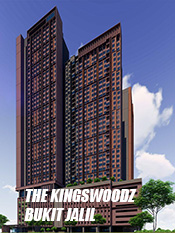



 Posts
Posts


